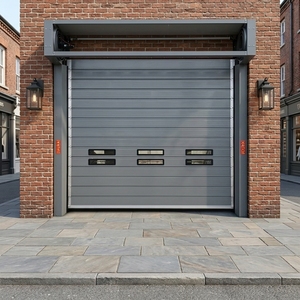
Heavy Duty Aluminum Spiral High Speed Door Windproof Anti-Theft Fast Door
- High-speed spiral aluminum track
- Windproof up to Extra High Wind Zones
- Retail & commercial security entry
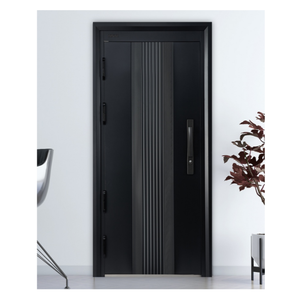
Luxury Modern Security Polymer Armored Swing Windproof Front Entrance Main Door
- Armored core polymer security panel
- Acoustic & thermal weather stripping
- Modern residential apartment main entry
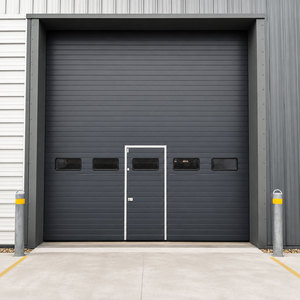
Large Size Heavy Duty Industrial Sectional Overhead Door For Factory Exterior
- Reinforced double-skin sandwich panels
- Motorized smart access drive system
- Factory & logistics hub access
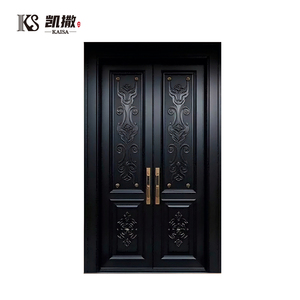
High Performance European Style Large Aluminium Entrance Door For Villa & Courtyard
- Waterproof, fireproof & thermal resistance
- Heavy-duty European profile joinery
- Luxury courtyard & coastal villa entry
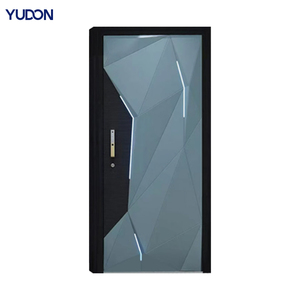
YUDON Series Large Format Modern Matte Blue Aluminium Pivot Entrance Door
- Concealed heavy-load pivot hinge
- Over-sized custom architectural panel
- Architectural facade grand statement
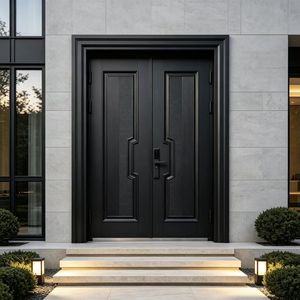
Big Size Cast Aluminum Alloy Heavy Duty Anti-Theft Pivot Door for Luxury Villa & Hotel
- Solid cast aluminum explosion-proof panel
- Multi-point automatic locking system
- 5-Star hotel & estate main gate
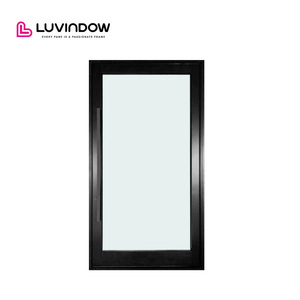
Thermal Insulation Wide Access Aluminum Pivot Entry Doors for Luxury Builders
- Polyamide thermal break insulation strip
- Wide-access barrier-free threshold
- High R-value residential project spec

FCV4905 AI Smart Lock Linux RFID 3D Face Recognition Door Access Control System
- Linux-based high security AI processing
- 3D infrared face recognition & RFID card
- Multi-apartment & commercial integration
Architectural Entrance Door Procurement & Technical Standards in New Zealand
An authoritative guide for Kiwi architects, developers, building contractors, and joinery importers navigating the 2026 fenestration landscape.
The New Zealand architectural fenestration sector is experiencing a transformative shift. Driven by stringent thermal envelope mandates under the updated New Zealand Building Code (NZBC Clause H1 5th Edition), combined with a rising demand for grand-scale residential entrances, procurement specifications for large entrance doors have become increasingly technical. Modern Kiwi homes, commercial precincts, and multi-residential developments in Auckland, Wellington, Christchurch, and Queenstown require entrance doors that achieve flawless architectural aesthetics without compromising structural integrity under extreme atmospheric conditions.
Core Industry Focus: In New Zealand's diverse climate zones—ranging from sub-tropical coastal salt-mist environments in Northland to sub-zero alpine alpine wind corridors in Central Otago—entrance doors must satisfy structural wind pressures under NZS 4211:2008 while delivering low thermal transmittance (U-values below 1.5 W/m²K).
Key Architectural Trends in New Zealand Entrance Doors (2026 Horizon)
1. Oversized Pivot Door Engineering
Standard 2.1-meter hinge doors are rapidly being replaced by grand statement pivot entrances in high-end residential builds across New Zealand. Modern architectural drawings frequently call for panel widths exceeding 1,500mm and heights upwards of 3,000mm to 3,500mm. Achieving smooth operation for panels weighing between 180kg and 350kg necessitates precision CNC-machined heavy-duty floor pivot box systems with hydraulic self-closing and hold-open dampers.
2. Advanced Thermal Break Aluminum Profiles
With the enforcement of higher R-value standards across Climate Zones 1 through 6, traditional solid aluminum door sections lead to severe thermal bridging, interior condensation, and energy leakage. Leading international exporters supply multi-chambered thermal break aluminum profiles featuring 24mm to 34mm polyamide (PA66GF25) insulation strips, effectively decoupling the exterior aluminum shell from the interior room profile.
3. Seamless Indoor-Outdoor Transition (Level Sills)
The quintessentially Kiwi lifestyle demands an uninterrupted connection between indoor living spaces and outdoor decks or courtyards. Achieving flush threshold transitions requires integrated E2/AS1 compliant sub-sill drainage channels, micro-mesh debris filters, and dual-layered weather seals that prevent water ingress during severe wind-driven rainstorms.
4. Smart AI Access & Biometric Integration
Security expectations for high-density apartments and luxury estates have evolved beyond traditional mechanical keys. Integrated access control systems—such as Linux-driven 3D structured-light face recognition locks (e.g., FCV4905 series), RFID proximity sensors, and encrypted mobile application keys—are now routinely embedded directly into the door sash frame during factory assembly.
Evaluating the Top 10 Large Entrance Door Factories & Exporters Serving New Zealand
When specifying entrance doors for New Zealand projects, buyers must evaluate manufacturers based on factory capacity, customization flexibility, structural wind load testing, raw material certification, and international export logistics. Below is the technical breakdown of the top 10 factories and direct-exporters serving the New Zealand market in 2026.
#1 Primor Metal Door Co., Ltd. (International OEM/ODM Exporter)
Global Direct Exporter to NZOverview & Strength: Primor Metal Door Co., Ltd. stands out as a top-tier international custom manufacturer specializing in architectural thermal break aluminum doors, oversized pivot entry systems, and high-security entrance portals. Built around custom CAD shop drawing sign-offs rather than restrictive catalog sizes, Primor delivers tailored solutions directly to New Zealand architects, builders, and importers.
Why Selected for NZ Projects: Primor’s engineering team reviews structural wind load requirements (up to Extra High Wind Zones) and applies high-grade marine anodizing or Qualicoat Class 2 powder coatings to combat coastal salt spray. Every shipment is organized with opening-specific labeling and fully compliant export documentation for fast clearance at Auckland, Tauranga, and Lyttelton ports.
#2 APL Window Solutions (New Zealand)
Domestic NZ Fabricator NetworkOverview: As New Zealand’s largest local fenestration profile supplier, APL manufactures the Altherm, First, and Vantage joinery ranges. They offer locally extruded aluminum profiles engineered specifically for traditional Kiwi housing stock.
#3 Metro Performance Glass (New Zealand)
Specialized Glass & Entry JoineryOverview: Operating across New Zealand, Metro Glass specializes in high-performance Low-E double and triple glazed insulated glass units (IGUs) integrated into large glazed entrance doors and curtain wall systems.
#4 Starke Aluminium Joinery (New Zealand)
High-End Architectural ManufacturerOverview: Starke produces high-specification aluminum joinery systems targeted at modern architectural homes. Their entrance systems emphasize clean lines, dark matte finishes, and thermal performance.
#5 ThermaTech Entrance Systems (International Exporter)
Global Thermal Entry SpecialistOverview: Specialized in ultra-insulated solid core aluminum front doors, ThermaTech exports high-density polyurethane core entrance doors engineered for severe cold climates.
#6 Parkside Aluminium (New Zealand)
Commercial Joinery Exporter & SupplierOverview: Parkside focuses on heavy commercial entrance doors, shopfront automatic sliding entries, and high-traffic retail aluminum portals designed for longevity under continuous public usage.
#7 Forman Building Systems (New Zealand)
Interior & Exterior Door SolutionsOverview: Forman distributes complete architectural envelope solutions across New Zealand, specializing in fire-rated commercial entry doors, acoustic entrance portals, and industrial access systems.
#8 Masterwoods Joinery & Aluminum (New Zealand)
Composite Timber-Aluminum ManufacturerOverview: Masterwoods offers composite entrance doors that combine exterior-grade aluminum weather shells with natural timber interior linings, catering to high-end rustic and alpine designs.
#9 Nexus Architectural Doors (Pacific Rim Exporter)
Industrial Security Door ExporterOverview: Nexus manufactures high-security steel and heavy-gauge aluminum entrance doors equipped with multi-point electro-mechanical locking systems for logistics hubs and commercial warehouses.
#10 Pacific Rim Door Systems (Overseas Exporter)
Cost-Effective B2B Volume SupplierOverview: Pacific Rim Door Systems supplies standardized aluminum entry door packages to commercial contractors and volume residential developers seeking cost-efficient exterior doors.
Technical Comparison Matrix: Key Specification Benchmarks
To assist procurement officers and structural engineers in comparing door specifications, the table below summarizes critical performance metrics across different large entrance door categories:
| Door System Category | Typical Max Size (W x H) | Thermal U-Value Range | Wind Load Resistance | Recommended NZ Application |
|---|---|---|---|---|
| Large Aluminum Pivot Door | 2000mm x 3500mm | 1.3 – 1.7 W/m²K | Up to 2.5 kPa (Extra High) | Auckland & Coastal Luxury Villas |
| Armored Polymer Swing Door | 1200mm x 2400mm | 1.0 – 1.4 W/m²K | Up to 2.0 kPa (High Wind) | Apartment Complexes & Urban Infill |
| High-Speed Spiral Door | 6000mm x 5000mm | 2.2 – 2.8 W/m²K | Up to 2.2 kPa (Commercial) | Retail Warehouses & Commercial Logistics |
| Industrial Sectional Overhead | 8000mm x 6000mm | 1.5 – 2.0 W/m²K | Up to 1.8 kPa (Industrial) | Factory Exterior & Loading Bays |
| European Thermal Break Villa Door | 1600mm x 2800mm | 0.9 – 1.3 W/m²K | Up to 2.5 kPa (Extra High) | Queenstown Alpine & Coastal Estates |
Localized Application Scenarios Across New Zealand
1. Auckland Coastal Villas
Environmental Challenge: Severe marine salt-spray exposure and intense wind-driven rain from the Hauraki Gulf.
Engineering Spec: Heavy-duty aluminum pivot doors featuring 25-micron anodized aluminum surfaces, 316-grade stainless steel concealed pivot box, dual EPDM rubber compression gaskets, and double Low-E toughened safety glass.
2. Queenstown Alpine Estates
Environmental Challenge: Sub-zero winter temperatures, severe thermal cycling, and heavy snow loads.
Engineering Spec: Multi-chamber thermal break aluminum entry doors with 34mm polyamide insulation bars, argon-filled triple glazing with thermal warm-edge spacers, achieving a total U-value < 1.2 W/m²K to eliminate interior frost formation.
3. Wellington High-Wind Corridors
Environmental Challenge: Extreme gusting winds exceeding 2.5 kPa pressure loads in exposed hillside suburbs.
Engineering Spec: High-performance European-style aluminum entrance doors reinforced with internal steel mullions, heavy-duty anti-lift lock hardware, and NZS 4211 certified structural perimeter fixing brackets.
Why Specified Builders Partner Direct with Primor Metal Door Co., Ltd.
For project managers, architects, and joinery importers looking beyond off-the-shelf local catalogs, partnering directly with an international specialized OEM manufacturer like Primor Metal Door Co., Ltd. offers significant strategic advantages:
- Full Customization from Architectural Drawings: Every opening is custom engineered. Whether your project calls for an oversized matte-blue pivot entrance, cast aluminum alloy security gates, or AI-driven multi-apartment access control doors, Primor produces precise shop drawings for approval prior to raw profile cutting.
- Direct Factory Pricing with Premium Components: Eliminate multi-tiered distributor markups while securing high-spec hardware, such as German-engineered multi-point locks, Italian concealed pivot hinges, and top-tier PA66GF25 thermal strips.
- Strict QC & Export-Grade Logistics: Units are pre-assembled in the factory to verify mechanical alignment, lock tolerances, and weatherstrip seals. Finished assemblies are protected with protective film, foam corner guards, and sealed in fumigated plywood box packaging designed to endure ocean transport.
New Zealand Buyer & Importer FAQ
Essential technical and procurement insights for sourcing large entrance doors for New Zealand construction projects.
How do imported aluminum entrance doors comply with NZBC Clause H1?
Imported doors comply by incorporating continuous polyamide (PA66) thermal break profiles paired with Low-E double or triple glazing. Factory thermal calculations (PS1 support documentation) are provided based on ISO 10077 standards to demonstrate compliance with New Zealand R-value requirements.
What wind pressure rating is required for coastal homes in New Zealand?
Under NZS 3604 and NZS 4211, coastal locations in New Zealand frequently fall under High, Very High, or Extra High (up to 2.5 kPa) wind zones. Entrance doors for these zones must feature heavy-wall aluminum extrusions, multi-point locking mechanisms, and continuous perimeter EPDM seals.
Can custom oversized pivot doors be manufactured to exact drawing dimensions?
Yes. Factory-direct exporters like Primor build every door to your specific rough opening dimensions based on CAD drawings. Custom heights exceeding 3,500mm and widths over 2,000mm can be custom engineered with heavy-duty hydraulic floor pivots.
What surface coating is recommended to prevent coastal corrosion in NZ?
For coastal environments (within 500m of the sea), we specify high-grade powder coatings compliant with Qualicoat Class 2 / AAMA 2605 specifications or 25-micron heavy anodizing to withstand C5-M marine atmospheric corrosion.
How are smart AI locks integrated into entrance doors during export assembly?
Smart access control hardware, such as the FCV4905 3D face recognition Linux lock, is embedded into the aluminum sash during factory CNC machining. Pre-wired internal conduits allow clean plug-and-play power connection on site.
What is the typical production and delivery timeline to New Zealand ports?
Custom shop drawing sign-off takes 3-5 days. Factory fabrication typically requires 25 to 30 days. Ocean sea freight from main export ports to Auckland, Tauranga, or Lyttelton takes approximately 14 to 20 days.
Ready to Specify Large Entrance Doors for Your NZ Project?
Send us your architectural drawings, window schedules, or project brief. Our senior fenestration engineers will provide technical shop drawings, thermal performance specs, and a direct factory quotation.