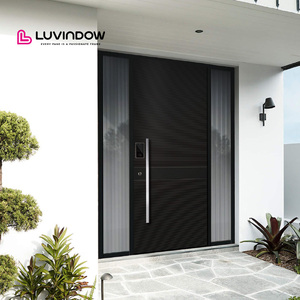
Factory Direct Portfolio
CE Certified Security Door Models for the Ethiopian Market
Explore our heavy-duty extruded aluminum entry systems, engineered with thermal break profiles, anti-pry locking systems, and custom architectural finishes.
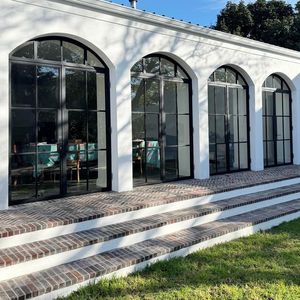
High-End Customized Modern Entrance Swing Door High Load-Bearing Wind-Resistant Anti-Theft Security System for Mall Entry
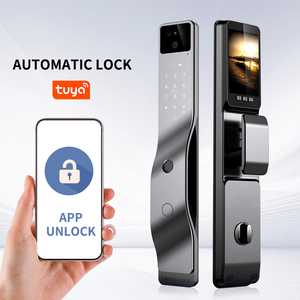
Sinovo Apartment Home Room Digital Password Keyless Entry Tuya APP Control Fingerprint Face Recognition Smart Door Lock
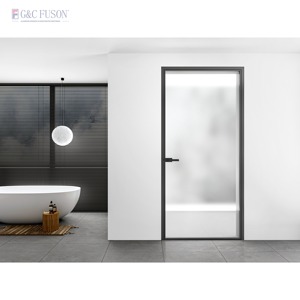
Fuson Soundproof Customized Casement Aluminium Alloy Glass Door Exterior Security Entrance Steel Main Doors
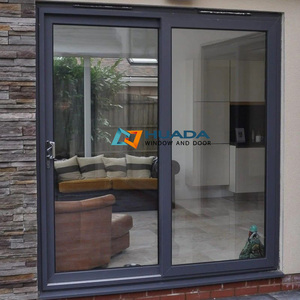
High-End Waterproof Entry Front Door Hurricane Impact Sliding Glass Windows and Doors Energy Efficient Lifting and Sliding Door
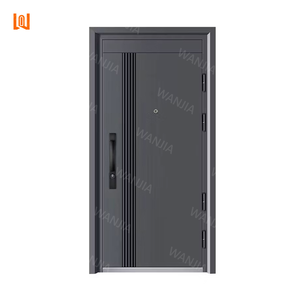
New Design Wholesale Exterior Front Entry Door House Entry Security Door Metal Main Aluminum Door
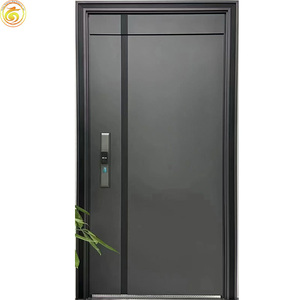
Custom Minimalist Design Stainless Steel Villa Main Entrance Luxury Front Entry Security Door
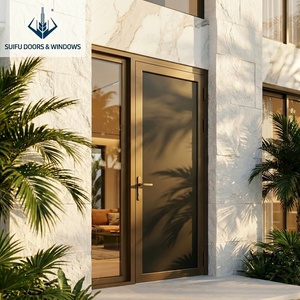
French Style Aluminum Alloy Swing Front Entry Door AS2047 Double Glazed Hurricane Proof Entrance Door
Industry Whitepaper
Navigating Architectural Door Specifications in Ethiopia
An in-depth analysis of why high-altitude microclimates, rapid real estate development, and security requirements are driving the transition from traditional steel to CE-certified aluminum security systems across East Africa.
The Microclimate Challenge of the Ethiopian Highlands
Ethiopia’s major urban centers—most notably Addis Ababa (located at an elevation of approximately 2,350 meters above sea level), Hawassa, Adama, and Mekelle—present distinct environmental challenges to building envelopes. High-altitude environments experience intense UV solar radiation coupled with pronounced diurnal temperature variations. Traditional wooden entrance doors frequently warp, check, and split under fluctuating atmospheric humidity between the wet Kiremt season and dry Bega periods.
Conversely, conventional mild steel security doors, while robust initially, are highly susceptible to localized rust when surface powder coatings degrade under high solar irradiance. Furthermore, steel’s high thermal conductivity converts main entryways into thermal bridges, radiating excessive heat into interior foyers during peak daylight hours and causing thermal energy loss during chilly highland nights.
The Shift Toward CE Certified Aluminum Systems
To overcome these material limitations, leading Ethiopian real estate developers, contractors, and private villa owners in diplomatic districts such as Bole, Old Airport, Kazanchis, and CMC are increasingly specifying CE certified aluminum security doors. Fabricated from precision-extruded 6063-T5 or 6063-T6 architectural grade aluminum alloys, these door assemblies provide an unyielding structural framework resistant to atmospheric oxidation, warping, and UV degradation.
By integrating European standard (EN 14351-1) testing protocols, these doors satisfy rigorous criteria for air permeability, water tightness, structural wind load resistance, and forced-entry security (EN 1627 RC2 to RC3 ratings). This technical equilibrium between architectural elegance, high thermal performance, and uncompromising forced-entry defense positions engineered aluminum as the premier standard for modern Ethiopian building developments.
Technical Architecture
Core Features of CE Certified Aluminum Security Doors
Discover the precise engineering components that define European conformity, structural durability, and anti-theft excellence.
EN 1627 RC2 / RC3 Burglar Resistance
Equipped with internal hardened steel core pins, anti-drill cylinder shields, anti-pry hinge bolts, and multi-point locking hooks that withstand mechanical attacks using heavy leverage tools, crowbars, and drilling equipment.
PA66-GF25 Polyamide Thermal Break
Features 24mm to 34mm glass-fiber reinforced polyamide strips separating interior and exterior aluminum profiles. This interrupts thermal conduction, lowering entryway U-values down to 1.3 W/m²K for optimal interior thermal comfort.
Biometric & Smart Access Integration
Seamlessly integrates motorized multi-point locks with Tuya smart ecosystems, 3D face recognition, biometric fingerprint scanners, RFID keycards, and encrypted digital pinpads tailored for high-security residences.
Double / Triple Safety Glazing
Configured with heavy-duty tempered or laminated safety glass (e.g., 6mm Low-E + 12Ar + 6mm Laminated), offering high acoustic attenuation up to 42 dB while preventing glass shattering under violent physical impact.
Qualicoat Powder Coating & Anodizing
Surface treatment engineered for harsh environmental exposures. Qualicoat Class 2 fluorocarbon (PVDF) and anodized finishes prevent color fading, chalking, or peeling under intense UV exposure in elevated geographies.
Heavy-Duty Load-Bearing Hinges
Uses 3D-adjustable 304/316 stainless steel friction hinges or concealed heavy-duty pivot bearings capable of supporting sash door weights up to 400 kg with effortless opening dynamics.
Local Deployment
Application Scenarios Across Ethiopian Real Estate Sectors
Tailored structural configurations designed for specific project types in Addis Ababa and regional commercial hubs.
1. High-End Villa Residences
Primary Districts: Bole Sub-City, Old Airport, CMC, Megenagna, and Ayat residential estates.
Configuration: Oversized pivot main entry doors with decorative sidelights, integrated biometric entry, bullet-resistant glass inserts, and thermal break frames matching modern luxury architecture.
2. Commercial Towers & Shopping Malls
Primary Districts: Kazanchis financial hub, Kirkos, Bole Road (Africa Avenue), and Churchill Avenue.
Configuration: High-traffic heavy-duty swing doors equipped with overhead door closers, emergency panic exit hardware, automatic sensor interfaces, and EN 1627 RC3 security rating for retail storefronts.
3. Diplomatic & NGO Enclosures
Primary Districts: Embassies, UN Economic Commission for Africa (UNECA), African Union (AU) compounds, and Sarbet.
Configuration: Reinforced multi-lock steel-aluminum hybrid security entrances, high sound dampening glazing (Rw > 40 dB), strict access control keyways, and blast-resistant frame profiles.
Strategic Insights
Ethiopian Security Door Market Trends (2025–2030)
Understanding the key architectural, economic, and technological forces shaping door specification across East Africa.
1. Accelerating Real Estate & Infrastructure Investment
Ethiopia’s ongoing urban renewal programs, luxury residential tower projects, and major infrastructure initiatives under the Addis Ababa Master Plan are generating strong demand for high-grade building materials. Developers are increasingly moving away from low-quality local fabrications in favor of factory-direct imported systems that carry international CE certifications to elevate project valuation.
2. Rapid Adoption of Smart Keyless Home Security
As smartphone penetration expands and high-speed fiber networks become standard in modern Ethiopian developments, homeowners and property managers are seeking integrated smart home ecosystems. Security doors pre-wired for Tuya, Zigbee, or standalone biometric authentication are fast replacing traditional mechanical keyway locksets.
3. Focus on Thermal Efficiency & Noise Abatement
Rapid urban growth along major arterial roads like Ring Road and Bole Road has elevated noise pollution concerns. Specifiers now demand double and triple-glazed acoustic aluminum systems. Concurrently, rising energy costs make thermal break insulation essential for reducing HVAC loads in air-conditioned commercial spaces.
4. Compliance with ESA & International Standards
The Ethiopian Standards Agency (ESA) alongside international project consultants is implementing stricter quality verification for imported building components. CE-certified products backed by certified test reports streamline customs validation and satisfy mandatory structural safety audits for major commercial projects.
Material Comparison
CE Aluminum Security Doors vs. Legacy Materials
A comprehensive technical comparison evaluating structural, security, and environmental performance for project specifiers.
| Performance Metric | CE Certified Aluminum Security Door | Conventional Steel Door | Solid Teak / Hardwood Door |
|---|---|---|---|
| Burglar Resistance Rating | EN 1627 RC2 / RC3 (Multi-point steel locks) | Basic Single/Double Bolt (Vulnerable to prying) | Low to Medium (Vulnerable to physical force) |
| Corrosion & UV Resistance | Excellent: PVDF/Qualicoat powder finish (No rust/fading) | Poor: Susceptible to surface oxidation & paint peeling | Moderate: Requires frequent refinishing against sun check |
| Thermal Insulation (U-Value) | High Performance: 1.3 - 1.8 W/m²K (PA66 thermal break) | Very Poor: 3.5 - 5.8 W/m²K (Severe thermal bridging) | Moderate: 2.0 - 2.8 W/m²K (Varies with thickness) |
| Dimensional Stability | Zero Warping: High-tensile 6063-T6 aluminum extrusion | Expansion Risk: Thermal expansion causes frame binding | High Risk: Warps, swells & shrinks with humidity changes |
| Acoustic Isolation (Rw) | Up to 42 dB (Double-glazed insulated argon unit) | 22 - 28 dB (Hollow core echoes noise) | 28 - 32 dB (Solid wood absorbs mid-frequencies) |
| Weight & Hinge Longevity | Optimum strength-to-weight ratio; no frame sag | Heavy sash weight causes hinge drop and frame sag | Heavy; hinges require frequent adjustment |
| Maintenance Requirement | Near Zero: Occasional wipe down with water | High: Frequent anti-rust painting required | High: Annual varnishing & sealing required |
Why Partner With Us
Primor Metal Door Co., Ltd. Manufacturing Advantage
Direct factory manufacturing, custom engineering, and global B2B supply chain solutions designed for project buyers and importers in Ethiopia.
Custom Shop Drawing Approval
We do not restrict your projects to standard catalog sizes. Every aluminum security door is custom manufactured from your precise CAD architectural drawings and opening schedules. Our engineering team generates detailed shop drawings for review prior to cutting.
Advanced Thermal Break Technology
Our doors incorporate low-conductivity polyamide thermal break strips and multi-chambered profile geometries engineered to reduce energy transfer, minimize interior HVAC loads, and eliminate condensation buildup inside modern buildings.
Rigorous Factory Quality Control
Every unit undergoes multi-stage inspections, including structural deflection tests, hydrostatic seal validation, hardware operational cycle testing (>200,000 cycles), and surface finish thickness checks before export packaging.
Direct Logistics to Port of Djibouti
We manage export logistics for Ethiopian buyers, utilizing heavy-duty fumigated plywood crating, opening-by-opening unit labeling, moisture-sealed barrier wrap, and streamlined container loading for ocean transit to the Port of Djibouti.
Comprehensive System Warranties
Backed by extensive factory guarantees—10 years on aluminum structural extrusions, 5 years on powder-coated surface treatments, and 3 years on multi-point security hardware and glass units.
Global Showroom & Specifier Support
With international showrooms across major U.S. markets (Los Angeles, Bay Area, Houston, Dallas, Phoenix) and dedicated B2B technical reps, overseas buyers receive direct technical assistance from design through installation.
Buyer Knowledge Base
Frequently Asked Questions for Procurement in Ethiopia
Essential guidance on foreign exchange, shipping routes, custom drawing modifications, and local technical performance.
How do Ethiopian importers and developers arrange container shipping to Addis Ababa?
Orders are packed in export-ready, fully fumigated seaworthy plywood crates labeled by door opening tag numbers. Cargo is shipped via container vessels directly to the Port of Djibouti, the primary maritime gateway for Ethiopia. From Djibouti, shipments travel via the Addis Ababa–Djibouti railway or dry port trucking routes to Mojo Dry Port or Kality Customs Terminal for final clearance. Our logistics team provides all mandatory documentation, including Bills of Lading, Commercial Invoices, Packing Lists, Certificates of Origin, and CE Compliance Certificates to facilitate smooth customs processing.
Why is CE certification important for security doors specified in Ethiopian projects?
CE Certification (governed by European standard EN 14351-1) confirms that door assemblies have undergone standardized third-party testing for forced-entry resistance (EN 1627), wind load capacity, air infiltration, and water tightness. For Ethiopian developers, CE certification provides verified performance assurance, streamlines compliance verification with the Ethiopian Standards Agency (ESA), and helps secure approval from international architectural consultants and commercial insurers.
How do aluminum security doors perform under the high UV radiation and elevation of Addis Ababa?
Addis Ababa’s high altitude (~2,350m) exposes building envelopes to elevated UV indices. Unlike steel doors that suffer paint degradation or timber doors that dry and split, Primor aluminum security doors utilize Qualicoat Class 2 fluorocarbon (PVDF) or architectural anodized surface finishes. These treatments resist color fading, chalking, and thermal cracking under high solar radiation while maintaining high structural integrity.
Can smart biometric locks and keyless entry systems operate reliably with local electrical standards?
Yes. Our smart security lock systems (including Tuya app control, 3D facial recognition, fingerprint scanners, and digital keypads) are powered by high-capacity rechargeable lithium batteries or standard AA batteries operating independently of grid power. This ensures uninterrupted security access during local power fluctuations. Optional hardwired systems support 220V inputs with battery backup modules.
What is the typical manufacturing lead time for custom door orders destined for East Africa?
Once CAD shop drawings are approved and order details finalized, standard factory manufacturing takes approximately 25 to 35 days depending on project volume and custom finish specifications. Maritime transit from our export port to the Port of Djibouti typically requires 20 to 30 days, allowing overall project schedules to be planned effectively.
Can Primor manufacture security doors tailored to non-standard structural rough openings?
Yes. We specialize 100% in custom manufacturing. Whether your project requires extra-tall villa entrance doors (up to 4 meters in height), wide multi-leaf swing configurations, arched tops, or custom sidelight glass schedules, our engineering team manufactures every assembly to match your exact CAD construction drawings.