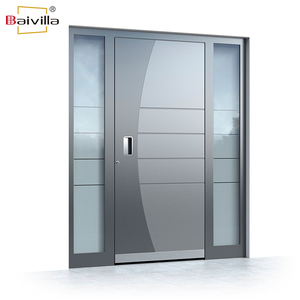
Architectural Catalog
Curated Luxury Villa Entrance Door Collections
Engineered to exact architectural drawings, featuring thermal insulation, bulletproof steel armors, and seamless biometric smart lock integration.
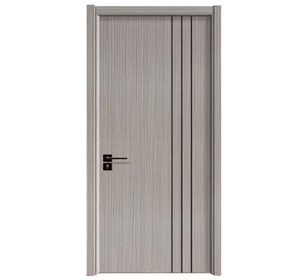
Fire Rated Residential Modern Security Main Entrance Wooden Puertas Demadera Door
Get Catalog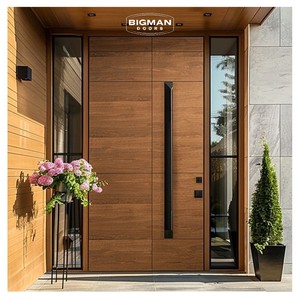
Premium Solid Walnut Front Entry Door with Double Sidelight Modern Design Waterproof for Hotel and Hall Use
Get Catalog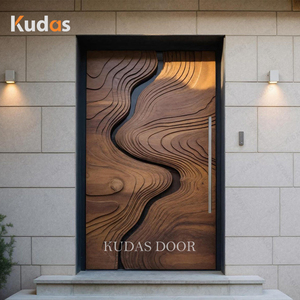
Modern Handcrafted Organic Wave Design Solid Wood Exterior Door for Contemporary Villa
Get Catalog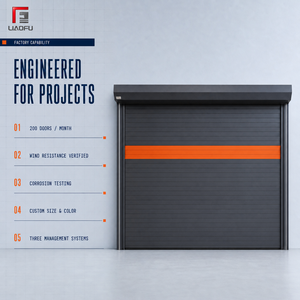
Residential Silent Roller Shutter Door Quiet Rolling Door for Villa Garage and Home Entrance
Get Catalog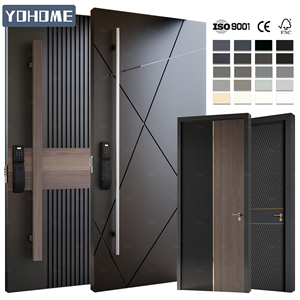
China Top Manufacturer Luxury Villa Armored Security Doors for House Exterior Main Door Design Front Doors for Home
Get Catalog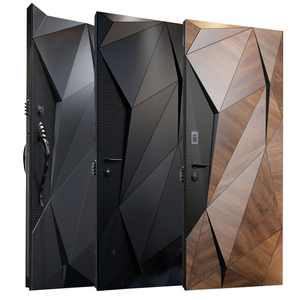
Custom Modern Carved Fire-Resistant & Bulletproof Security Door Advanced Anti-Theft Features Steel for Villas & Cars
Get Catalog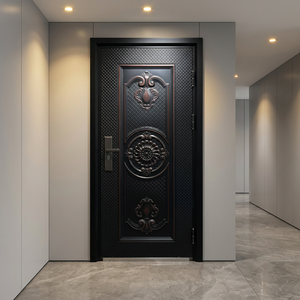
High End Pivot Armored Security Door Smart Digital Lock Anti Drill Anti Pry Modern Villa Exterior Main Entrance Door
Get Catalog
Industry Whitepaper & Strategic Sourcing Guide
Executive Analysis: Why Global Architectural Projects Specify China Villa Entrance Doors
In modern high-end residential real estate, the exterior entrance door serves as both the visual centerpiece of architectural prestige and the primary structural barrier against forced entry, fire hazards, and environmental thermal loss. Over the past decade, Chinese manufacturing capabilities in architectural Fenestration and Door Engineering have undergone a dramatic technological evolution. Leading manufacturers, such as Primor Metal Door Co., Ltd., have transitioned from traditional high-volume production to custom, high-precision engineering of complex armored, pivot, and thermal break entrance systems.
For international buyers—including luxury villa developers, architectural firms, general contractors, and regional importers—sourcing entrance doors directly from premier Chinese suppliers offers unmatched structural customization, cost-to-performance efficiency, and seamless compliance with international building codes (such as European EN 1627 RC2–RC4 burglary standards and North American NFRC thermal metrics).
Key Strategic Takeaway for B2B Procurement Officers: Sourcing villa entrance systems is no longer limited to purchasing standard catalog sizes. Today’s top-tier Chinese manufacturers operate on an engineering-first paradigm, creating complete shop drawings, verifying wind loads, and integrating thermal break profile breaks before any raw metal or solid timber is cut.
Armored Security Cores
Multi-layered internal steel frameworks featuring anti-drill manganese plates, anti-pry hinge bolts, and multi-point 3-way deadbolt locks engineered to withstand physical intrusion.
Thermal Break Insulation
Extruded T6063-T6 aluminum profiles linked with Polyamide (PA66-GF25) thermal barrier strips prevent cold-bridge heat transfer and minimize interior HVAC load.
Smart IoT Biometrics
Integrated 3D facial recognition, 500 DPI optical fingerprint sensors, encrypted RFID keycards, and remote Tuya/Zigbee smart home connectivity built directly into the lock stile.
Structural Engineering Benchmarks: Material & Performance Standard Matrix
When selecting a villa entrance door manufacturer, project specifiers must evaluate material grades, structural ratings, and safety certifications. The table below details the engineering baseline maintained by Primor Metal Door Co., Ltd. across major product lines:
| Door System Typology | Core Structural Material | Burglary & Security Rating | Thermal & Acoustic Performance | Hardware & Locking Integration |
|---|---|---|---|---|
| Pivot Armored Security Door | Galvanized Steel Frame + T6 Aluminum Shell | EN 1627 RC3 / RC4 Anti-Pry Rating | U-value ≤ 1.2 W/m²K | Soundproof 42 dB | German Heavy-Duty Floor Spring + 3D Face ID Smart Lock |
| Custom Solid Walnut Entry Door | FSC-Certified Solid Walnut + Steel Reinforced Stiles | Grade 3 High-Impact Security Core | Thermal Conductivity 0.13 W/mK | EPDM Triple Seal | Multi-Point German Winkhaus Deadbolts + Sidelight Double Glazing |
| Modern Organic Carved Wood Door | Multi-Layer Solid Hardwood + Water-based PVDF Finish | Multi-Point Hook Locks (Anti-Drill Manganese Plate) | Weather-Resistant Sealant | Acoustic Attenuation 38 dB | Concealed Stainless Hinges + Custom Carved Flush Handle |
| Fire-Rated Security Entrance Door | Fire-Resistant Mineral Wool Core + Steel Armor Sheet | UL 10C / BS 476 (60 to 120 Min Fire Rating) | Intumescent Perimeter Smoke Seals | Auto-Closing Panic Bar / Heavy-Duty Fire Mortise Lock |
| Silent Roller Shutter Entrance Door | Extruded Double-Layer Aluminum with Polyurethane Foam | Anti-Lift Wind Lock Slats (Wind Load Class 4) | R-Value 4.5 Thermal Resistance | Silent Nylon Guides | Somfy Tubular Motor + Remote Encrypted Rolling Code |
Factory Direct Value
Why Global Projects Partner with Primor Metal Door Co., Ltd.
Combining advanced CNC manufacturing precision with dedicated international project support and physical U.S. showroom infrastructure.
01
Bespoke Shop Drawing Approval Workflow
Every single entrance door project undergoes rigorous technical review by our structural engineering team. We convert your CAD drawings or architectural schedules into detailed 3D shop drawings, confirming rough openings, thermal breaks, handings, and threshold details prior to manufacturing.
02
Direct Footprint & U.S. Showroom Network
Unlike virtual suppliers, Primor maintains full physical display showrooms in key U.S. markets—including Los Angeles (City of Industry), the Bay Area (Union City), Houston (Sugar Land), Dallas (Plano), and Phoenix (Mesa). Overseas clients can inspect tactile finish swatches, test pivot hardware, and verify door build quality firsthand.
03
Advanced Thermal Break Profile Technology
Our aluminum entrance door series incorporate imported Polyamide (PA66-GF25) thermal strips paired with argon-filled, Low-E double or triple insulated glass units (IGUs). This drastically reduces condensation in cold regions while reflecting solar radiant heat in tropical or desert environments.
04
Export-Ready Protective Crating & Logistics
To eliminate shipping damage, every door frame, glass sidelight, and leaf is individual wrapped in protective PE film, corner-guarded, and secured in fully enclosed, IPPC-certified wooden crates labeled according to your building grid schedule.
Future Sourcing Insights
2026–2030 Villa Entrance Door Procurement Trends
The global luxury architectural market is rapidly evolving. When specifying front doors for upcoming residential developments, project leaders must anticipate shifting homeowner expectations regarding sustainability, security technology, and spatial grandeur:
1. Architectural Grandeur: Oversized Heavy-Duty Pivot Systems
Traditional hinged entrance doors are increasingly giving way to grand architectural pivot doors. Modern high-end villas now frequently specify single-panel pivot doors exceeding 2.0 meters (6.5 feet) in width and 3.5 meters (11.5 feet) in height. Manufacturing these oversized openings requires high-load floor springs capable of smoothly carrying weights up to 800 kg while maintaining fingertip opening push force and auto-closing hydraulic damping.
2. Biometric Integration & Keyless Smart Ecosystems
Mechanical keys are rapidly becoming obsolete in luxury residential builds. Current procurement trends demand fully integrated electronic mortise locks featuring concealed 3D facial recognition cameras, biometric palm-vein scanners, and encrypted mobile app control. Top suppliers in China are embedding these smart locking channels directly into the door’s structural steel profile during factory assembly, ensuring sleek aesthetics without compromising burglar resistance.
3. High-Performance Thermal Breaks for Net-Zero Energy Buildings
As international energy codes enforce stringent Carbon Neutrality standards, non-thermal aluminum front doors are being phased out. Modern procurement specifications demand total U-values under 1.0 W/m²K. Achieving these numbers requires multi-cavity thermal break extrusions, aerogel-infused core insulation, and warm-edge glass spacers. Primor leads this trend by engineering thermal break entrance systems compatible with LEED and Passive House requirements.
4. Material Fusion: Armored Steel Cores with Natural Surface Timber
Architects love the warmth of natural teak, walnut, or oak timber, but security standards require the strength of cold-rolled steel. The emerging trend in China’s manufacturing hub is hybrid material fusion: constructing a rigid anti-pry steel armored core inside, clad externally with real solid hardwood veneers or anti-scratch ceramic paneling. This offers timeless curb appeal backed by bulletproof structural integrity.
B2B Buyer Knowledge Base
Frequently Asked Questions: Villa Entrance Door Sourcing
Answers to common technical, customization, and logistics inquiries from architects, builders, and regional importers.
Can Primor manufacture villa entrance doors to non-standard, custom sizes?
Yes, absolutely. 100% of our production is made-to-measure. Whether your project calls for standard rough openings or massive custom pivot dimensions, our engineering team builds doors strictly according to your architectural drawings and site specifications. Shop drawings are provided for sign-off before production begins.
What is the advantage of a thermal break aluminum entry door over a standard door?
A thermal break door incorporates an engineered low-conductivity Polyamide (PA66-GF25) strip between the inner and outer aluminum frames. This thermal barrier stops heat transfer through the metal frame, reducing condensation inside the home, cutting HVAC energy costs, and significantly improving thermal comfort in extreme climates.
What documents and details are required to get an accurate quotation?
To prepare an accurate technical proposal and price estimate, please provide: (1) Architectural drawings or door schedule with wall openings; (2) Preferred door material (Aluminum thermal break, Armored Steel, Solid Wood, or Hybrid); (3) Preferred glass specs and frame finish color; (4) Smart lock requirements; and (5) Project location for shipping and code evaluation.
How do you ensure door quality control and hardware durability before export shipping?
Every completed door unit undergoes 100% factory pre-assembly testing. Our Quality Control (QC) engineers test lock cylinder smooth operation, hinge load-bearing alignment, perimeter EPDM gasket sealing, and surface coating thickness. Test videos and high-definition inspection photos are sent to the client for final sign-off prior to crating.
Are smart digital locks compatible with international power standards and smart homes?
Yes. Our integrated smart locks utilize long-life lithium rechargeable battery packs or hardwired 12V-24V DC transformers. They feature emergency USB-C power override ports and support global wireless smart protocols, including Tuya Smart, Zigbee, Z-Wave, and standard Bluetooth/Wi-Fi modules.
Can I physically inspect Primor door samples in the United States before placing a container order?
Yes! We invite architects, general contractors, and project developers to visit our factory showroom locations in Los Angeles (City of Industry, CA), the Bay Area (Union City, CA), Houston (Sugar Land, TX), Dallas (Plano, TX), and Phoenix (Mesa, AZ) to inspect our material quality and mechanical hardware.