Featured Commercial & Residential Pivot Door Systems
Explore our factory-direct range of heavy-duty aluminum pivot doors, solid hardwood entryways, thermal break glass assemblies, and security doors engineered for international project specifications.
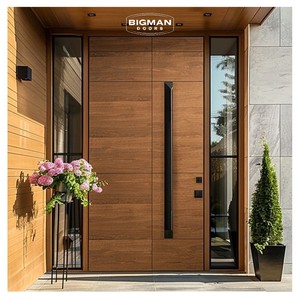
Premium Solid Walnut Front Entry Door with Double Sidelight Modern Design Waterproof for Hotel and Hall Use
Send an Inquiry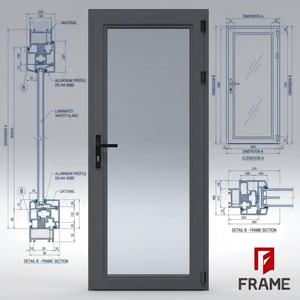
High Quality Aluminium Door Single Double Glass Indoor Single Casement Swing External Or Internal Doors
Send an Inquiry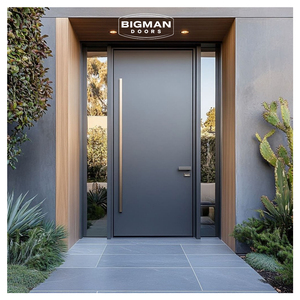
British Modern Minimalist Dark Grey Matte Security Pivot Door Heavy Metal Entry Door Anti-Theft Feature Exterior Villa Kitchen
Send an Inquiry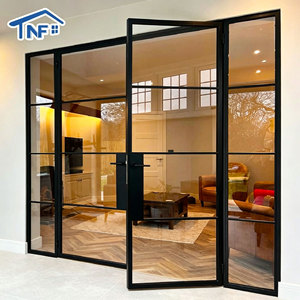
NFRC AS2047 Thermal Break Casement Door Custom Color And Size Double Glazed Swing French Doors Interior And Exterior
Send an Inquiry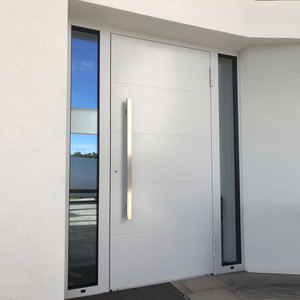
Villa Apartment Exterior Modern White Flat Panel Door Front Entry Doors Entrance Pivot Exterior Custom Doors for House
Send an Inquiry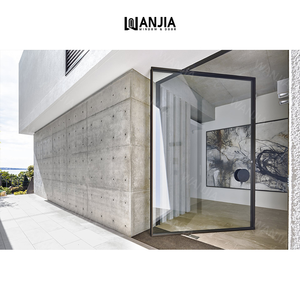
Customize Luxury Modern Main Exterior Front Pivot Door Aluminum Door Pivot Entry Aluminium Front Pivot Doors
Send an Inquiry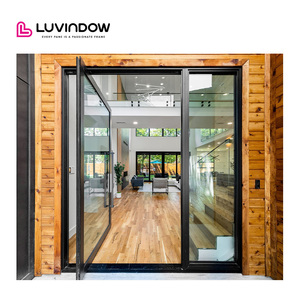
Modern Pivot Aluminum Door Glass Front Villa Entry US Made Thermal Break Energy Efficient
Send an Inquiry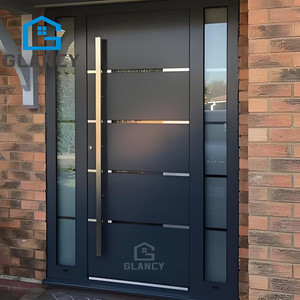
Exterior American Door House Other Front Stainless Pivot Main Entrance Front Entry Pivot Steel Security Doors
Send an InquiryWhy Global Architects & Developers Partner with Primor Metal Door Co., Ltd.
As a top-tier Chinese manufacturer of custom aluminum architectural systems, Primor Metal Door Co., Ltd. bridges high-capacity engineering manufacturing with direct localized support across international markets.
100% Made-to-Measure CAD/BIM
Every single pivot opening is engineered strictly to your architectural drawings and window schedules. Our engineering office generates shop drawings for your structural team's sign-off before raw extrusions are milled.
Thermal Break & Energy Compliance
Utilizing high-density PA66-GF25 polyamide insulation strips, low-emissivity double or triple glazed safety glass, and heavy weather-seal gaskets to easily meet NFRC, AS2047, and Title 24 energy performance codes.
Direct U.S. Showroom Presence
Reduce procurement risk by inspecting physical full-size displays, profile samples, and finish options at our U.S. showrooms located in Los Angeles, the Bay Area, Houston, Dallas, and Phoenix.
Export-Ready Heavy Steel Crating
Oversized pivot panels demand protective transport. We utilize custom fumigated steel frame wooden crates with corner safeguards and moisture-barrier vacuum packaging for overseas containerized freight.
Multi-Point Commercial Security
Equipped with concealed multi-point automatic drop-bolts, heavy-duty anti-burglary locking bars, and seamless integration options for smart biometric, RFID, or home-automation motorized actuators.
Extensive Surface Customization
Choose from AkzoNobel powder coatings, marine-grade anodizing for coastal locations, super durable PVDF architectural paints, or authentic interior wood-grain timber wrapping for seamless luxury aesthetic blending.
Engineering & Sourcing Large Architectural Pivot Doors from Chinese Manufacturers
In contemporary luxury residential and high-profile commercial architecture, entryways have evolved from mere functional barriers into bold structural statements. Among all entryway formats, large aluminum pivot doors represent the pinnacle of modern architectural expression. Unlike conventional side-hinged swinging doors that rely on edge frame hinges, a large pivot door rotates around a vertical axis offset from the frame edge. This mechanical shift redistributes the structural mass of immense door panels—frequently spanning heights from 3.0 to 6.0 meters and widths up to 2.5 meters—directly down to the floor slab rather than stressing the vertical jambs.
China has firmly established itself as the global manufacturing epicenter for precision-engineered architectural aluminum systems. Driven by advanced aluminum extrusion metallurgy, automated CNC milling lines, and tight supply-chain integration, top Chinese pivot door manufacturers provide global project teams with custom, code-compliant, and cost-effective alternatives to European boutique suppliers. However, procuring heavy-scale architectural pivot doors requires a clear understanding of load mechanics, thermal break engineering, structural wind-load performance, and international certification standards.
Key Engineering Insight: When specifying oversized pivot doors (panel weight exceeding 350 kg), the floor pivot mechanism must feature a heavy-duty hydraulic floor spring with double-acting dampening and 90-degree hold-open functions. The top pivot pin acts primarily as a lateral stabilization guide, absorbing wind shears without bearing vertical load stress.
1. Structural Mechanics and Hardware Integration of Oversized Pivot Doors
The operational longevity of a large pivot door is almost entirely determined by its pivot hardware system. Leading Chinese manufacturers like Primor Metal Door Co., Ltd. partner with top-tier hardware engineers (including German-engineered Dormakaba, Dutch FritsJurgens systems, or proprietary heavy-duty floor pivots) to ensure effortless manual operation regardless of panel mass.
- Offset Axis Placement: Pivot points are strategically offset from the frame jamb, typically at 1/3 of the door width or a minimum of 150mm to 300mm from the edge. This creates a balanced double-opening effect: as the larger leaf portion swings open outward, the shorter rear heel swings inward, creating a dramatic architectural passage while reducing the clearance depth required inside the foyer.
- Hydraulic Floor Springs & Weight Ratings: Premium pivot assemblies incorporate self-closing floor springs buried beneath the floor finish level or integrated directly into the bottom rail of the door panel. Rated for panel weights from 250kg up to 1000kg, these systems feature adjustable closing speeds, latching action control, and backcheck dampening to prevent high wind gusts from slamming the heavy panel.
- Perimeter Weather Sealing Innovations: Historically, perimeter air and water tightness was a challenge for pivot doors due to the offset rotating movement at the top and bottom. Modern technical manufacturing solves this through multi-stage EPDM drop-down automatic acoustic seals, magnetic perimeter gaskets, and interlocking brush seals that automatically deploy when the door panel settles into the fully closed frame position.
2. Thermal Break Technology and Energy Performance Standards
As international building codes enforce strict energy efficiency metrics (such as ASHRAE 90.1, California Title 24, Australian NCC, and European EN ISO 10077-1), non-thermal aluminum frames are no longer acceptable for exterior building envelopes. Top Chinese pivot door suppliers engineer thermal break aluminum profiles to eliminate thermal bridging between indoor and outdoor ambient temperatures.
The core mechanism of a thermal break pivot door is the insertion of a high-density, glass-fiber-reinforced polyamide strip (specifically PA66-GF25) between the interior and exterior aluminum profile extrusions. This polyamide barrier exhibits a thermal conductivity rate roughly 500 times lower than raw aluminum, dramatically reducing U-factors and mitigating interior condensation risks in cold climates or extreme desert heat.
| Frame Material / System Type | Typical U-Factor (W/m²·K) | Air Infiltration Rating | Max Panel Height | Structural Wind Resistance |
|---|---|---|---|---|
| Standard Aluminum (Non-Thermal) | 4.5 - 5.8 | Low (Grade 2) | 3.0 Meters | Up to 2500 Pa |
| Thermal Break Aluminum (PA66-GF25) | 1.4 - 2.2 | High (Grade 4 / Class 4) | 6.0 Meters | Up to 5000 Pa (ASTM E330) |
| Solid Hardwood with Steel Core | 1.8 - 2.5 | Moderate (Grade 3) | 3.5 Meters | Up to 3200 Pa |
| Stainless Steel Security Clad Pivot | 2.0 - 2.8 | High (Grade 4) | 4.5 Meters | Up to 6000 Pa (Severe Wind) |
3. Advanced Glass Specifications for Glass Pivot Doors
When large pivot doors incorporate full glass lites or vision panels, structural glass integrity becomes paramount. Chinese suppliers utilize automated tempering and laminating production lines capable of producing oversized Low-E glass units:
- Double/Triple Insulated Glass Units (IGU): Comprising 6mm or 8mm tempered glass panes separated by 12mm to 18mm argon gas-filled aluminum or warm-edge composite spacers.
- Low-Emissivity (Low-E) Coatings: Spectrally selective double or triple silver Low-E coatings reflect solar heat gain (low SHGC) while admitting high levels of natural visible light.
- Laminated Safety Glazing: For coastal hurricane zones or high-security commercial entries, outer glass lites are laminated with SentryGlas® (SG) or PVB interlayers to retain structural integrity even under heavy impact.
Future Sourcing & Technological Trends in Large Pivot Doors
As architectural demands lean toward expansive seamless openings and smart building integration, several key technological shifts are redefining Chinese pivot door manufacturing through 2030.
1. Motorized Automatic Pivot Actuation
Manual operation is being supplemented by hidden electromechanical drives built into the transom header or floor box. Activated by radar sensors, wall switches, or smart home automation networks (Z-Wave, KNX, Control4), heavy 500kg panels glide open silently with soft-start and anti-pinch safety sensors.
2. Biometric & Smart Security Integration
The standard mechanical keyway is rapidly being replaced by flush-mounted biometric 3D facial recognition scanners, fingerprint sensors concealed inside vertical pull handles, and smartphone NFC app access with encrypted event logging for luxury residential entries.
3. Ultra-Minimalist Sightlines
Advancements in structural adhesive glazing (using Dow Corning silicones) allow frame sightlines to shrink below 20mm around the perimeter. The glass panel itself acts as a structural diaphragm, producing a monolithic "all-glass wall" aesthetic with hidden pivot hardware.
4. Carbon Neutrality & EPD Compliance
Global developers increasingly require Environmental Product Declarations (EPD) and low-carbon recycled aluminum billets (certified under ASI standards). Leading Chinese manufacturers are powering factories with solar arrays to meet international LEED and BREEAM sustainability targets.
Step-by-Step Quality Control Protocol for Importing Pivot Doors from China
Direct sourcing from Chinese door manufacturers yields major cost efficiencies and customization flexibility, but requires structured project management to ensure flawless jobsite installation. Below is the standard B2B procurement protocol recommended by commercial facade engineers:
- Architectural Schedule & CAD Verification: Submit complete window/door schedules, opening wall sections, floor structure drawings (showing finished floor level to structural slab depth), and wind load requirements (KPa or MPH rating).
- Shop Drawing Approval Phase: The manufacturer generates detailed 2D CAD and 3D BIM models detailing extrusions, glass build-ups, hinge offset calculations, anchoring brackets, and threshold drainage paths. Manufacturing must only commence upon signed engineer approval.
- Hardware & Finish Swatch Sign-Off: Request physical powder coating aluminum chips or anodized swatches, along with sample handles and locksets. Verify hardware brand authenticity and cycle-test certifications (minimum 100,000 operation cycles).
- Factory Acceptance Testing (FAT) & Assembly Check: Prior to crating, full-scale pre-assembly of the pivot door panel inside the frame is performed at the factory. Inspect dimensions, corner joint tightness, drop-seal actuation, and lock alignment via live video or third-party inspection services (SGS, TUV, Bureau Veritas).
- Export Packaging Standards: Ensure contracts explicitly state steel-reinforced, fully enclosed plywood crating with internal foam pads, protective plastic film on profiles, and moisture-absorbing desiccant packs inside sealed wrapping.
Frequently Asked Questions for B2B Pivot Door Sourcing
Clear technical answers addressing critical considerations for architects, general contractors, developers, and door importers.
Can Primor manufacture aluminum windows and doors in custom sizes?
Yes. Every window and door is made to measure from your architectural drawings or window schedule. Our engineers review each opening, confirm sizes, operation, glazing and hardware, and issue shop drawings for your approval before production begins.
What is a thermal break aluminum window or pivot door?
A thermal break system uses a low-conductivity polyamide strip (PA66-GF25) to separate the interior and exterior aluminum profiles. This interrupts heat transfer through the frame, reduces condensation and, combined with insulated Low-E glass, significantly improves energy performance compared with non-thermal aluminum.
What information do you need to start a window and door project quote?
Send architectural drawings or a window and door schedule, the project location, preferred opening styles, frame color, glass requirements and any local code or wind-load requirements. With this information our team can prepare a technical proposal and shop drawings.
Do you supply overseas projects and regional importers?
Yes. We work with architects, builders, developers, dealers and importers worldwide. Orders are protected with heavy export packing and we coordinate all shipping documentation (Bill of Lading, Certificate of Origin, Form E, Packing List) to support delivery to your destination port or jobsite.
Can I see Primor windows and doors before ordering?
Product samples and full-size displays can be viewed at our U.S. showrooms in Los Angeles, the Bay Area, Houston, Dallas and Phoenix. Overseas buyers can also request profile corner samples and finish swatches delivered via express courier.
Which finishes and glass options are available for pivot doors?
Frames are available in powder-coated colors such as black, white, bronze and grey, plus wood-grain finishes and anodized options. Glazing options include double or triple insulated glass, Low-E coatings, tempered and laminated safety glass, and decorative or privacy glass.
What floor structural preparation is needed for heavy pivot doors?
Because the bottom pivot assembly bears 100% of the door panel weight, the floor anchor point must be secured into structural concrete slab or reinforced steel framing. Floor spring boxes require a recessed floor cutout (typically 40mm to 70mm depth) poured before final tile or hardwood floor installation.
How are large pivot doors protected against extreme wind loads?
Oversized panels feature internal vertical steel reinforcement channels embedded inside the aluminum profile stiles. Combined with multi-point locking rods that lock at the top, center, and bottom frame edges simultaneously, our pivot doors achieve wind pressure resistance ratings exceeding 5000 Pa (equivalent to Category 5 hurricane wind forces).
Ready to Spec High-Performance Pivot Doors for Your Project?
Connect directly with our engineering team at Primor Metal Door Co., Ltd. Submit your architectural plans or window schedule to receive custom shop drawings, technical compliance proposals, and factory-direct pricing within 24 hours.