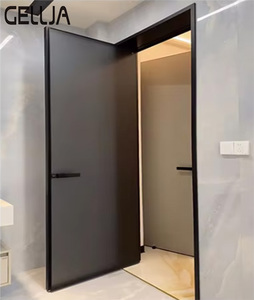
Factory Direct Showcase
Featured Hurricane Impact Entry Door Systems
Engineered for extreme structural wind loads, forced-entry protection, and energy efficiency. Fully customizable to project shop drawings.
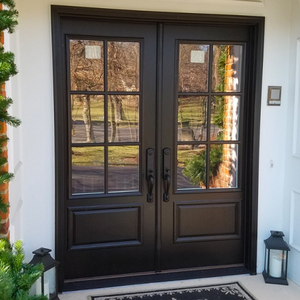
Custom Villa Thermal Break Main Entry Double Glass Door
PA66GF25 Strip
DP70 Rated
Villa Grade
Send an Inquiry
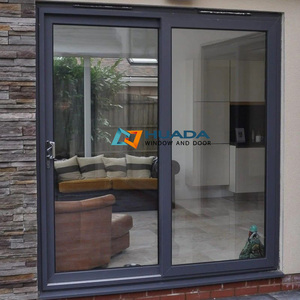
Hurricane Impact Lift & Sliding Entry Glass Door
SGP Interlayer
Waterproof Sill
HVHZ Approved
Send an Inquiry
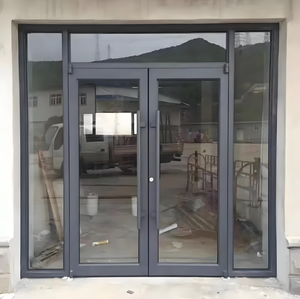
Commercial Impact-Resistant Smart Glass Storefront Door
PDLC Tint
ASTM E1996
Heavy Duty
Send an Inquiry
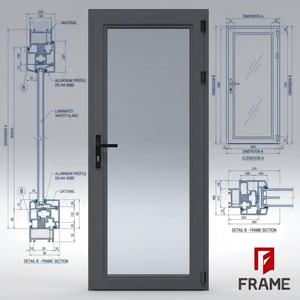
Heavy-Duty Exterior Aluminum Casement Swing Door
Multi-Point Lock
Low-E Glazing
Custom Sizes
Send an Inquiry
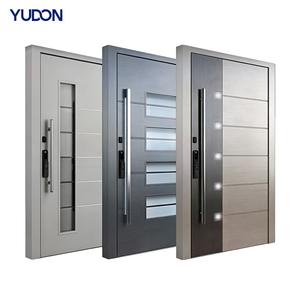
Luxury Architectural Armor Security Pivot Entry Door
Pivot Hinge
Bullet Resistant
Smart Access
Send an Inquiry
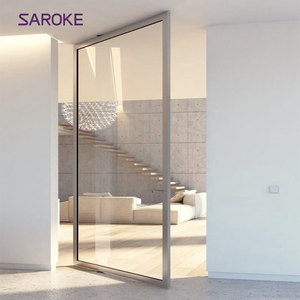
Oversized 2.5M Impact-Rated Electronic Smart Pivot Door
Oversized Glass
Electronic Lock
DP100 Testing
Send an Inquiry
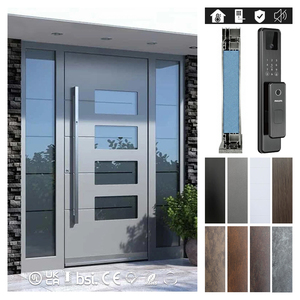
Matte Gray High-Strength Stainless Glass Security Door
Double Sidelites
AAMA 2605
Anti-Theft
Send an Inquiry
Materials Science & Structural Integrity
The Physics of Modern Hurricane Impact Entry Doors
In high-end architectural engineering, specifying an impact resistant glass entry door demands a thorough understanding of dynamic stress loads, interlayer mechanics, and thermal break frame design. Premium Chinese manufacturers have transitioned from low-cost commoditized assembly to cutting-edge metallurgical and glass-lamination engineering, producing entry systems certified to rigorous international codes including Florida’s High-Velocity Hurricane Zone (HVHZ) requirements and ASTM E1996 standards.
When a windstorm or coastal hurricane strikes a building envelope, entry doors experience two distinct catastrophic threats: high-velocity windborne debris impact (tested via missile impact protocols) followed by extreme pressure cycling (cycling between positive pressures pushing inward and negative suction pressures pulling outward). Standard tempered glass shatters instantly upon projectile impact, leading to envelope breach, internal pressurization, and catastrophic roof lifting.
"Information Gain Insight: Premium impact doors do not rely merely on thicker glass; they utilize engineered Ionoplast (SGP) interlayers clamped within high-tensile 6063-T6 aluminum extrusions equipped with dual polyamide thermal isolation barriers."
SGP (SentryGlas®) vs. PVB Interlayer Comparison
Understanding structural performance under extreme wind-load stress and impact penetration testing.
| Performance Metric | Standard PVB | Kuraray SGP® Ionoplast |
|---|---|---|
| Shear Modulus | 1.0 MPa | 50.0 MPa (50x Higher) |
| Post-Glass Breakage Load | Collapses under weight | Maintains structural barrier |
| Delamination Risk | Moderate in coastal humidity | Ultra-low moisture edge stability |
| HVHZ Compliance | Limited small missile | Large Missile Level D & E |
Engineering Specifications Matrix
Architectural Standards & Testing Certifications
Leading China factories enforce strict manufacturing parameters to guarantee compliance with North American and European structural codes.
| Testing Parameter | Test Standard / Standard Code | Primor Factory Minimum Standard | Architectural Application |
|---|---|---|---|
| Large Missile Impact | ASTM E1886 / ASTM E1996 (TAS 201) | 9 lb 2x4 lumber shot at 50 ft/sec (34 mph) | Coastal Entryways, HVHZ High-Rise Commercial |
| Cyclic Wind Load Pressure | TAS 203 / ASTM E1996 | 9,000 cycles at DP70 to DP100 (+/- 100 PSF) | High-Velocity Coastal Villas, Commercial Storefronts |
| Structural Uniform Load | TAS 202 / AAMA/WDMA/CSA 101/I.S.2/A440 | Passed at 150% maximum design load | High-Altitude Luxury Towers & Oceanfront Estates |
| Air Infiltration Resistance | ASTM E283 | < 0.10 cfm/ft² at 6.24 PSF pressure | Zero-Draft Thermal Efficiency Envelopes |
| Water Penetration Resistance | ASTM E331 / TAS 202 | No leakage at 15% of positive design pressure (12.0 PSF) | Subtropical Rainstorm & Typhoons Zones |
| Thermal Performance (U-Factor) | NFRC 100 / ISO 10077 | U-value 0.22 - 0.28 BTU/h·ft²·°F (Triple Low-E) | Passive House & Green Energy Architecture |
| Corrosion Resistance Coating | AAMA 2605 / Salt Spray ASTM B117 | Kynar 500® PVDF 70% Fluoropolymer (4,000 hrs) | Oceanfront Coastal Salt Air Environments |
Industry Intelligence & Market Forecast
Future Procurement Trends in Impact Entry Doors
Analysis of technological convergence, smart dynamic glazing, sustainability requirements, and shifting direct-to-factory supply chains.
1. Smart Dynamic Tint Glazing Integration
The market is rapidly shifting toward electrochromic PDLC (Polymer Dispersed Liquid Crystal) dynamic privacy glass embedded within structural SGP impact laminates. Procurement managers now demand seamless transition between clear and opaque states, linked via smart home microcontrollers, eliminating the need for blinds without sacrificing DP70 hurricane ratings.
2. Ultra-Slim Sightline Pivot Architecture
Architects are favoring oversized pivot entry doors exceeding 2.5 to 3.5 meters in height. The engineering challenge involves pairing heavy structural insulated glass with concealed hydraulic floor closers capable of supporting up to 500 kg sashes while maintaining a perimeter sightline of under 45mm. China factories lead in custom T6 aluminum extrusions engineered specifically for high-load pivots.
3. EPD & Carbon Neutrality Compliance
Global B2B procurement in North America and the EU requires Environmental Product Declarations (EPDs). Leading suppliers are utilizing hydroelectric-smelted low-carbon aluminum billets and 100% recyclable polyamide PA66GF25 thermal strips to meet LEED v4.1 certification requirements for net-zero commercial developments.
4. Direct-to-Factory OEM Engineering Workflow
Middlemen and standard stock distributors are being bypassed. Project owners now interact directly with factory engineering teams using cloud-based BIM/Revit integration. 3D Shop drawings, finite element stress analysis (FEA), and localized building code verifications are finalized prior to automated CNC aluminum profile cutting.
Enterprise E-E-A-T Excellence
Primor Metal Door Co., Ltd. Manufacturing Authority
Primor Metal Door Co., Ltd. represents the pinnacle of Chinese architectural entrance and window manufacturing. Unlike catalog trading companies, Primor operates a fully integrated manufacturing facility specializing in custom thermal break aluminum extrusions, structural glass assembly, and certified hurricane-impact entry doors.
Every door package is custom-engineered from structural drawings or window schedules. From multi-point locking systems engineered in Germany to SGP ionoplast laminated glass produced in ISO-certified cleanrooms, Primor delivers fully compliant, export-ready door systems to architects, developers, and importers worldwide.
Why Global Project Buyers Choose Primor
- Custom Engineering: Shop drawings approved before profile cutting.
- Thermal Break Barrier: Polyamide PA66GF25 reinforced extrusions.
- Export Wooden Crating: Labeled per opening for easy job-site unloading.
- Direct U.S. Presence: 5 regional showrooms across North America.
Visit Our Local U.S. Regional Showrooms for Live Product Demonstration
Los Angeles
Room 301, 347 Stimson Ave, City of Industry, CA 91744
Bay Area
33508 Central Ave, Union City, CA 94587
Houston
C07-A, 12510 W Airport Blvd, Sugar Land, TX 77478
Dallas
10th N Avenue, Plano, TX 75074
Phoenix
1116 S Dobson Rd, STE 127, Mesa, AZ 85202
Frequently Asked Questions
Impact Glass Entry Door Sourcing & Procurement FAQ
Technical answers to essential procurement queries regarding wind-load design, thermal performance, factory auditing, and custom engineering capabilities.
How do SGP interlayers compare with standard PVB in impact-resistant entry doors?
SGP (SentryGlas® Ionoplast) interlayers are 100 times stiffer and 5 times tougher than standard PVB (Polyvinyl Butyral). In hurricane-impact applications, if both plies of tempered glass shatter upon heavy debris impact, standard PVB sags and allows envelope penetration under cyclic wind loads. SGP maintains its structural rigidity, keeping the door sealed and preventing catastrophic wind pressurization of the building envelope. SGP also exhibits superior resistance to edge delamination in high-humidity coastal climates.
What design pressures (DP ratings) can China factories manufacture for custom entry doors?
Top China factories such as Primor engineer custom aluminum and stainless impact entry doors capable of achieving DP50, DP70, and up to DP100 ratings (+/- 100 PSF uniform structural load). These ratings correspond to surviving sustained wind velocities exceeding 170 mph (270 km/h) under ASTM E1996 and Florida High-Velocity Hurricane Zone (HVHZ) testing protocols.
Why is thermal break aluminum essential for metal glass entry doors?
Aluminum is a highly conductive metal. Without a thermal break, outdoor thermal energy (heat in summer, freezing air in winter) transfers directly into the interior building envelope, leading to excessive HVAC energy consumption and heavy condensation on internal frame surfaces. Primor utilizes structural polyamide PA66GF25 (25% glass fiber reinforced) strips to separate inner and outer extrusions, dramatically reducing overall door frame U-values.
What is the standard OEM production lead time for direct factory custom door orders?
Once architectural shop drawings, profile extrusions, glass specifications, and hardware finishes receive client approval, standard factory manufacturing takes between 25 to 35 calendar days. Ocean freight shipping to major U.S., European, or Middle Eastern ports typically requires an additional 18 to 30 days, depending on sea lane conditions and port logistics.
How are oversized glass pivot entry doors safely packed for long-distance container freight?
Overseas shipping requires specialized packaging engineering. Primor packs all oversized impact doors in fully enclosed, fumigated ISPM-15 compliant plywood crates. Door frames and glass sashes are wrapped in anti-scratch protective film, corner-guarded with EPE foam, and anchored with high-tensile steel banding inside heavy-duty crates equipped with forklift slots to prevent movement during container transit.
Can Primor supply custom doors according to project architectural shop drawings?
Yes. 100% of Primor’s production is made-to-measure. Buyers submit CAD elevation drawings, window schedules, or rough opening dimensions. Our engineering team generates detailed AutoDesk CAD and BIM shop drawings detailing structural mullions, threshold weatherproofing, glazing pocket dimensions, and anchoring details for sign-off prior to profile extrusion and glass cutting.
Which surface finishes provide maximum salt spray resistance in oceanfront projects?
For coastal oceanfront applications, Primor recommends 70% Kynar 500® / Hylar 5000® PVDF (Fluoropolymer) liquid coatings compliant with AAMA 2605 specifications. This finish withstands over 4,000 hours of continuous salt spray testing (ASTM B117) without chalking, color fading, or blistering. Anodized finishes (Class I, 18-micron minimum thickness) are also available for modern industrial aesthetics.
How can overseas buyers verify door quality prior to final factory dispatch?
Primor provides comprehensive factory Quality Control (QC) documentation for every order. This includes water penetration testing logs, structural mock-up assembly photos, ultrasonic glass thickness verifications, and coating thickness reports. Overseas buyers or third-party inspection agencies (SGS, TÜV, Intertek) are invited to perform live pre-shipment inspections at our facility.
Get a Factory Direct Quote
Ready to Specify Impact Resistant Glass Doors for Your Project?
Send your project window & door schedules or CAD drawings to Primor’s engineering team. Receive detailed technical proposals, FEA stress analysis, and factory-direct pricing within 24 hours.