High-Performance Impact & Security Front Doors
Explore elite-grade, custom-engineered entry door systems designed to resist extreme weather, high wind loads, and forced entry.
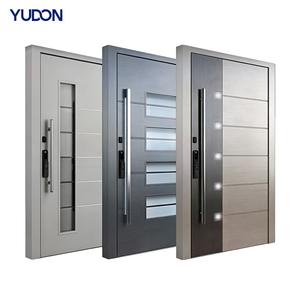
Luxury American Exterior Pivot Entrance Door Zinc Alloy Anti-Theft
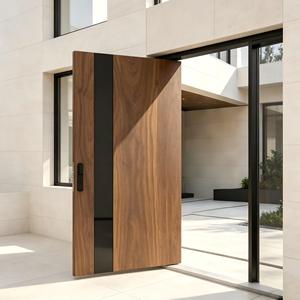
Oversized Walnut Wood Grain Aluminum Exterior Entry Door
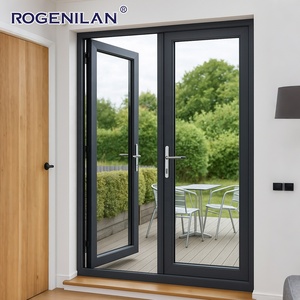
Customized Heavy-Duty Double Glass Fixed French Door System
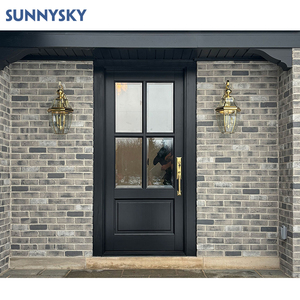
Modern American Design Architectural Front Entry Pivot Door
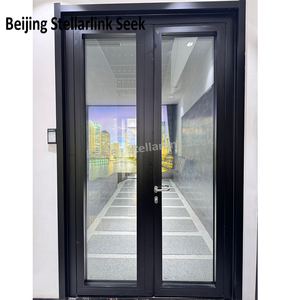
Weatherproof Triple Glazed Thermal Break Passive Aluminum Door
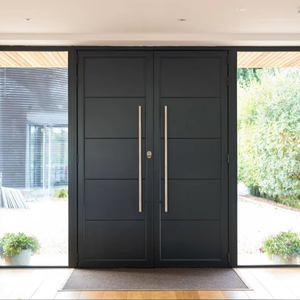
Main Entrance Double Aluminum Soundproof & Windproof Security Door
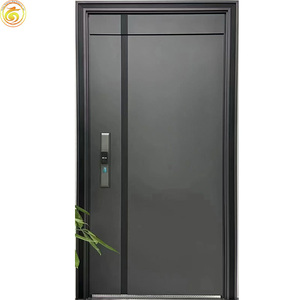
Custom Minimalist Stainless Steel Villa Luxury Security Entry Door
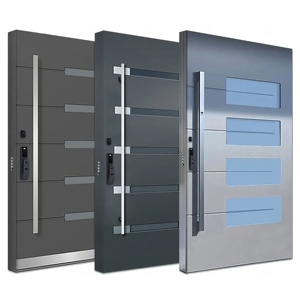
Armoured Bulletproof & Explosion-Proof Villa Exterior Main Door
Deciphering Hurricane-Resistant Entry Door Science
Understanding structural physics, missile impact resistance, air-water seal integrity, and thermal breaks for coastal architectural specifications.
The Mechanics of Severe Storm Resistance
Coastal and High-Velocity Hurricane Zones (HVHZ) expose exterior architectural envelope openings to dynamic multi-directional stress vectors. During severe weather events, front doors serve as the primary defensive barrier against structural compromise. If a front door fails due to windward positive air pressure or leeward negative suction pressure, atmospheric wind rushes inside the envelope, inflating roof trusses and causing catastrophic structural collapse.
Modern high-performance hurricane impact doors undergo rigorous laboratory evaluation under standards such as TAS 201 (Large Missile Impact Test), TAS 202 (Uniform Static Air Pressure Test), and TAS 203 (Cyclic Wind Pressure Loading). Engineered structural aluminum profiles combined with laminated safety glass absorb physical impact energy and maintain dynamic seal integrity during relentless pressure variations.
Key Architectural Insight: The Significance of DP Ratings
Design Pressure (DP) ratings quantify a door’s structural resistance against wind load. A DP60 to DP100 rating indicates that the assembly withstands cyclic wind loads up to 150-200 MPH without frame deformation, water penetration, or glass dislodgement.

SGP Interlayer Impact Glass
SentryGlas® (SGP) ionoplast interlayers offer 5x the tear strength and 100x the rigidity of standard PVB, preventing glass shards from collapsing inward even when fractured by flying debris under 50 ft/s missile speeds.
Polyamide Thermal Barriers
High-tensile PA66 GF25 polyamide strips break thermal bridging in heavy aluminum extrusions, preventing condensation while retaining full structural moment capacity against windload deflection (L/175 limits).
Multi-Point Lock Security
Top, bottom, and lateral stainless steel hook bolts lock the door leaf deeply into heavy-gauge frame keepers, neutralizing wind pressure bowing and providing military-grade anti-burglary defense.
Top 10 Global Hurricane Front Door Manufacturers (2026 Evaluation)
Comparative analysis of leading global architectural door manufacturers based on technical engineering, HVHZ certifications, customization depth, and export capability.
| Manufacturer | HQ / Base | Core Materials | HVHZ & DP Certification | Custom Shop Drawings | B2B Export Value |
|---|---|---|---|---|---|
| Primor Metal Door Co., Ltd. | China / USA Support | Thermal Break Aluminum (6063-T6), SGP Glass | Florida Building Code, DP60 - DP100+ compliant | 100% Custom / CAD-BIM Support | Highest (Factory Direct + Local US Showrooms) |
| WinDoor Inc. (PGT Innovations) | United States | Heavy Aluminum & Vinyl Systems | Miami-Dade HVHZ Certified, TAS 201/202/203 | Standard & Custom Sizes | High (North American Focus) |
| CGI Windows & Doors | United States | Extruded Aluminum Alloys | High DP Ratings, ASTM E1996 Large Missile | Limited Custom Formats | Moderate (Regional US Supply) |
| Rogenilan Door & Window Co. | China | Architectural Aluminum & Glass | ISO9001, Wind Pressure Tested | Custom B2B Project Sizing | High (Global Exporter) |
| Yudon Door Industry | China | Zinc Alloy, Stainless Steel, Armor Steel | Anti-Theft, Bulletproof & Windproof | Full Bespoke Design | High (Middle East, US, EU) |
| Sunnysky Windows & Doors | China | Modern Aluminum, Large Pivot Doors | CE, AS2047, High Wind Load Tested | Architectural Specs | High (Global Villa Projects) |
| Pella Commercial | United States | Aluminum-Clad Wood, Composite | Impact-Resistant Coastal Series | Modest Architectural Customization | Moderate (Domestic US Dominance) |
| Andersen Windows & Doors | United States | Fibrex®, Composite, Aluminum Clad | Stormwatch® Protection Certified | Standard Modular Configurations | Moderate (High Premium Cost) |
| Therma-Tru Doors | United States | Fiberglass & Steel Armor | Impact-Rated Fiberglass Collections | Fixed Modular Schedules | Moderate (Residential Track Homes) |
| YKK AP America | Japan / USA | Commercial Grade Aluminum | ProTek® HVHZ Curtain Wall & Door Systems | Commercial Storefront Specs | High (Commercial Building Focus) |
Future Trends in Coastal Entry Door Procurement
Key technological shifts shaping architectural specs for commercial projects, luxury villas, and multi-family developments.
1. Oversized Pivot Door Engineering with Concealed Floor Closers
Architectural demand is moving rapidly away from traditional small single-hinge doors toward grand-entry oversized pivot doors exceeding 3 meters in height and 1.8 meters in width. Achieving hurricane impact certification for large-span pivot doors requires heavy internal structural steel cores, concealed multi-point hydraulic latches, and engineered offset axis pivots capable of sustaining lateral forces up to 8,000 Pascals.
2. Thermal Break Passive Performance in Extreme Storm Zones
Historically, hurricane doors compromised thermal performance for physical strength. Today's global climate directives demand both zero air infiltration (< 0.1 cfm/ft²) and ultra-low U-factors (< 0.24 BTU/h·ft²·°F). Advanced thermal-break extrusions with structural polyamide struts allow tropical coastal resorts and cold Scandinavian coastal villas alike to meet net-zero energy codes without sacrificing storm resistance.
3. Biometric & Smart Security Integration Within Impact Armor
Modern commercial and residential procurement specifications require seamless integration of biometric fingerprint recognition, facial scanning, and encrypted smart-home access systems embedded directly within bulletproof and anti-theft armored door jambs.
Why Global Buyers Partner with Primor Metal Door Co., Ltd.
A direct factory manufacturer designed around custom architectural drawings, engineering rigor, and international export logistics.
Project-Based Shop Drawings
Every single opening is drawn and verified by our in-house engineering team. Production only begins after CAD/BIM shop drawings receive full sign-off from your architect or structural consultant.
5 U.S. Regional Showrooms
Experience physical full-size displays, sample profile cutaways, and local technical guidance in Los Angeles, the Bay Area, Houston, Dallas, and Phoenix to simplify project consultation.
Export-Ready Wooden Crating
All door assemblies are individually labeled per architectural window schedule, wrapped in protective film, and encased in heavy fumigated plywood crates for zero-damage global freight delivery.
Technical Procurement & Sourcing FAQ
Detailed technical answers for architects, contractors, developers, and door importers.
What structural testing standards determine a door's hurricane resistance rating?
Hurricane resistance for front entrance doors is primarily determined by standardized physical laboratory testing under ASTM E1886 and ASTM E1996 in North America, as well as Florida High-Velocity Hurricane Zone (HVHZ) protocols TAS 201, TAS 202, and TAS 203.
TAS 201 evaluates Large Missile Impact resistance by firing a 9-pound 2x4 wooden stud at 50 feet per second directly into the glass and frame. TAS 202 measures uniform static air pressure resistance for structural deflection limits (typically L/175), while TAS 203subjects the door to 9,000 cycles of positive and negative wind pressure loading to simulate prolonged severe hurricane force winds without structural failure or seal breaches.
Can Primor Metal Door Co., Ltd. manufacture aluminum doors to custom architectural drawings?
Yes. Every single door assembly engineered by Primor is made to measure directly from your architectural drawings or project window schedule. We do not restrict project specs to rigid off-the-shelf standard sizes.
Our engineering department reviews your rough openings, elevation plans, structural wind load targets, and preferred operation styles (pivot, swing, double french, or sliding). We then generate detailed CAD/BIM shop drawings including cross-sectional sill profiles, hardware installation points, and glass specifications for approval before cutting aluminum extrusions.
What is the difference between SGP and PVB impact glass interlayers for front doors?
PVB (Polyvinyl Butyral) is a standard flexible interlayer used in traditional laminated safety glass. While effective against basic impact, PVB glass panels tend to fall out of the frame if both glass panes break, as the interlayer becomes pliable under heavy cyclic wind load pressures.
SGP (SentryGlas® Ionoplast) is an advanced structural interlayer that is 5 times stronger and up to 100 times stiffer than standard PVB. If both glass lites fracture under flying debris, the SGP interlayer maintains structural rigidity, remaining upright in the door frame to withstand continued dynamic wind gusts exceeding 180 MPH.
How do thermal break aluminum profiles maintain energy efficiency in high wind zones?
Thermal break aluminum profile systems utilize reinforced polyamide (PA66 GF25) mechanical structural strips inserted between the interior and exterior aluminum profile extrusions. Because aluminum is a conductive metal, non-thermal frames transfer severe outdoor heat or sub-zero cold directly into the building interior, causing high HVAC power consumption and frame condensation.
Polyamide thermal breaks interrupt heat conduction while preserving structural shear resistance. When combined with insulated Low-E double or triple glazing with argon gas filling, thermal break impact doors achieve ultra-low U-factors while maintaining heavy DP rating capacity.
What documentation is supplied for international B2B customs clearance and import compliance?
As a seasoned global exporter, Primor supplies comprehensive export documentation for smooth import clearance at international ports. Supplied documentation package includes: Itemized Commercial Invoices, Detailed Packing Lists categorized by opening numbers, Certificates of Origin (CO), Factory Test Reports, CAD Shop Drawing Schedules, and ISPM 15 Heat-Treatment Compliance Certificates for wooden crating.
How can international buyers inspect product quality before placing full volume orders?
International clients can view physical full-size displays, operable pivot doors, thermal break profiles, and finish swatches at our U.S. Regional Showrooms located in Los Angeles, the Bay Area, Houston, Dallas, and Phoenix.
For overseas buyers outside the U.S., we supply profile corner samples, physical hardware mock-ups, and live video factory inspections during assembly and water-pressure testing procedures.