High-Performance Custom Entry & Front Door Systems
Engineered to exact architectural drawings with Miami-Dade HVHZ, NFRC thermal efficiency, and AS2047 international standard approvals.
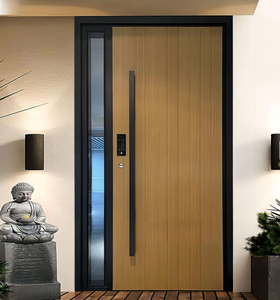
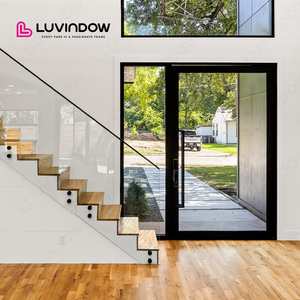
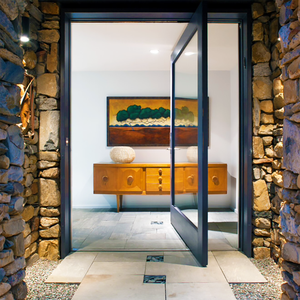
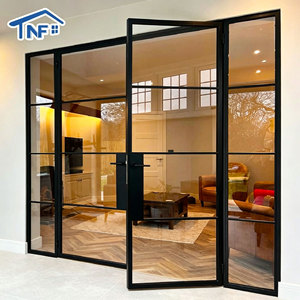
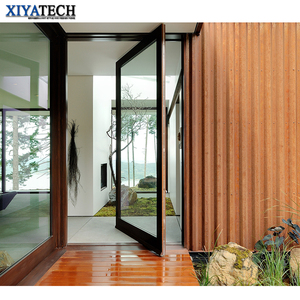
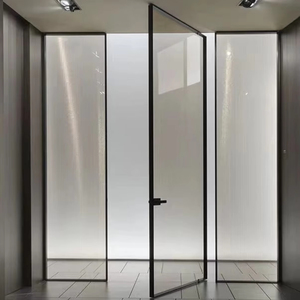
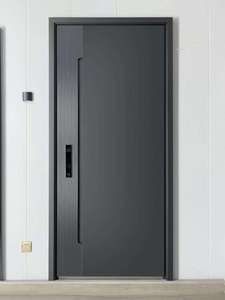
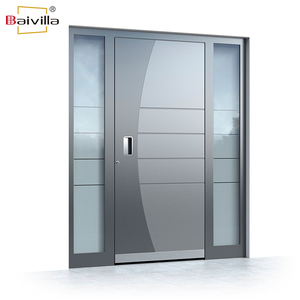
1. B2B Procurement White Paper: Strategic Selection of Contemporary Front Entry Doors
In luxury residential design, high-end hospitality, and modern commercial developments, the front entry door functions as both the primary architectural focal point and the critical envelope threshold governing thermal retention, physical security, and acoustic isolation. As global building codes enforce stricter energy metrics (such as U-Factor and SHGC standards enforced by NFRC) and heightened structural wind-load performance (notably Miami-Dade HVHZ compliance for hurricane zones), selecting an appropriate original equipment manufacturer (OEM) or original design manufacturer (ODM) is a decision that dictates overall project risk and longevity.
Modern front entrance door procurement has moved decisively away from standard catalog dimensions toward CAD/BIM-engineered, project-based manufacturing. Custom entry assemblies—ranging from massive modern aluminum pivot doors spanning up to 3 meters in height to ultra-slim steel profile French entrance doors—require engineered thermal break systems, multi-point motorized locking integrations, and certified safety glazing.
Key Takeaway for Architects & Importers: Specifying non-thermal aluminum or uncertified pivot hardware in high-wind or high-temperature differential regions leads to air infiltration, profile deflection, and severe thermal bridging. High-performance OEM production utilizes PA66 polyamide thermal break strips integrated into extruded 6063-T6 aluminum profiles to deliver structural rigidity alongside energy efficiency compliant with international standards.
Primor Metal Door Co., Ltd. leads the B2B sector by operating an agile OEM/ODM engineering framework. Every entry door system is engineered directly from architectural schedules, ensuring that rough opening parameters, threshold transitions, drainage hydraulics, and electronic access controls align seamlessly before manufacturing begins.
Technical Benchmarking Matrix: Material & Hardware Performance Comparison
Understanding the operational and physical boundaries of front entrance door systems is critical for commercial developers, contractors, and international importers:
| Performance Category | Thermal Break Aluminum Pivot Door | Heavy-Duty Steel Profile Entry Door | Standard Non-Thermal Aluminum |
|---|---|---|---|
| Structural Integrity & Max Height | Extreme (Up to 4000mm with heavy-duty offset pivot hardware) | High (Up to 3500mm slim profile frames) | Moderate (Limited to 2400mm due to profile flexing) |
| Thermal Insulation (U-Factor) | Superior (U-Factor ≤ 0.28 BTU/h·ft²·°F with Low-E IGU) | Moderate to High (Requires thermal barrier inserts) | Poor (High thermal conductivity & condensation risk) |
| Corrosion & Weather Resistance | Outstanding (Fluorocarbon/PVDF coating, anti-coastal decay) | Requires Galvanization & Specialized Primer Coatings | Good, but prone to hardware oxidation over time |
| Smart Lock & Security Integration | Integrated Electronic Mortise, Facial Recognition, Biometric | Surface Mounted or Custom Mechanical Multi-Point | Standard Mechanical Cylinder Locks |
| Code Certifications | Miami-Dade HVHZ, NFRC, AS2047, CE, ISO9001 | Fire-Rated Certifications, ISO9001 | Basic Residential Building Codes |
2. Future Sourcing & Architectural Trends in Contemporary Front Entry Doors
The global market for high-end residential and architectural front doors is experiencing rapid technical evolution driven by smart home automation, minimalist aesthetics, and climate-resilient building codes. B2B buyers must align their procurement pipelines with four primary trends over the next five years:
Oversized Pivot Mechanics
Architects are increasingly specifying single panel pivot doors exceeding 1.5m in width and 3m in height. Heavy-duty concealed floor pivots with adjustable closing speed and hold-open dampers are replacing standard butt hinges, creating a frictionless, grand entrance experience.
Biometric & Smart Access Control
Keyless access is transitioning from aftermarket additions to factory-integrated OEM solutions. Modern front entry doors feature concealed wiring channels inside thermal break frames to power electronic side-opening mechanisms, fingerprint scanners, keypad locks, and remote app connectivity.
Thermal Efficiency & Structural Certification
Strict energy codes demand insulated glass units (IGU) featuring Low-E coatings, argon gas filling, and warm-edge spacers combined with multi-chamber aluminum profile extrusions. North American projects increasingly mandate NFRC rating tags and Miami-Dade HVHZ impact ratings.
By sourcing directly from an OEM/ODM manufacturer like Primor Metal Door Co., Ltd., B2B importers can customize every structural variable: profile wall thickness (up to 3.0mm for extreme wind-load areas), glass specs (tempered, laminated impact, frosted, or tinted privacy glass), and specialized surface finishes (including Qualicoat Class 2 powder coating, anodized metallic shades, and hyper-realistic wood grain transfers).
3. Enterprise Advantages of Partnering with Primor Metal Door Co., Ltd.
Selecting an OEM/ODM door manufacturer requires evaluating supply chain reliability, technical support, quality management systems, and post-sale logistics. Primor Metal Door Co., Ltd. provides robust enterprise capabilities designed specifically for overseas B2B clients, architectural firms, real estate developers, and door importers:
- Drawing-First Engineering Process: Production never starts from estimated sizes. Our engineering team reviews your architectural DWG/BIM drawings, calculates wind load requirements, verifies threshold elevations, and generates comprehensive shop drawings for client sign-off prior to profile cutting.
- Direct U.S. Showroom Infrastructure: Overseas procurement can create communication gaps. Primor operates five physical U.S. showrooms located in major logistics hubs: Los Angeles (City of Industry, CA), Bay Area (Union City, CA), Houston (Sugar Land, TX), Dallas (Plano, TX), and Phoenix (Mesa, AZ). These locations provide physical product inspection, profile swatch verification, and local technical consultation.
- Comprehensive Product Portfolio Coordination: In addition to custom front entry pivot and hinge doors, Primor produces matched architectural packages including thermal break aluminum windows, sliding patio doors, folding glass walls, garage doors, pergolas, and four-season sunrooms—allowing unified finish and performance specs across an entire building envelope.
- Export-Grade Protective Packaging & Logistics: Every custom entry door assembly is individually tagged by opening code, sealed in moisture-barrier film, and enclosed in heavy-duty plywood crates designed for sea container transport, eliminating freight damage risk.
4. Technical Procurement FAQ: Frequently Asked Questions by Commercial Buyers
Ready to Engineer Your Custom Front Entry Door Package?
Consult with our OEM/ODM technical engineering team for CAD drawing review, thermal break specifications, and factory-direct project estimates.