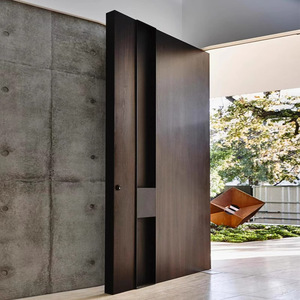
OEM/ODM Aluminum Security Door Features Manufacturers & Suppliers
Factory-Direct Catalog
High-Performance OEM/ODM Aluminum Security Door Systems
Precision-engineered entrance doors built to custom CAD specifications, featuring heavy-duty thermal break profiles, multi-point anti-theft locking, and luxury modern aesthetics for B2B global developments.
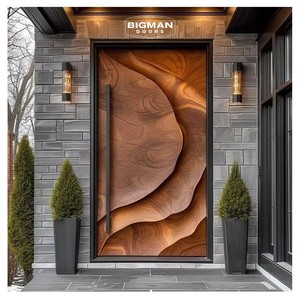
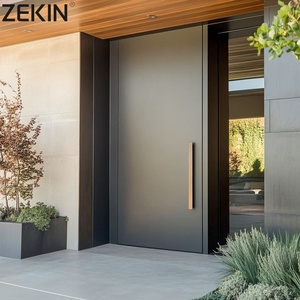
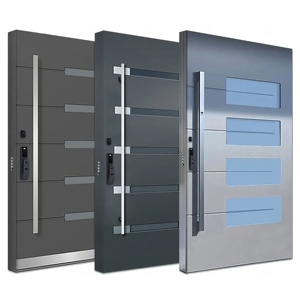
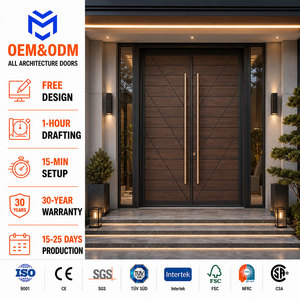
Manufacturer Expertise & Authority
Primor Metal Door Co., Ltd.: Global Engineering & Production Capacity
Bridging high-volume OEM/ODM manufacturing precision with direct localized engineering support across major global markets.
In the architectural door and window industry, sourcing high-grade security entrance doors demands a partner capable of executing rigorous custom engineering while complying with strict international building codes. Primor Metal Door Co., Ltd. operates at the intersection of heavy-duty metallurgical manufacturing and refined architectural aesthetics. Unlike generic suppliers relying on stock catalog sizes, our entire production workflow is built around custom shop drawings, mill-certified aluminum alloys, and verifiable physical performance metrics.
Whether servicing commercial multi-family residential developments, high-security embassy projects, or luxury estate villas, Primor implements a zero-defect quality control framework. From initial CAD/BIM drawing validation to final export crating, every security entrance system is engineered for maximum anti-burglary protection, thermal insulation, and atmospheric durability.
6063-T6 Alloy
Architectural Grade Extrusion
PA66GF25 Break
Polyamide Thermal Barrier
5 Showrooms
U.S. Direct Engineering Hubs
100% Custom
CAD Shop Drawing Verification
Information Gain Technical Analysis
Core Technical Features of Architectural Aluminum Security Doors
An in-depth breakdown of structural engineering, thermal performance, and security mechanics that differentiate commercial-grade entrance systems from standard residential doors.
Structural Alloy & Armored Cores
Manufactured using high-tensile 6063-T6 architectural aluminum extrusions with wall thicknesses ranging from 2.0mm to 3.0mm. For maximum security, inner cores integrate bulletproof steel plating or solid cast aluminum panels capable of resisting heavy mechanical impact and prying forces.
Multi-Point Anti-Theft Locking
Engineered with German-built multi-point hardware (such as KFV or GU systems) incorporating solid steel hook bolts, anti-drill cylinder plates, and anti-pry strike boxes. Certified to European EN 1627 RC2, RC3, and RC4 resistance classes for maximum anti-burglary performance.
Polyamide Thermal Break Technology
Utilizes structural PA66-GF25 (25% glass fiber reinforced polyamide) thermal barrier strips. This mechanically interrupts thermal bridge transmission between exterior and interior profile sections, achieving low U-factors (< 0.22 BTU/h·ft²·°F) and eliminating condensation risk.
Acoustic Dampening & Sealing
Dual and triple continuous EPDM rubber weather-stripping paired with sound-insulating core fills (mineral wool or high-density polyurethane) achieve high sound transmission class (STC) ratings up to 42 dB, blocking ambient city noise and airborne sound transmission.
Fluorocarbon PVDF Finish
Surface finishing utilizes Qualicoat Class 2 architectural powder coating or 70% PVDF (fluorocarbon) resin coatings. Tested to withstand over 3,000 hours of continuous salt spray exposure, ensuring salt-air corrosion resistance for coastal developments.
Smart IoT & Biometric Integration
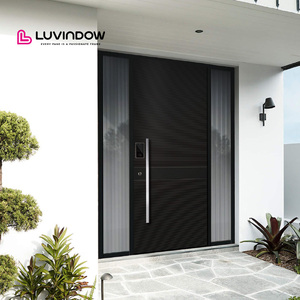
Custom door sashes are pre-machined for seamless integration of smart access control hardware, including 3D facial recognition sensors, semiconductor fingerprint scanners, encrypted keypad mortises, and motorized multi-point lock actuators.
Specification Matrix
B2B Material & Security Performance Comparison
Evaluate door core architectures to align structural parameters with project requirements, climate exposure, and security grade mandates.
| Security Door Type | Core Structural Material | Security Rating | Thermal U-Factor | Acoustic Rating | Ideal Application |
|---|---|---|---|---|---|
| Heavy Cast Aluminum Pivot Door | Solid Cast Aluminum + Steel Frame | EN 1627 RC4 / Bulletproof | 0.24 BTU/h·ft²·°F | STC 42 dB | Luxury Villa Main Entrance, Grand Entrances |
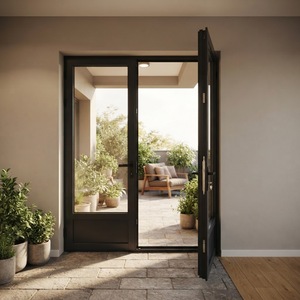
| Thermal Break Aluminum French Door | 6063-T6 Extrusion + PA66GF25 | EN 1627 RC2 / RC3 | 0.18 BTU/h·ft²·°F | STC 38 dB | Patio Access, Multi-Family Living, Courtyards |
| Alu-Clad Solid Walnut Entry Door | Extruded Alu Shell + Solid Walnut Core | EN 1627 RC3 | 0.20 BTU/h·ft²·°F | STC 40 dB | High-End Residential Villas, Executive Estates |
| Armored Steel-Aluminum Compound Door | Galvanized Steel Plate + Aluminum Skin | UL 752 Bulletproof Level 3+ | 0.26 BTU/h·ft²·°F | STC 44 dB | Embassies, High-Risk Commercial, Secure Storage |
2026–2030 Strategic Insights
Future Sourcing & Engineering Trends in Aluminum Entrance Systems
How evolving building envelope codes, minimalist architectural trends, and smart home automation are shaping OEM/ODM door manufacturing.
1. Oversized Pivot Door Systems
Modern architectural blueprints increasingly specify massive floor-to-ceiling pivot entrance doors exceeding 3.5 meters in height and 2.0 meters in width. OEM suppliers are responding with heavy-duty hydraulic floor pivots engineered to support door leaf weights over 500kg while ensuring smooth hand operation.
2. Concealed Armored Minimalist Profiles
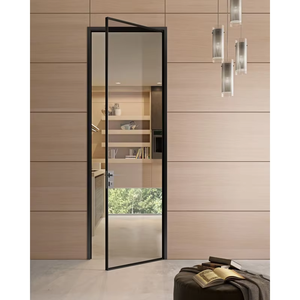
The market is shifting away from bulky, traditional security doors toward ultra-narrow sightline profiles. By embedding ultra-hard manganese steel cores within slim 6063-T6 aluminum extrusions, manufacturers achieve high anti-burglary security without sacrificing sleek glass sightlines.
3. Decarbonized & Low-Carbon Aluminum
Driven by strict LEED certifications and European carbon border adjustments (CBAM), top-tier suppliers are adopting primary aluminum smelted via renewable hydro-power, reducing the embodied carbon footprint of door profiles to below 4.0 kg CO2/kg aluminum.
4. Integrated Smart Home Nodes
Future security doors serve as interactive access hubs. Factory ODM customization now standardizes internal wiring conduits, electromagnetic strike plates, and hidden sensor pockets compatible with Zigbee, Z-Wave, and Matter smart home ecosystems.
5. Extreme Weather & Impact Resistance
Increased frequency of extreme climate events has accelerated demand for hurricane impact-rated aluminum security doors. Advanced OEM doors combine laminated safety glass (PVB/SGP interlayers) with multi-point perimeter latching to withstand wind loads exceeding 5,000 Pa.
6. Hybrid Material Composites
Combining exterior-grade anodized aluminum facing with interior solid timber (such as Black Walnut or Teak) provides weathering resistance outside with natural warmth indoors, utilizing high-grade thermal isolation adhesives between dissimilar materials.
Supply Chain Management
B2B Procurement Risk Mitigation Protocol
How Primor eliminates dimensional errors, freight damage, and compliance failures in overseas door manufacturing.
Phase 1: CAD & BIM Sign-Off
Every project starts with an engineering review of architectural openings. Shop drawings detailing structural anchoring, threshold drainage, frame profiles, and hardware mortises are submitted for architect sign-off before cutting profiles.
Phase 2: Pre-Production Sampling
Corner samples, profile cutaways, finish swatches (powder coating/PVDF), and hardware test units are dispatched to global project managers to confirm tactile quality, color consistency, and thermal break specs.
Phase 3: Export Packaging Protocol
Doors are wrapped in protective polyethylene films, reinforced with corner guards, and enclosed in fully fumigated wooden crates. Opening-specific labels streamline sorting upon site delivery.
Procurement FAQ
B2B Buyer Knowledge Base & Technical FAQ
Addressing essential technical, logistical, and customization questions for architectural specifiers and global buyers.
Q: Can Primor manufacture aluminum security doors to fully custom sizes and CAD drawings?
Yes. Every single door assembly is custom engineered according to your specific architectural elevation drawings or opening schedules. Our engineering team reviews rough opening dimensions, wall thickness, threshold transitions, and wind-load requirements before issuing shop drawings for approval.
Q: What is the advantage of a polyamide thermal break in an aluminum entrance door?
Aluminum is a strong conductor of thermal energy. A polyamide thermal break (PA66-GF25) physically separates the interior and exterior aluminum profiles with a low-conductivity structural polymer strip. This prevents indoor heat loss in cold climates, blocks solar heat gain in warm climates, and prevents surface condensation.
Q: What security standards and resistance classes do your doors meet?
Our security door line is engineered to comply with European Standards EN 1627 (RC2, RC3, and RC4 resistance classes) as well as North American forced-entry testing requirements. Specific armored security models incorporate heavy steel plating rated up to UL 752 bulletproof standards.
Q: How do you ensure surface finish durability in high-salinity coastal areas?
For oceanfront applications, we apply Qualicoat Class 2 architectural powder coatings or 70% PVDF (fluorocarbon) surface treatments over pre-anodized aluminum profiles. This multi-stage coating resists salt spray corrosion, chalking, and intense UV degradation for over 10–15 years.
Q: Can smart biometrics and automated locks be integrated into OEM doors?
Absolutely. Our factory pre-machines door frames and sashes for seamless integration of smart lock hardware, including biometric fingerprint scanners, digital keypads, facial recognition cameras, and concealed wire transfers for automatic door operators.
Q: What is the typical production lead time and export shipping arrangement?
Standard production lead times range from 25 to 35 days following shop drawing approval. Goods are packed in export-ready wooden crates and shipped via LCL or FCL container transport. We assist with full export shipping documentation and customs clearance support.
Q: Where can project developers view physical Primor product displays?
We operate physical showrooms across North America, including locations in Los Angeles, the San Francisco Bay Area, Houston, Dallas, and Phoenix. Overseas clients can request profile cutaways and physical sample boxes sent directly via express courier.
Q: What documentation is provided for quality assurance before dispatch?
Every batch includes Mill Test Reports (MTR) for aluminum alloys, glass compliance certificates (IGCC/SGCC), hardware warranty documentation, and factory inspection photo/video reports verifying door dimensions and lock operation prior to crate sealing.
Accelerate Your Architectural Project Sourcing
Share your window and door schedule or CAD blueprints with our senior engineering team. Receive detailed technical proposals, U-factor calculations, and factory-direct project pricing within 24 hours.
📍 Los Angeles Showroom
📍 Bay Area Showroom
📍 Houston Showroom
📍 Dallas Showroom
📍 Phoenix Showroom