Featured OEM Main Door Systems & Custom Configurations
Explore our custom OEM factory-direct entrance door series engineered for luxury villas, commercial developments, and high-end residential projects globally.
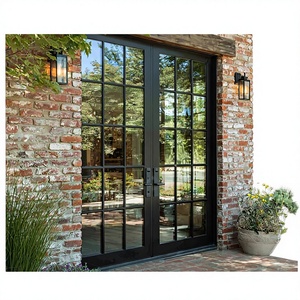
Sunnysky French Style Exterior Entry Double Tempered Glass Modern Retro Black Aluminum Swing Door
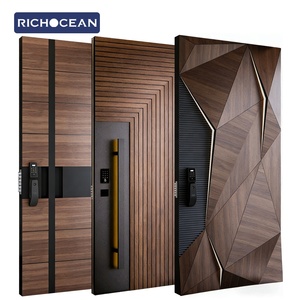
Richocean Luxury Bulletproof Front Entry Door Aluminum Storm Security Voordeur Residential Doors
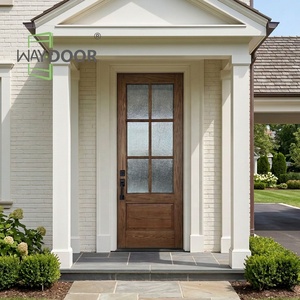
Fully Customized Soundproof Single Front Solid Wood Door With 6 Glass Panels Mahogany Oak Exterior Door
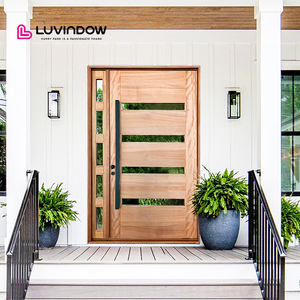
American Wooden Main Door Design Front Doors Modern TEAK OAK Solid Wood Commercial Entry Door
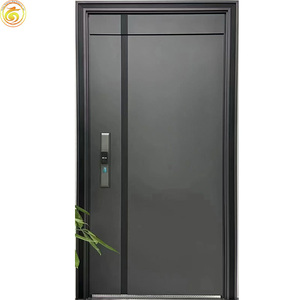
Custom Minimalist Design Stainless Steel Villa Main Entrance Luxury Front Entry Security Door
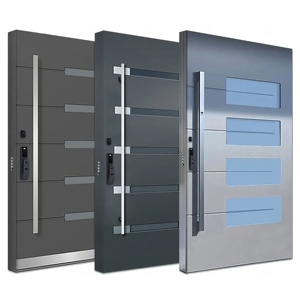
New Design Armoured Door Bulletproof and Explosion-Proof Entry Door Stainless Steel Villa Main Door
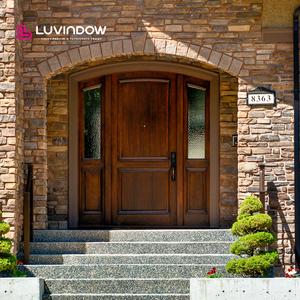
Custom Crafted Energy Efficient Insulated Solid Wood Main Door For High End Commercial Projects
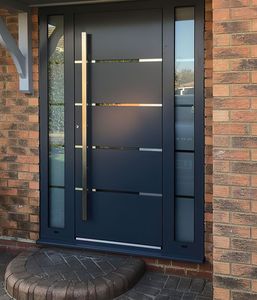
Security Main Pivot Front Doors Aluminum Alloy Villa Glass Windproof Customized Stainless Steel Entrance
Engineering Authority: Custom OEM Main Door Manufacturing Infrastructure
As a global lead manufacturer operating under Primor Metal Door Co., Ltd. (also recognized globally as Primor Entry Door), our production ecosystem is purposefully built to service real estate developers, commercial architects, structural contractors, and international hardware distributors. We bypass standard off-the-shelf retail limitations by anchoring our entire manufacturing flow around project-specific architectural schedules and verified shop drawings.
Whether specifying thermal break aluminum main entrance doors, heavy-duty stainless steel armored security portals, multi-point lock luxury pivot systems, or solid teak and oak exterior entry structures, every single order undergoes rigorous digital pre-validation. Our engineering team converts preliminary project elevations into millimetric CAD and BIM models, ensuring absolute integration with physical rough openings, structural headers, thermal envelope breaks, and localized wind-load constraints.
Technical Information Gain Signal: Unlike conventional entry door distributors relying on standardized batch sizes, Primor operates a flexible OEM/ODM manufacturing grid. Every extrusion profile thickness (ranging from 2.0mm to 3.5mm T6 aviation-grade aluminum), thermal insulator polymer (PA66 GF25), and lock housing is custom-machined for the project's exact environmental exposure and security mandate.
Integrated B2B Engineering Workflow
From initial design takeoff to international job-site delivery, our OEM supply chain operates under a zero-defect manufacturing protocol:
1. CAD/BIM Verification
Strict review of structural elevations, wall substrate composition, weight distribution, and hinge swing tolerances prior to cutting.
2. Structural & Thermal Testing
Profiles engineered to meet or exceed ASTM E330 structural performance, NFRC U-factors (<0.22), and STC acoustic isolation standards.
3. Export Crating & Logistics
Units are fully labeled per window schedule opening, packaged in reinforced ISPM-15 export wooden crates, and protected against oceanic humidity.
Future Procurement Trends in Main & Entry Door Manufacturing
The global architectural entrance landscape is experiencing a paradigm shift driven by stringent decarbonization mandates, evolving luxury aesthetics, and rapid adoption of high-level biometric access technologies. Commercial procurement officers and project specifiers must align their OEM supply chains with four decisive industry shifts shaping main door procurement through 2030:
1. Polyamide Thermal Insulation Integration
Standard non-thermal metallic doors are rapidly being phased out by green building codes (LEED, Passivhaus, Title 24). Procurement demand has overwhelmingly shifted toward multi-chamber thermal break profiles fitted with 24mm–34mm PA66 GF25 polyamide strips, effectively decoupling interior and exterior temperatures.
2. Oversized Modern Pivot Engineering
Architectural villa trends favor high-impact grand entryways reaching up to 4 meters in height and 2 meters in width. OEM suppliers must engineer custom offset hydraulic pivot hinges capable of smoothly swinging panel weights exceeding 450 kg while maintaining airtight perimeter weather-sealing.
3. Embedded Smart IoT & Biometric Access
Future main doors are no longer standalone mechanical barriers. OEM manufacturers are now required to pre-wire profiles during extrusions to house concealed motorized multi-point locks, 3D facial recognition scanners, biometric fingerprint sensors, and smart home automation integration directly inside the frame profile.
4. Hybrid Material Composite Structures
Modern architectural projects demand the warmth of natural hardwoods combined with the structural weather resistance of metals. Industry procurement is seeing exponential growth in hybrid main doors—utilizing heavy-gauge extruded aluminum or 314/316 stainless steel cores for structural rigidity and security, paired with exterior-grade real teak, mahogany, or carbon fiber architectural facings treated with anti-UV PVDF clear coatings.
Main Door Material Engineering & Performance Matrix
Selecting the optimal core material profile depends heavily on climatic conditions, security risk classifications, architectural styles, and long-term maintenance cycles. The technical matrix below compares primary main door substrate configurations manufactured across our OEM facilities:
| Material Core System | Structural Thermal Break | Security Level (EN 1627) | Acoustic Rating (STC) | Weathering & Corrosion Resistance | Primary Commercial Application |
|---|---|---|---|---|---|
| T6 Extruded Aluminum Alloy | PA66 Polyamide Insulated | RC2 to RC3 | STC 38 – 42 dB | Superior (Fluorocarbon PVDF Coated) | Modern Luxury Villas, Coastal Residences |
| Armored Stainless Steel Substrate | Multi-Layer Core Density | RC3 to RC4 (Blast/Bullet Proof) | STC 42 – 48 dB | Extreme Anti-Corrosion (316 Grade) | High-Security Estates, Executive Buildings |
| Solid Teak / Mahogany Wood | Insulated Core Infill | RC1 to RC2 | STC 32 – 36 dB | Moderate (Requires Periodic Sealing) | Classic Luxury Homes, Heritage Buildings |
| Heavy-Duty Glass Pivot Alloy | Perimeter Thermal Seal | RC2 Standard | STC 35 – 40 dB | High (Anodized Architectural Finish) | Commercial Headquarters, Contemporary Mansions |
Acoustic & Security Engineering Note: For luxury hospitality and dense urban master-planned developments, sound transmission class (STC) is as vital as thermal performance. Our OEM doors incorporate drop-down automatic acoustic bottom seals combined with double-EPDM continuous compression gaskets to eliminate sound flanking pathways.
Frequently Asked Questions by Commercial Buyers & Specifiers
Direct technical answers to common procurement friction points encountered by developers, architects, and international importers when sourcing factory-direct custom main entrance doors.
Can Primor manufacture aluminum and armored main doors to custom structural sizes?
Yes. Every main entrance door is custom manufactured from your exact architectural elevation drawings or door schedule. Our internal engineering department reviews structural rough openings, calculates panel dead loads, confirms wind-pressure requirements, and issues complete CAD shop drawings for sign-off prior to profile extrusion and assembly.
What makes a thermal break aluminum main door superior to standard non-thermal metal doors?
A thermal break door incorporates a low-conductivity glass-fiber reinforced polyamide strip (PA66 GF25) engineered between the exterior and interior aluminum extrusions. This thermal barrier stops direct conductive heat transfer, prevents internal frame condensation, lowers HVAC cooling/heating loads, and delivers U-factors compliant with stringent green building standards.
What specific technical data is required to request an accurate OEM production quotation?
To prepare an itemized commercial proposal, please submit your architectural CAD/PDF drawings or door schedule, including: wall rough opening dimensions, preferred opening mechanism (hinged, double swing, or offset pivot), desired core material (thermal aluminum, armored steel, solid timber), glazing specifications (double/triple Low-E tempered, laminated safety, privacy frosted), hardware/lock system requirements, and target job site delivery location.
How do you ensure global quality control and compliance for international import projects?
Our factory operates under ISO9001 certified quality management systems. All structural profiles, tempered safety glass units, and security multi-point hardware comply with international standards including CE, NFRC, ASTM, and PAS 24. Prior to container crating, each fully assembled door undergoes dynamic swing testing, air-water pressure testing, and dimensional verification against approved shop drawings.
Can buyers inspect physical product samples or full-scale door operating units prior to bulk ordering?
Yes. OEM clients and project contractors can inspect full-size working displays and finish swatches across our U.S. showroom network located in Los Angeles, the Bay Area, Houston, Dallas, and Phoenix. Overseas buyers can also request physical profile cross-section samples, finish color swatches, and hardware sets delivered via express courier.
What surface treatment finishes are available for high-exposure exterior environments?
For high-corrosion or coastal salt-air environments, we apply architectural-grade fluorocarbon PVDF powder coatings (AAMA 2605 compliant), anodized metallic finishes (up to 25 microns), or vacuum thermal transfer wood-grain coatings that deliver the organic aesthetic of natural timber without rotting, warping, or requiring refinishing.
Primor Enterprise Capabilities & Direct Showroom Network
Primor Metal Door Co., Ltd. supplies tailored architectural entrance solutions globally. With dedicated U.S. regional offices and showroom facilities, project managers can review physical mockups, verify engineering specs, and coordinate local logistics effortlessly.
Start Your OEM Main Door Project Consultation
Submit your architectural drawings or door schedules directly to our senior engineering desk for a comprehensive technical breakdown, structural review, and factory-direct pricing quote.
Get a Quote