Architectural Entry & Egress Door Systems
Factory-direct customized doors built with thermal break profiles, heavy-duty panic hardware, and certified structural glazing.
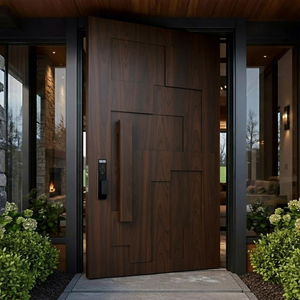
Modern Aluminum Pivot Entry Door Luxury Exterior Front Door Thermal Break Custom Size Double Glass OEM ODM Manufacturer
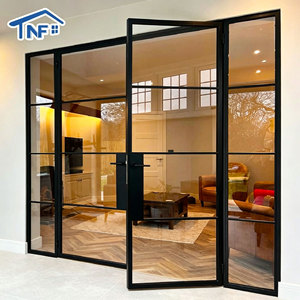
NFRC AS2047 Thermal Break Casement Door Custom Color And Size Double Glazed Swing French Doors Interior And Exterior
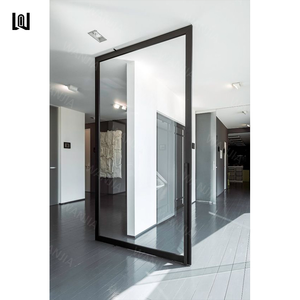
WANJIA Residential Interior Modern Pivot Door Electric Revolving Aluminum Pivot Door Entry Pivot Doors
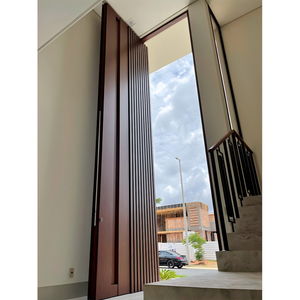
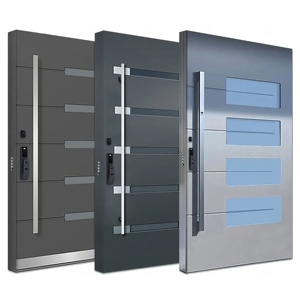
Heavy-Duty Extra Large Aluminum Pivot Door Modern Smart Lock Luxury Villa Apartment Exterior Entry Door Anti-Theft Waterproof
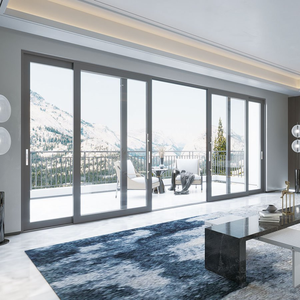
Hurricane Resistant Modern Aluminum Sliding Double Glazed Tempered Glass Windproof CE Certified Entry Door for Living Room
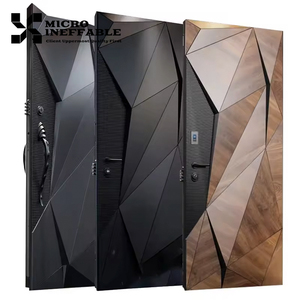
Luxury Design Hot Sale Custom Front Entry Door Main Stainless Steel Security Doors Aluminum Home Doors Security
New Design Armoured Door Bulletproof and Explosion-Proof Entry Door Durable Main Entry Door Stainless Steel for Villa Exterior
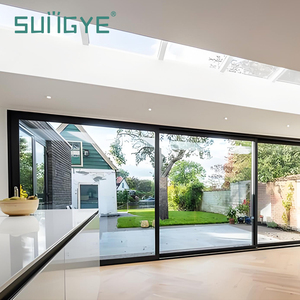
SUNGYE AS2047 NFRC Panoramic Sliding Door Slim Aluminum Frame Double Tempered Glass Hurricane Impact Patio Entry Door
Engineering Life-Safety Panic Hardware Door Assemblies
A comprehensive B2B specification guide on mechanical integrity, code compliance, structural thermal performance, and global supply chain integration.
In modern commercial architecture—spanning educational institutions, healthcare complexes, high-density residential towers, and transit hubs—the emergency egress door system occupies a critical intersection between structural integrity, building envelope thermal efficiency, and immediate life-safety compliance. Panic exit devices (commonly designated as crash bars, panic push bars, or emergency egress hardware) are designed to provide instantaneous, unlatching egress under emergency conditions with minimal physical effort.
As a leading China wholesale panic hardware door manufacturer and exporter, Primor Metal Door Co., Ltd. bridges the gap between stringent international life safety standards (such as ANSI/BHMA A156.3 Grade 1, UL 305, and European standard EN 1125) and cost-effective, high-volume precision manufacturing. Sourcing panic door hardware directly from an established Chinese manufacturer provides global B2B procurement managers, general contractors, and facade engineers with a distinct competitive advantage: tailored OEM/ODM engineering backed by rigorous metallurgical standards and direct factory pricing.
UL 305 & Life Safety Compliance
Panic exit hardware engineered to release under less than 15 lbf (66 N) of applied force across the active push rail, satisfying International Building Code (IBC) Chapter 10 and NFPA 101 requirements.
Thermal Break Profile Integration
Structural polyamide insulation strips (PA66 GF25) separate exterior and interior aluminum extrusions, eliminating cold bridging and drastically lowering overall U-factors in insulated exterior egress doors.
Global Export & Custom Sizing
Every door assembly is built to client shop drawings with custom opening widths, fire glass integration, multi-point vertical rods, and weather-sealed thresholds for extreme climatic conditions.
Future Procurement & Engineering Trends (2026–2035)
How smart access technology, environmental regulations, and architectural minimalist trends are reshaping wholesale panic door manufacturing.
1. Smart Access & Electrified Motorized Latching
The global hardware market is shifting away from purely mechanical push bars toward electrified latch retraction (ELR) and motorized latch control. Commercial egress doors are increasingly integrated with Building Management Systems (BMS), facial recognition access control, and emergency fire alarm overrides. During normal operations, the door operates as a secure access-controlled entrance; under alarm conditions or power loss, the solenoid fail-safe mechanism immediately guarantees free egress.
2. Ultra-Slim Sightlines with High-Strength T6 Extrusions
Architects demand maximal daylight transition and visual transparency without sacrificing wind-load resistance or panic hardware structural anchoring. Advances in high-tensile 6063-T6 and 6065-T6 aluminum alloys allow manufacturers to produce narrow-stile commercial panic doors capable of housing hidden vertical rod (HVR) exit devices directly within slim 50mm profile frames.
3. High-Performance Thermal & Acoustic Decoupling
Energy efficiency codes (such as ASHRAE 90.1 and NFRC thermal standards) now apply strictly to emergency exits as well as main curtain walls. Modern B2B procurement demands double and triple-glazed thermal break panic doors featuring warm-edge spacers, low-E coatings, and multi-layer EPDM compression seals that achieve U-factors below 0.30 BTU/h·ft²·°F while offering acoustic damping (STC 40+).
4. Hurricane Impact & Explosion-Proof Egress Assemblies
For coastal regions subject to severe typhoon and hurricane forces (Florida TAS 201/202/203, AS2047 standards), export panic hardware doors must withstand cyclical wind pressures exceeding +/- 70 PSF and heavy missile impact. China's top-tier manufacturers are now combining heavy-duty 304/316 stainless steel rim exit devices with SentryGlas® laminated safety glass for extreme resilience.
Information Gain Insight for Project Engineers: When specifying commercial egress hardware, choosing integrated assemblies (where the door profile, internal reinforcement plates, hinges, and panic exit devices are factory-machined and pre-tested together) eliminates up to 80% of jobsite installation errors compared to field-retrofitting generic hardware onto non-reinforced door stiles.
Panic Hardware & Door Assembly Comparison
Engineering matrix for specifiers selecting rim exit devices, surface vertical rods, and concealed vertical rods for commercial project deployment.
| Hardware Mechanism | Primary Egress Application | Max Door Size (W x H) | Fire Rating Compatibility | Security Level & Latching |
|---|---|---|---|---|
| Heavy-Duty Rim Exit Device | Single exterior/interior doors, main exit corridors | 1400 mm x 3000 mm | UL 10C 3-Hour Fire Rated | Grade 1 - Single point deadlocking latch bolt |
| Concealed Vertical Rod (CVR) | Double glass doors, high-end commercial lobbies | 2400 mm x 3200 mm (Pair) | 90-Minute Fire Door Assembly | Top and bottom concealed latching, clean aesthetics |
| Surface Vertical Rod (SVR) | Utility exits, industrial facilities, warehouse panic doors | 2600 mm x 3000 mm (Pair) | UL 10C 3-Hour Fire Rated | Two-point heavy-duty surface rod latching |
| Electrified Latch Retraction (ELR) | Access controlled entry/exit, smart building integration | 1500 mm x 3200 mm | Fail-Safe / Fail-Secure Emergency Release | Motorized / Solenoid retraction with card/biometric integration |
| Three-Point Explosive-Proof Panic Bar | High-security facilities, chemical plants, luxury vaults | 1300 mm x 2800 mm | Explosion Resistant & Bulletproof Core | Maximum Armor - 3-Point multi-lock latching |
Metallurgical & Structural Superiority in Manufacturing
A primary failure point in budget commercial doors is structural deformation around hinge mortises and panic bar mounting points under high-frequency usage. Primor Metal Door Co., Ltd. resolves this by integrating 4.0mm thick internal steel backing plates welded within the 6063-T6 aluminum extrusion channels. Furthermore, all push rails utilize 304 grade stainless steel or heavy-gauge extruded aluminum, finished with architectural powder coating or fluorocarbon (PVDF) spray to withstand 3,000 hours of neutral salt spray (ASTM B117 testing).
Why Partner with Primor Metal Door Co., Ltd.
China's premier OEM/ODM manufacturing factory tailored for global architects, builders, and wholesale door importers.
Drawing-Based OEM Customization
We do not force projects into rigid catalog sizes. Every order is precision-cut from client architectural CAD/BIM drawings or window schedules, followed by formal shop drawing approval before production.
U.S. Showroom & Local Support
Overseas buyers gain unmatched confidence with physical inspection centers in Los Angeles, Bay Area, Houston, Dallas, and Phoenix. Examine full-size panic door samples and material swatches locally.
Export-Ready Protection & Tracking
Every door leaf and frame assembly is labeled by opening tag, wrapped in protective film, and packed in reinforced plywood crates to ensure damage-free maritime container transport.
Wholesale Panic Hardware Procurement FAQ
Answers to essential questions regarding code compliance, OEM engineering, testing certifications, and international shipping.
Our commercial panic door assemblies are engineered to meet UL 305 (Standard for Safety for Panic Hardware), ANSI/BHMA A156.3 Grade 1 operational standards (1,000,000 cycle testing), and European EN 1125 life-safety requirements. For fire-rated door openings, we supply assemblies rated from 45 minutes up to 3 hours under UL 10C / EN 1634-1 fire testing standards. Glazing units can also be specified with AS2047 and NFRC energy performance certifications.
Every commercial project begins with your architectural floor plans, elevation drawings, or door schedule. Our dedicated engineering team reviews opening dimensions, structural wind-load requirements, hardware hardware functions, and wall conditions. We issue comprehensive CAD/BIM shop drawings detailing profile sections, hardware locations, glass specifications, and threshold details for client engineering approval before cutting a single aluminum profile.
Yes. We specialize in high-performance thermal break aluminum profile systems (utilizing PA66 GF25 polyamide insulative barriers) combined with electrified panic hardware. This allows seamless connection to electronic card readers, biometric scanners, and central Building Management Systems (BMS). In the event of a power outage or fire alarm activation, the fail-safe emergency release immediately ensures uninhibited manual egress via the crash bar.
We accommodate both project-specific mixed door/window packages and bulk distributor wholesale orders. While our typical manufacturing lead time is 25 to 35 days following shop drawing sign-off, expedited production schedules are available for urgent commercial construction deadlines. Our logistics department handles full container load (FCL) and less-than-container load (LCL) shipping directly to major ports worldwide.
Buyers can visit any of our 5 regional U.S. showrooms located in Los Angeles, the San Francisco Bay Area, Houston, Dallas, and Phoenix to inspect full-size working door displays, profile cross-sections, and finish swatches. Additionally, for custom OEM projects, we provide pre-production profile samples and video-assisted factory acceptance testing (FAT) directly from our manufacturing facilities in China.
Accelerate Your Commercial Project with Factory-Direct Pricing
Connect with our senior engineering team to receive precise shop drawings, hardware technical proposals, and factory-direct wholesale pricing tailored to your project schedule.