High-Performance Architectural Pivot & Entry Doors
Factory-direct engineered entry systems custom manufactured for luxury residential villas, commercial facades, and global B2B distribution networks.
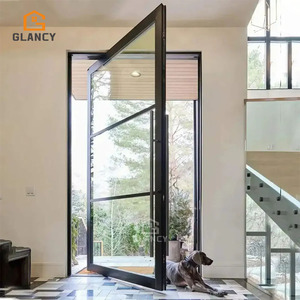
Customized Size Modern Pivot Doors Aluminium External Glass Door Single Patio Door Glass Outdoor for Houses Villa US Australia
Inquire This Product →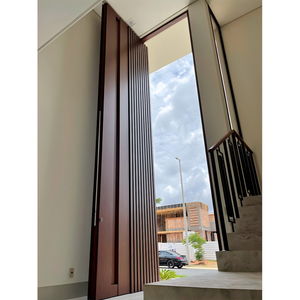
Heavy-Duty Extra Large Aluminum Pivot Door Modern Smart Lock Luxury Villa Apartment Exterior Entry Door Anti-Theft Waterproof
Inquire This Product →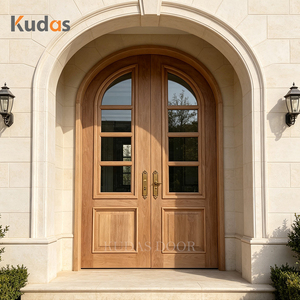
Modern Classic European Arched Solid Wood Entry Double Door Villa Main Exterior Entrance Arch Double Door With Tempered Glass
Inquire This Product →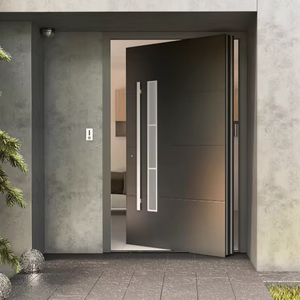
CBMmart Miami-Dade Certificate NFRC North American Style Panel Tempered Glass Aluminium/Metal Modern Entrance Front Pivot Doors
Inquire This Product →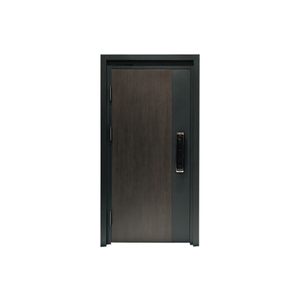
Exterior Residential Modern Aluminum Security Doors Hurricane Impact Heat Insulated Waterproof Steel Glass Front Entry
Inquire This Product →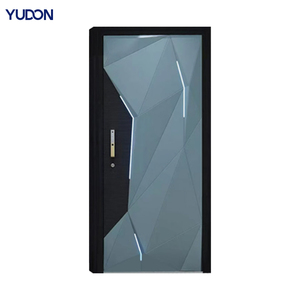
YUDON DOOR Pivot Entrance Door Aluminium Entrance Doors Large Format Modern Design Matte Blue Puertas De Entrada Principal
Inquire This Product →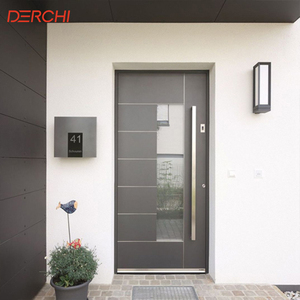
Exterior Aluminum Entry Door Front Door Security Door for Homes Villas and Apartments Custom Size
Inquire This Product →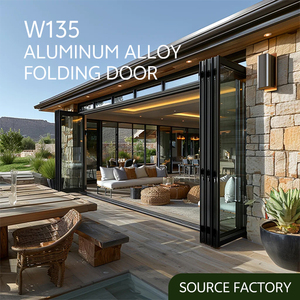
NFRC Aluminium Balcony Accordion Door Thermal Break Double Tempered Glass Exterior Bi Folding Sliding Bi-fold Patio Doors
Inquire This Product →Primor Metal Door Co., Ltd.: Manufacturing Engineering & Global Infrastructure
In modern high-end architectural engineering, entry doors have transitioned from basic functional barriers to key architectural statements. As an established enterprise based in China's manufacturing heartland, Primor Metal Door Co., Ltd. (Primor Entry Door) has redefined factory-direct procurement for global architects, general contractors, developers, and wholesale importers. Unlike catalog suppliers offering static dimensions, our production model operates on a 100% made-to-measure engineering framework that translates complex architectural elevations directly into precision CNC-milled structural aluminum systems.
To eliminate procurement risk for overseas B2B buyers, Primor maintains a comprehensive physical operational presence in the United States, anchored by five strategic display showrooms located in major construction hubs:
- Los Angeles Showroom: Room 301, 347 Stimson Ave, City of Industry, CA 91744
- Bay Area Showroom: 33508 Central Ave, Union City, CA 94587
- Houston Showroom: C07-A, 12510 W Airport Blvd, Sugar Land, TX 77478
- Dallas Showroom: 10th N Avenue, Plano, TX 75074
- Phoenix Showroom: 1116 S Dobson Rd, STE 127, Mesa, AZ 85202
This dual infrastructure—combining high-capacity, cost-efficient manufacturing in China with domestic U.S. technical support and product displays—enables international specifiers to physically evaluate frame extrusions, offset pivot hardware, double-insulating glass, and smart lock integrations prior to container shipment. Every custom order undergoes a multi-stage engineering audit: from rough-opening verification and wind-load calculations to approval of full-scale CAD shop drawings, ensuring zero jobsite discrepancies upon arrival.
6063-T6 Extrusion Structural Rigidity
Utilizing high-tensile 6063-T6 aluminum profile extrusions with wall thicknesses up to 3.0mm, engineered to withstand wind pressures exceeding 4500 Pa without frame deflection.
Advanced Thermal Separation
Integrated Polyamide PA66 GF25 thermal break strips decouple interior and exterior aluminum profiles, eliminating thermal bridging and preventing condensation build-up.
Smart Access Control Integration
Factory integration of motorized multi-point locks compatible with biometric fingerprint scanning, RFID keycards, facial recognition, and smart home automation systems.
Future Procurement & Sourcing Trends in Aluminum Pivot Doors (2026–2030)
As the international architectural sector accelerates toward zero-carbon energy targets and bold modern aesthetics, the global procurement landscape for exterior door systems is undergoing a rapid paradigm shift. B2B importers, real estate developers, and architectural specifiers are pivoting away from standard residential swing doors in favor of large-format aluminum pivot entry systems engineered in China's specialized factories. Understanding these macroeconomic and technical sourcing trends is essential for wholesale buyers seeking a sustainable competitive edge.
1. Oversized Openings and Mega-Panel Structural Engineering
Modern luxury architectural design demands grand entrances with single leaf widths reaching 2.5 meters and heights extending up to 6.0 meters. Traditional butt hinges fail under these extreme gravitational loads due to excessive leverage placed on the vertical jamb. Sourcing trends show an exponential increase in demand for top-and-bottom hydraulic offset pivot hardware (such as heavy-duty DormaKaba or FritsJurgens floor spring systems). By transferring door weight directly into the structural floor slab rather than the frame jamb, developers can execute massive glass and aluminum entries with load capacities topping 600 kilograms, maintaining effortless push-button or manual operation.
2. Mandatory Thermal Performance & Energy Code Compliance (NFRC / CE / AS2047)
With international building codes (such as IECC in the United States and Title 24 in California) tightening energy consumption metrics, non-thermal aluminum frames are no longer viable for luxury exterior applications. The future of wholesale procurement belongs to multi-chamber thermal break aluminum pivot doors. Factories equipped with double and triple-seal EPDM rubber gaskets, warm-edge spacers, argon gas filling, and Low-E double/triple tempered glazing achieve overall U-factors as low as 0.22 Btu/h·ft²·°F (1.25 W/m²K). Importers must partner with manufacturers whose systems hold formal testing documentation from bodies like NFRC, AAMA, and Miami-Dade County for wind-borne debris impact resistance.
3. Supply Chain Direct-Sourcing & Digital Twin CAD Approvals
The traditional multi-tiered distribution chain—involving local fabricators, regional distributors, and brokers—adds significant markup costs without adding engineering value. B2B buyers are increasingly establishing direct relationships with specialized OEM/ODM factories in China. Advanced factories now operate a "Digital Twin" review process: before profile extrusion begins, comprehensive 3D CAD models and shop drawings are transmitted to the project's lead architect. This digital workflow allows instant verification of lock cutout prep, floor closer box recess depths, threshold transition details, and structural anchoring methods, compressing production lead times by up to 30% while eliminating jobsite remachining costs.
Architectural Evolution & Product Design Trends
The physical evolution of the aluminum pivot door reflects broader movements in high-end residential and commercial architecture: minimalist sightlines, material convergence, seamless indoor-outdoor accessibility, and high-tech security integration. Chinese export manufacturers lead this innovation wave by leveraging automated precision machining and advanced surface finishing technologies.
Ultra-Slim Flush Frames
Contemporary architecture favors concealed frames where the aluminum profile is embedded directly into the interior drywall and exterior cladding. The visible face width of the frame is minimized, allowing the pivot door panel to appear as a floating architectural element within the wall plane.
Hybrid Cladding Panels
Rather than relying purely on single-material construction, market trends highlight multi-layered composite door leaves. Exterior faces feature weather-resistant PVDF fluorocarbon coatings, anodized architectural metallic finishes, or sintered stone plates bonded over an aluminum honeycomb core, while interior faces incorporate natural solid wood veneers to complement interior joinery.
Zero-Threshold Drop Seals
Eliminating raised floor trips is critical for barrier-free ADA-compliant residential and commercial entrances. Advanced pivot doors feature automatic pneumatic floor drop seals that remain retracted during panel swing and deploy mechanically into a recessed stainless steel drain channel upon closure to seal out driving rain and air infiltration.
Engineering Precision: Hydraulic Floor Closers vs. Frame Hinges
The core mechanical differentiator of an architectural pivot door lies in its rotation pivot system. Unlike traditional hinges that attach to the vertical frame jamb and exert severe rotational torque on the building envelope, a heavy-duty pivot door operates on a central or offset floor spindle mechanism. Top-tier Chinese manufacturers integrate floor closers with adjustable 90-degree hold-open functions, dual-speed closing controls, and soft-close hydraulic braking. This mechanical distribution ensures that a 400-kilogram insulated glass or solid panel entrance can be opened effortlessly with the touch of a finger, offering whisper-quiet damping and self-closing precision.
Furthermore, security integration has evolved far beyond traditional mechanical key cylinders. Modern export-grade aluminum pivot doors produced by Primor incorporate embedded multi-point electromagnetic drop-bolt locking systems. Concealed wires pass through the top pivot spindle to connect directly with residential smart home automation hubs, allowing home owners or security teams to monitor door lock status, grant remote access keycards, or utilize biometric facial recognition entry points without visible wiring conduit disrupting the clean metal sightlines.
Frequently Asked Questions for Wholesale Sourcing & Project Specification
Detailed answers to technical, structural, financial, and logistical questions commonly raised by international importers, general contractors, and project architects.
How do heavy-duty aluminum pivot doors handle structural load and wind pressures on coastal high-rise applications?
Our heavy-duty aluminum pivot doors utilize high-tensile 6063-T6 aluminum extrusion alloys with structural wall thicknesses ranging from 2.5mm to 3.0mm. Structural weight is transferred entirely onto a floor-mounted stainless steel pivot box set into the structural slab, capable of bearing loads up to 600 kg (1,320 lbs). For high-wind and coastal hurricane zones, panels are engineered with internal steel reinforcing stiffeners, multi-point lock rods that drop into steel floor sockets, and Miami-Dade certified laminated hurricane impact glass capable of resisting wind loads up to 4500 Pa (equivalent to Category 5 hurricane wind speeds).
What thermal break insulation technology is incorporated into Primor aluminum pivot doors?
Primor thermal break pivot doors incorporate high-density Polyamide PA66 GF25 (25% glass fiber reinforced) thermal insulation strips that separate the outer and inner aluminum profile chambers. This mechanical barrier prevents thermal conduction across the frame. When paired with double or triple-pane insulated glass units (IGUs)—featuring Low-E coatings, warm-edge silicone spacers, and 90% argon gas fill—our pivot door assemblies achieve total thermal transmittance U-factors as low as 0.22 to 0.28 Btu/h·ft²·°F, effectively preventing condensation and meeting strict Energy Star, NFRC, and European CE energy conservation mandates.
Can Primor manufacture pivot doors to exact architectural drawings and custom opening dimensions?
Yes. 100% of our production is made to measure according to your architectural drawings, elevation plans, or window and door schedules. Once project specs are submitted, our in-house engineering team generates detailed 2D CAD shop drawings and 3D cross-sectional models detailing frame profiles, rough opening dimensions, floor closer box recess depths, glass specs, hardware placements, and threshold drainage details for client sign-off prior to profile cutting.
What options are available for smart lock integration and motorized security access control?
We offer factory pre-drilling and integration for a wide range of electronic smart locking systems. Options include fully integrated motorized multi-point locks with 3D facial recognition, biometric fingerprint sensors embedded in vertical pull handles, digital numeric keypads, RFID card readers, and Tuya/Zigbee/Z-Wave smart home connectivity. All wiring is internally routed through the top pivot spindle during assembly, ensuring clean aesthetic integration with no visible external wires.
How does the water drainage and weather-sealing system function on a flush-threshold pivot door?
Water resistance on pivot doors is achieved through a multi-tier perimeter sealing system. The frame perimeter utilizes double to triple continuous EPDM weatherstripping gaskets. At the bottom threshold, where flush indoor-outdoor transitions are specified, we incorporate automatic drop-down mechanical weather seals combined with an integrated aluminum floor drain trench. When the door closes, a spring-loaded plunger triggers a continuous heavy-duty rubber gasket to press tightly against the threshold sill, sealing out wind-driven water while maintaining zero-step ADA accessibility.
What surface finishes and colors can be specified for wholesale exterior door orders?
We provide a comprehensive array of architectural surface treatments: AkzoNobel powder coating in standard RAL colors (matte black, anthracite grey, bronze, crisp white), PPG PVDF fluorocarbon coatings for ultra-durable coastal salt-air corrosion resistance (with 20-year color warranty), architectural anodized metallic finishes (brushed brass, champagne gold, black titanium), and thermal-transfer wood grain finishes that replicate natural timber grain on aluminum profiles without maintenance warping.
How are oversized aluminum pivot doors packaged to guarantee zero transit damage during sea freight?
Due to the large format and heavy glass weight of custom pivot entry doors, export packaging follows strict ocean freight protocols. Each door leaf and frame assembly is sealed in heavy-gauge PE protective film, edge-wrapped with high-density shock-absorbing EPE foam, and encased inside a fully enclosed, steel-reinforced solid plywood crate (fumigation-free). Crates feature internal timber bracing and anti-vibration rubber padding to prevent movement, surface scratching, or glass stress fractures during container transport and site offloading.
What international building codes and certifications do Primor aluminum products comply with?
Our aluminum door and window systems are engineered to meet global architectural standards. Products destined for North America comply with AAMA/WDMA/CSA 101/I.S.2/A440 testing protocols, NFRC energy performance ratings, and Miami-Dade County Hurricane Impact NOA standards. For European, Australian, and British Commonwealth markets, our systems hold CE certification, ISO 9001 quality management compliance, and AS2047 / AS1288 Australian structural and safety glass compliance.
Can international buyers inspect physical samples before placing volume manufacturing orders?
Absolute transparency is part of our core E-E-A-T principles. U.S. clients can visit any of our 5 physical showrooms in Los Angeles, the Bay Area, Houston, Dallas, or Phoenix to inspect full-size operational pivot doors, inspect profile wall thickness cutaways, and test smart lock hardware. For global clients outside the United States, we ship custom aluminum profile sample boxes, corner joinery cutaways, glass swatch kits, and finish chips directly to your office via courier service prior to contract sign-off.
What is the standard production lead time and minimum order quantity (MOQ) for factory direct orders?
Because every unit is custom-engineered to project drawings, standard production lead time is approximately 25 to 35 calendar days following final CAD shop drawing sign-off and deposit receipt. To support both specialized luxury residential projects and large commercial developments, our MOQ is flexible: we accept single-unit custom entry door orders for custom villas, as well as full-container mixed batch orders (comprising matching pivot doors, sliding doors, casement windows, and pergolas) for commercial distributors and developers.
Why Partner With Primor Metal Door Co., Ltd. for Global Sourcing?
Sourcing luxury aluminum pivot doors directly from a verified China manufacturing expert eliminates unnecessary wholesale distributor markups while delivering structural precision tailored to your project schedule. At Primor Entry Door, our complete manufacturing chain integrates raw material billet casting, aluminum profile extrusion, thermal break assembly, CNC hardware routing, automated double glazing line assembly, and rigorous factory water-spray testing under one quality control system.
Digital CAD Verification
Detailed shop drawings confirm opening tolerances, frame depths, glass spec, and floor box recessing prior to manufacturing.
Protected Export Packing
Steel-reinforced plywood crates with vacuum moisture wrapping guarantee zero shipping damage across ocean voyages.
Global Compliance Support
Full engineering documentation, NFRC, CE, and hurricane impact testing certificates for fast customs clearance.
5 Local U.S. Showrooms
Physical display locations across California, Texas, and Arizona for hands-on hardware evaluation and local consultation.