Featured Wholesale Aluminum & Glass Entry Door Collection
Precision-engineered exterior entry systems, luxury glass pivot doors, heavy-duty industrial security solutions, and smart electronic locks crafted for commercial distributors, architects, and estate builders.
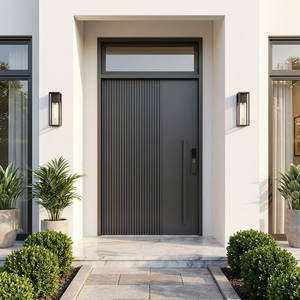
Modern Large Wrought Iron Pivot Door Entry Custom Design Exterior Front Security Anti-Theft For Apartment Outdoor Hall Villa
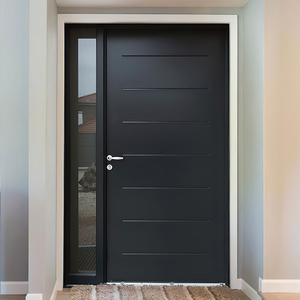
New Design Luxury High Grade Noise Preventive Heat Insulation Waterproof Zinc Galvanized Alloy Main Security Exterior Front Door
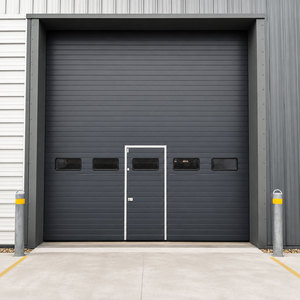
Large Size Heavy Duty Industrial Sectional Overhead Door For Factory Exterior Entrance
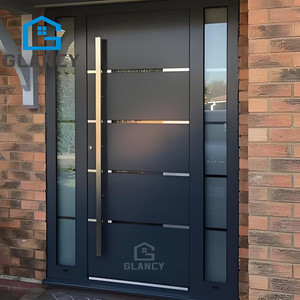
Exterior American Door House Other Front Stainless Pivot Main Entrance Front Entry Pivot Steel Security Doors
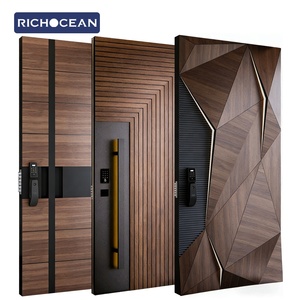
Richocean Luxury Bulletproof lamborghini Front Entry Door Aluminum Storm Security Voordeur Residential Doors
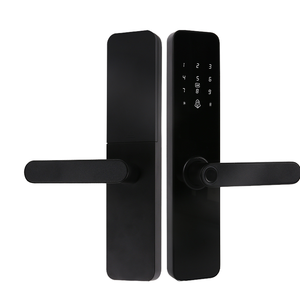
TTLOCK Smart WiFi Lock Aluminum Alloy Wood Door Fingerprint Password Electronic Door Lock Tuya App Cloud Storage Grade Security
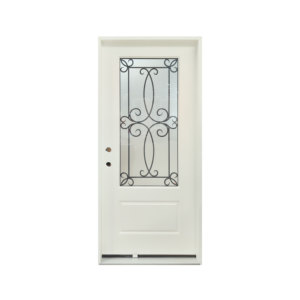
Weather-Resistant Red Entry Door with Geometric Leaded Glass & Raised Panel Traditional Exterior Door for Residential Entrance
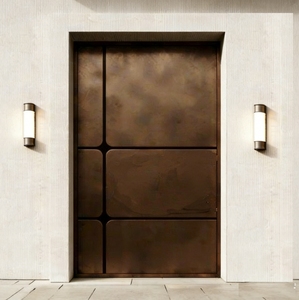
Give $500 Cash Coupon Modern Style Entry Pivot Door
The Strategic Shift to Extruded Aluminum & Glass Entry Door Systems
An authoritative report on structural performance, thermal mitigation, design freedom, and life-cycle economics in modern entrance design.
In contemporary commercial and high-end residential architecture, main entrance doors are no longer simple functional barriers; they are key components of the building envelope, sound mitigation systems, and energy performance barriers. Historically, high-end construction relied on heavy wrought iron, solid tropical timber, or standard galvanized steel security doors. However, global architectural practices are increasingly specifying China wholesale aluminum glass entry doors engineered with broken-bridge (thermal break) technology and structural glazing.
Why Global Developers Are Moving Away from Traditional Materials
Traditional entrance materials present persistent challenges in coastal, tropical, and severe winter climates:
- Solid Hardwood Doors: Prone to swelling, splitting, and frame binding caused by humidity changes, requiring costly refinishing every 18–24 months.
- Wrought Iron & Carbon Steel: Susceptible to localized galvanic corrosion and thermal bridging. Without continuous thermal breaks, iron doors conduct cold into interior spaces, causing condensation, mold, and elevated HVAC loads.
- Uninsulated Vinyl & Composite Systems: Lack the structural stiffness required for large openings exceeding 3.0 meters in height, leading to sash deflection under high wind loads.
Extruded aluminum glass entry systems resolve these issues by using multi-chambered 6063-T6 aluminum profiles bonded with structural polyamide (PA66) thermal breaks. This construction resists thermal bridging, stands up to hurricane-zone wind pressure (ASTM E330 testing standards), and supports triple-glazed low-emissivity glass units weighing up to 800 kg per panel.
Comparative Matrix: Architectural Material Performance
This data visualization highlights key technical parameters across primary entrance door materials specified in international construction schedules:
| Performance Metrics | Thermal Break Aluminum Glass Entry | Wrought Iron Entry Door | Solid Hardwood Door | Standard Galvanized Steel |
|---|---|---|---|---|
| Thermal Conductivity (U-Factor) | 0.18 – 0.28 BTU/h·ft²·°F | 0.65 – 0.95 (High Bridging) | 0.35 – 0.48 (Moderate) | 0.45 – 0.60 (Poor) |
| Structural Wind Load Resistance | ASTM E330 / Up to 5000 Pa | High Structural Mass | Medium / Risk of Warp | High / Risk of Denting |
| Air & Water Infiltration Sealing | Triple EPDM Gaskets (<0.01 cfm/ft²) | Sweep Seals (Moderate) | Weatherstripping (Degrades) | Standard Foam Gaskets |
| Surface Coating Longevity | AAMA 2605 PVDF (20+ Years) | Paint / Powder Coat (Rust prone) | Varnish (Needs frequent renewal) | Zinc Galvanized Paint |
| Max Single Panel Height | Up to 4.5 Meters | 3.0 Meters (Hinge limits) | 2.4 Meters (Weight limits) | 2.7 Meters |
| Smart Access Integration | Seamless CNC Hardware Pockets | Surface Surface Mount Only | Chiseled / Custom Cut | Stamped Factory Cutouts |
Technical Anatomy of a High-Performance China Aluminum Glass Entry System
Detailed engineering specifications required when sourcing commercial and custom residential entrance doors from certified Chinese OEM suppliers.
PA66 Polyamide Thermal Barrier
Standard aluminum is a natural thermal conductor. Premium aluminum entry doors use imported Technoform or DuPont PA66GF25 (25% fiberglass reinforced polyamide) thermal break strips. This mechanical barrier prevents thermal energy transfers, eliminating interior frame condensation and reducing HVAC power consumption by up to 35%.
Architectural Structural Glazing
Glass pivot doors utilize double or triple insulated glass units (IGUs) composed of tempered outer lites, argon-gas insulated cavities, and SGP (SentryGlas Plus) structural laminated inner lites. Low-E coatings selectively reflect solar heat while retaining interior warmth, meeting warm-climate and cold-climate building codes globally.
Heavy-Duty Hydraulic Pivot Hinges
For oversized entrances, heavy pivot hardware replaces traditional side hinges. High-torque stainless steel hydraulic floor pivots (DormaKaba or FritsJuken equivalent) support sash weights up to 1000 kg with 90-degree hold-open functionality, smooth hydraulic dampening, and fully concealed floor boxes.
Multi-Point Locking & Security
Security doors feature multi-point gearboxes that engage heavy stainless steel deadbolts along the top, side, and bottom of the frame simultaneously. Anti-pry latch plates, bullet-resistant glass options (EN 1063 BR4-BR7 standard), and reinforced lock pockets prevent forced entry.
AAMA 2605 Fluorocarbon Coating
To resist harsh UV exposure and salt spray corrosion, aluminum profiles undergo 100% chromate-free pretreatments followed by AAMA 2605 compliant PVDF (Fluorocarbon) resin baking. This coating protects against chalking and color fading for over 25 years in severe coastal microclimates.
Integrated IoT Access Control
Smart aluminum entry doors arrive factory-milled for integrated biometric access, cloud-synced keypad systems (Tuya / TTLock platform support), encrypted RFID scanners, and motorized automatic locking mechanisms powered by 12V backup supply lines.
Future Sourcing & Procurement Trends in Aluminum Entry Systems
Key market shifts shaping direct B2B sourcing, manufacturing automation, design preferences, and compliance standards over the next decade.

1. Ultra-Slim Sightlines & Monumental Pivot Panels
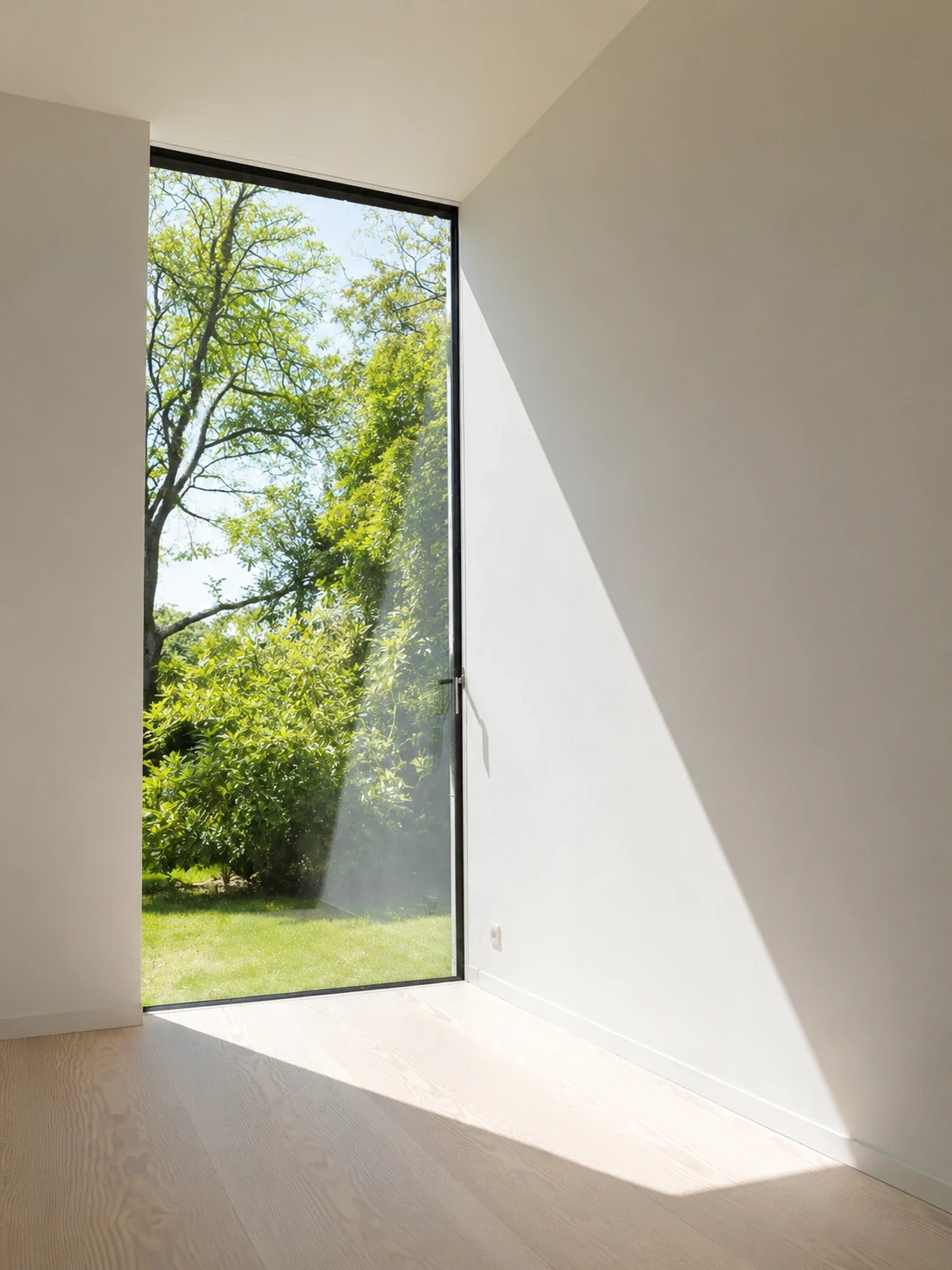
Architectural preferences lean heavily toward minimalist design languages. Future procurement demand is rapidly shifting from multi-pane traditional doors to single monumental glass pivot doors reaching heights of 4.0 to 5.0 meters with frame sightlines under 25mm. Advanced structural silicone bonding and high-modulus carbon-fiber internal stiffeners allow Chinese factories to produce large glass doors without visible structural bowing.
2. Smart Electrochromic & Dynamic Privacy Glazing
Blinds integrated between glass panes are being replaced by Switchable Polymer Dispersed Liquid Crystal (PDLC) Smart Glass. At the touch of a button or via smart home automated triggers, transparent entry doors turn completely opaque within 10 milliseconds, providing instant privacy without compromising light transmission when deactivated.
3. Low-Carbon Recycled Aluminum & EPD Certification
Environmental standards in Europe (CE/EN15804) and North America (LEED v4.1) require verified Environmental Product Declarations (EPDs). Leading OEM factories in China are adopting hydro-powered smelting processes and utilizing up to 75% post-consumer recycled aluminum content, significantly reducing embodied carbon emissions per door unit while maintaining structural T6 hardness.
4. Direct BIM/CAD Integration & 3D Shop Drawing Workflows
Overseas procurement is moving away from generic static catalog ordering. Direct factory ordering relies on building information modeling (BIM) files and custom shop drawing sign-offs. Modern China manufacturers deliver complete Revit/BIM 3D models with parametric dimensions, allowing project teams to evaluate door fitment, rough openings, and structural deflection before fabrication.
Primor Metal Door Co., Ltd. — Direct China Factory Advantage
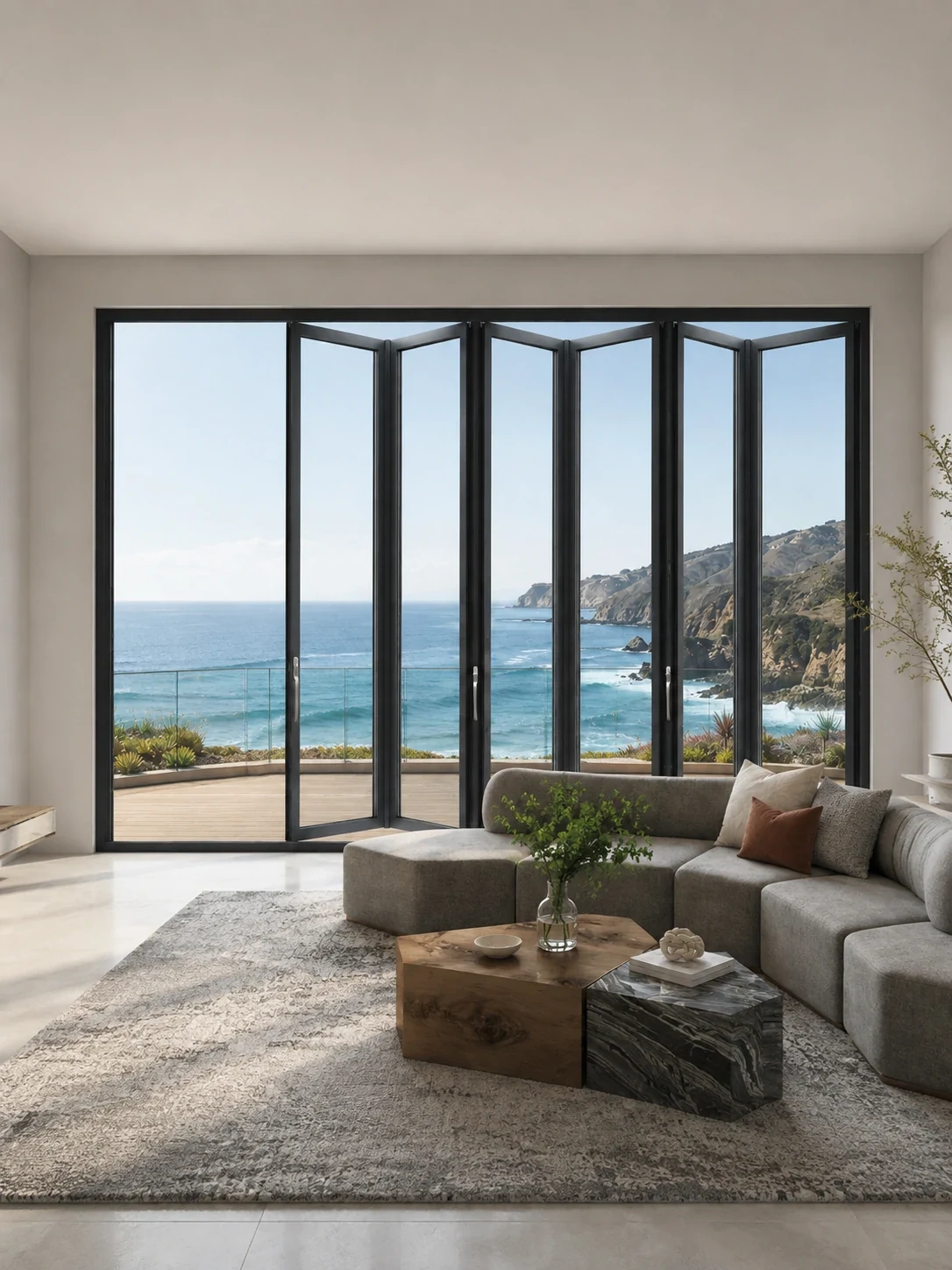
As a custom manufacturer of high-end aluminum windows, glass pivot entry doors, sliding and folding systems, pergolas, and sunrooms, Primor combines automated factory production with localized service networks.
Made-To-Measure Project Engineering
Every single unit is built to your exact architectural drawings and window schedules. Our engineering team verifies rough opening dimensions, wind load pressures, and structural clearances, issuing detailed CAD shop drawings for sign-off prior to production.
U.S. Showroom & Technical Support Network
Reduce international sourcing risk with direct access to our physical showrooms in Los Angeles (City of Industry, CA), Bay Area (Union City, CA), Houston (Sugar Land, TX), Dallas (Plano, TX), and Phoenix (Mesa, AZ). Inspect profile sections, handle finishes, and review operating samples locally.
Complete Extrusion & Thermal Break Series
Choose from our full range of thermal break extrusion series (Series 105, Series 119, Series 77, Series 88, and Series 150) engineered for smooth operation, sound insulation, and thermal efficiency across both hot desert climates and sub-zero weather zones.
Export-Ready Protective Crating & Logistics
Units are packaged with protective corner guards, moisture-barrier shrink wrap, foam separation, and custom OSB/plywood steel-strapped crates. Every crate is clearly labeled by building opening number for organized unloading on job sites worldwide.
Frequently Asked Procurement Questions (B2B FAQ)
Key questions asked by international buyers, architects, contractors, and importers when sourcing wholesale aluminum glass entry doors from China.
Yes. We operate a made-to-measure manufacturing facility. Every aluminum entry door, glass pivot door, or window unit is custom fabricated based on your project's architectural drawings or door schedules. Before cutting aluminum extrusions, our engineering department creates complete 2D/3D CAD shop drawings detailing frame depths, glass specs, hardware placements, and sill details for your review and formal approval.
A thermal break door uses high-density polyamide (PA66GF25) structural insulation strips to physically separate the exterior aluminum extrusion profile from the interior aluminum frame. Because raw aluminum naturally conducts heat, an uninsulated frame allows winter heat loss or summer heat gain. The thermal break breaks this conductive loop, dramatically lowering the door's overall U-Factor, preventing interior surface condensation, and meeting strict Energy Star, NFRC, and Title 24 building energy standards.
To provide a detailed technical proposal and itemized factory pricing, please supply: (1) Architectural elevation drawings or door/window schedule sizes; (2) Preferred operation type (hinged swing, offset pivot, sliding, bi-fold); (3) Glass specifications (e.g., double low-E tempered, triple glazed, laminated privacy, bulletproof); (4) Desired frame finish (RAL powder coating color, anodized color, or sublimated wood grain); and (5) Project delivery location and structural wind-load requirements.
Pivot doors require engineering around the top and bottom pivot axes. Primor uses multi-layer drop-down perimeter EPDM compression seals combined with concealed weather-stripping channels and low-profile drain sills. When the door closes, automatic drop seals drop down to press tightly against the threshold, effectively blocking wind-driven rain and air leakage in accordance with ASTM E283 (air infiltration) and ASTM E331 (water penetration) testing standards.
Yes. Prospective commercial buyers, developers, and architects can visit our U.S. showroom locations in Los Angeles (City of Industry, CA), the Bay Area (Union City, CA), Houston (Sugar Land, TX), Dallas (Plano, TX), and Phoenix (Mesa, AZ) to inspect working pivot doors, sliding panel displays, corner joinery, and finish swatches. For international buyers outside the United States, express sample kits containing profile cross-sections, corner keys, hardware options, and color chips can be dispatched directly to your office.
For coastal and high-salinity applications, we recommend our AAMA 2605 compliant PVDF (Fluorocarbon 70% Kynar 500) wet spray coatings or Class I Anodized (25-micron thickness) finishes. These surface treatments withstand acidic salt spray testing (ASTM B117) for over 3,000 continuous hours without blistering, peeling, or chalking, ensuring structural and aesthetic longevity on oceanfront sites.
Our aluminum entry doors feature precise CNC-milled lock pockets compatible with a wide range of smart access hardware. We offer integrated TTLock and Tuya WiFi/Bluetooth smart locks supporting 3D facial recognition, biometric fingerprint scanning, anti-peep digital keypads, RFID keycards, and remote smartphone app unlocks. We can also pre-wire profile channels for integration with commercial building automation and electric strike systems.
Standard factory production lead time is typically 25 to 35 working days following final shop drawing approval and deposit receipt. Orders are packed into custom fumigated plywood crates reinforced with internal corner cushioning and steel band straps. We handle complete export customs documentation, ISF filings, ocean freight booking (FCL container or LCL bulk freight), and delivery coordination directly to your port of entry or job site.