Featured CE Certified Secure Entry Door Systems
Factory-direct customized thermal break entrance doors, heavy-duty pivot structures, and biometric smart lock access systems engineered for international architectural compliance.
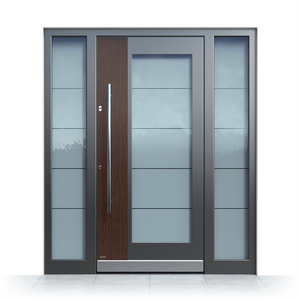 Swing Style
Modern Minimalist Aluminum Entrance Door Security Swing Open Style Aluminium Front Doors Waterproof Feature Front Entry Door
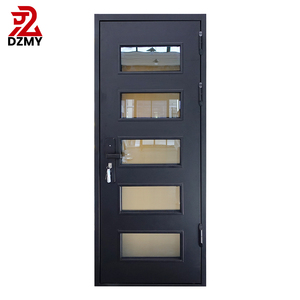 Steel-Glass Composite
Custom Steel Glass Door Entrance Design Frame Ideal For Apartments Villas Weatherproof For Long Life Steel Glass Door
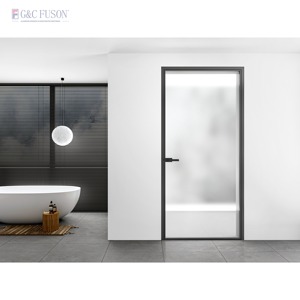 Acoustic Shield
Fuson Soundproof Customized Casement Aluminium Alloy Glass Door Exterior Security Entrance Steel Main Doors
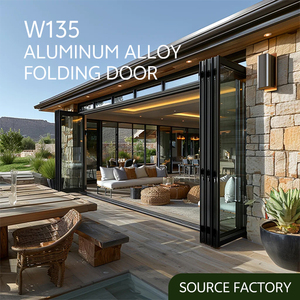 NFRC Certified
NFRC Aluminium Balcony Accordion Door Thermal Break Double Tempered Glass Exterior Bi Folding Sliding Bi-fold Patio Doors
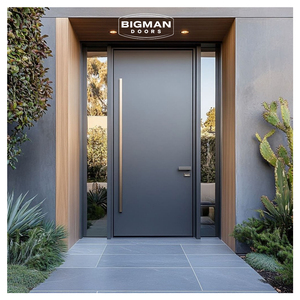 Heavy-Duty Pivot
British Modern Minimalist Dark Grey Matte Security Pivot Door Heavy Metal Entry Door Anti-Theft Feature Exterior Villa Kitchen
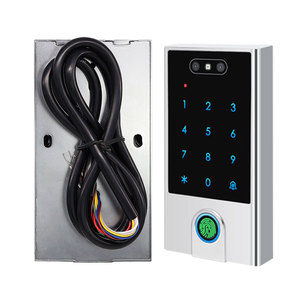 Biometric IoT
TTlock Waterproof Biometric Fingerprint Face Smart Door Access Control ID Card Code Aluminium Door For Easy Access
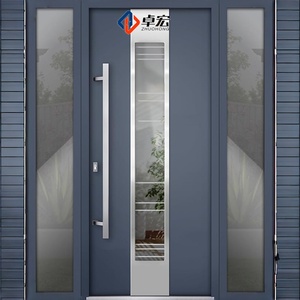 Stainless Pivot
Exterior Entrance Stainless Steel Door 36 Inch Exterior Pivot Doors With Smart Lock
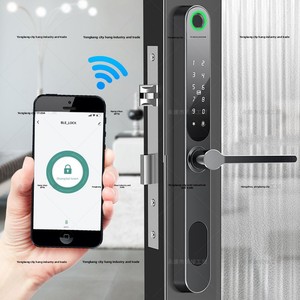 Broken Bridge System
Broken Bridge Aluminum Fingerprint Smart Lock for Door Waterproof Tuya Password Model F9SE
Primor Metal Door Co., Ltd.: Engineering Superiority & Global Supply Chain Reliability
As an industry-leading manufacturer specializing in architectural aluminum entry door systems, custom thermal break windows, pergolas, and structural glass sunrooms, Primor Metal Door Co., Ltd. serves as a direct engineering partner for global architects, real estate developers, commercial contractors, and façade importers.
Unlike off-the-shelf suppliers offering rigid catalog dimensions, Primor operates a drawing-driven manufacturing model. Every entrance door system is custom-extruded and precision-machined from high-tensile 6063-T6 aluminum alloy profiles, integrated with German-engineered PA66GF25 polyamide thermal insulation strips to guarantee maximum energy efficiency and zero structural condensation.
- U.S. Localized Presence: Strategic showroom & engineering hubs located in Los Angeles, Bay Area, Houston, Dallas, and Phoenix to support direct client consultation and technical measurement.
- Rigorous Quality Compliance: Fully certified under CE (EN 14351-1), NFRC thermal standards, PAS 24 security testing, and ISO9001 quality management benchmarks.
- Structural Weatherproofing: Double and triple EPDM perimeter compression gaskets paired with isobaric drainage channels to withstand wind-driven rain up to 900 Pa.
- Heavy Export Packing: Custom fumigated plywood crates with protective PE wrap, corner guards, and individual opening tags for zero-damage jobsite arrival.
Comprehensive Project Quality Control Protocol
Our factory applies a strict 5-stage quality audit to eliminate installation errors before container loading:
Technological Development Trends in Aluminum Entry Door Systems
The global architectural envelope sector is undergoing a profound paradigm shift driven by stringent energy codes, digital security integration, and extreme weather resilience. Below is an engineering overview of key innovations shaping high-end entrance systems.
1. Multi-Chamber Thermal Decoupling & Passivhaus Standard
Modern aluminum entry doors are shifting from single-bridge insulation to complex multi-chamber polyurethane foam-filled thermal profiles. Combined with warm-edge spacer bars and Low-E triple glazing filled with 90% Argon gas, thermal transmittance values have reached down to U-Factor ≤ 0.85 W/m²K (Passive House certified level).
2. Biometric IoT & Concealed Motorized Multi-Point Locks
Mechanical keyways are rapidly giving way to fully integrated smart access hubs. Modern entry systems seamlessly embed 3D structured-light facial recognition cameras, optical fingerprint sensors, and encrypted Bluetooth/Tuya/TTLock modules directly into door handles or profile stiles, powering automatic motorized hookbolts that lock upon closure.
3. Oversized Heavy-Duty Pivot Hardware Engineering
Architectural demand for dramatic building entrances has spurred the growth of oversized aluminum pivot doors reaching heights of up to 4.5 meters and weights up to 500kg. Floor-concealed hydraulic pivot hinges with adjustable closing speeds and 90-degree hold-open functions allow effortless fingertip operation without structural sag.
4. European EN 1627 Burglar Resistance (RC3/RC4 Class)
Security engineering now emphasizes physical defense against sophisticated forced entry tools. Modern CE-compliant doors feature anti-drill manganese protective plates surrounding lock cylinders, anti-pry hookbolts, continuous hinge-side locking pins, and impact-resistant laminated security glass (P4A/P5A level).
5. Advanced Surface Coatings & Sublimation Wood Grains
To resist severe coastal salt-spray corrosion (ASTM B117 testing > 2000 hours), profile finishes have evolved into Qualicoat Class 2/3 fluorocarbon PVDF powder coatings and hyper-realistic Italian thermal-transfer sublimation wood finishes, combining natural timber aesthetic warmth with zero-maintenance metallic durability.
6. Environmental Decarbonization & Recyclable Aluminum
With green building certifications (LEED v4.1, BREEAM) gaining priority, aluminum entry door manufacturing utilizes hydro-powered low-carbon primary aluminum billets and recycled scrap loops, enabling up to 95% material circularity at the end of the building envelope lifecycle.
Future B2B Procurement Trends for Commercial Contractors & Developers
Global procurement for structural window and door packages is migrating away from fragmented regional distribution toward direct manufacturer-contractor integration. As lead times, price volatility, and stringent regional energy codes strain project schedules, developers and general contractors must adopt forward-looking procurement methodologies.
Core Procurement Takeaway for 2026+: Sourcing successful entrance systems requires moving beyond unit FOB costs. Buyers must evaluate full-envelope engineering compatibility, certified thermal U-values, factory-controlled assembly testing, and structural warranty backing.
1. Drawing-Driven BIM/CAD Integration Over Catalog Standardisation
Modern architectural projects feature non-standard rough openings, custom sidelight glazing, transom combinations, and precise floor threshold flush details. Procurement trends prioritize manufacturers capable of accepting Revit/BIM models or AutoCAD shop drawings to produce exact shop approval drawings before profile extrusion. This eliminates costly jobsite modifications and guarantees smooth interface integration with curtain walls or masonry reveals.
2. Comprehensive Lifecycle Costing & Energy Code Compliance
With energy tariffs rising and municipalities enforcing strict carbon emissions targets (e.g., California Title 24, IECC 2024, European EPBD), initial door purchase prices represent only a fraction of lifetime building operational costs. In response, procurement officers specify thermally broken aluminum entry doors equipped with warm-edge insulated glass units. Investing in superior insulation profiles reduces HVAC load requirements, yielding measurable payback within 3 to 5 years.
3. Compliance-First Verification: Navigating CE, NFRC & Wind Load Certificates
International commercial buyers face heavy regulatory exposure when importing unverified building materials. Leading procurement teams insist on third-party certified test reports for:
| Certification Standard | Testing Authority / Metric | Target Performance Threshold | Engineering Significance |
|---|---|---|---|
| CE EN 14351-1 | European Harmonized Standard | Pass / Mandatory Marking | Mandatory legal compliance for EU market entry & structural safety. |
| NFRC 100/200 | National Fenestration Rating Council | U-Factor ≤ 0.28 BTU/h·ft²·°F | Verified energy performance rating required across North American regions. |
| EN 1627 / PAS 24 | Intruder Resistance Testing | RC2 / RC3 / RC4 Class | Validates resistance against mechanical force, levers, drills, and impact. |
| ASTM E330 / E1886 | Structural Wind & Missile Impact | Design Pressure (DP) ≥ +50/-50 PSF | Ensures integrity in hurricane-prone coastal regions and high-rise facades. |
4. Risk Mitigation via Direct Factory QC & Pre-Shipment Pre-Assembly
Distance and long shipping lines make site errors catastrophic to construction schedules. Advanced procurement strategies mandate factory video mock-up inspections, where every customized door panel, pivot system, smart lock sensor, and threshold assembly is fully fitted, operated, and verified for squareness prior to crating.
Entry Door System Architectural Comparison
Compare core physical performance parameters across our primary structural aluminum door configurations to select the ideal system for your architectural project.
| System Classification | Thermal U-Value (W/m²K) | Security Rating | Max Panel Height / Width | Acoustic Insulation (Rw) | Weather Tightness (Water/Air) |
|---|---|---|---|---|---|
| Thermal Break Swing Entry Door | 1.1 – 1.4 | RC3 Certified | 2,800mm × 1,200mm | 38 dB – 42 dB | Class E900 Water / Class 4 Air |
| Heavy-Duty Architectural Pivot Door | 1.3 – 1.6 | RC3 / RC4 Class | 4,500mm × 2,200mm | 35 dB – 40 dB | Class E750 Water / Class 4 Air |
| Biometric Smart Broken Bridge Door | 1.0 – 1.3 | RC3 Class | 2,600mm × 1,100mm | 40 dB – 44 dB | Class E900 Water / Class 4 Air |
| Steel-Glass Composite Entrance Door | 1.4 – 1.8 | RC2 / RC3 Class | 3,000mm × 1,400mm | 36 dB – 40 dB | Class E750 Water / Class 3 Air |
| Thermal Bi-Folding Exterior Door | 1.2 – 1.5 | RC2 Certified | 3,500mm × 1,000mm / panel | 35 dB – 38 dB | Class E750 Water / Class 4 Air |
Procurement & Engineering FAQ
Detailed technical answers to common queries raised by architects, façade engineers, structural consultants, and commercial building material importers.
What CE certification standards apply to exterior secure aluminum entry doors, and how is intruder resistance verified?
Exterior pedestrian doorsets in European markets must comply with CE EN 14351-1, which regulates dangerous substances, water tightness, air permeability, resistance to wind load, and thermal transmittance. Intruder security is separately tested under European Standards EN 1627 through EN 1630.
To achieve an RC3 (Resistance Class 3) rating, the entire door system—including profile walls, corner joinery, glass glazing bead retention, hinges, lock cylinders, and multi-point hookbolts—must withstand a continuous 5-minute manual break-in attack using heavy mechanical tools such as crowbars, steel pin punches, screwdrivers, and hand drills without suffering panel displacement or latch displacement.
How does PA66GF25 thermal break technology prevent condensation and improve energy performance in severe climates?
Aluminum is inherently a high-conductivity metal (heat conduction coefficient approx. 200 W/m·K). Without a thermal decoupling barrier, heat rapidly escapes during winter, and extreme radiant heat penetrates indoors during summer, causing indoor moisture to condense on cold interior aluminum profiles.
A PA66GF25 thermal break strip consists of Polyamide 66 reinforced with 25% glass fiber. This material matches the thermal expansion coefficient of aluminum, preventing structural shear fatigue while dropping thermal conductivity down to ~0.3 W/m·K (over 500 times lower than raw aluminum). This creates an isolated thermal barrier that stops condensation formation even when outdoor temperatures dip below -20°C.
What architectural considerations are required when deciding between a hinged entry door and a heavy-duty pivot entry door?
The choice depends on rough opening width, structural load bearing, and weather tightness requirements:
- Hinged Swing Doors: Best suited for standard widths (up to 1,200mm). Hinges mounted on the side stile allow full compression of continuous EPDM perimeter seals, achieving maximum air (Class 4) and water tightness (Class E900) ratings for exposed weather facades.
- Pivot Entrance Doors: Engineered for grand openings (width > 1,400mm up to 2,500mm; height up to 4,500mm). The pivot axis is offset 200mm–400mm from the frame side, transferring panel weight directly into the floor slab via concealed hydraulic pivots. Special drop-down automatic acoustic air-seals are required at top and bottom thresholds to maintain perimeter sealing.
How does Primor integrate smart biometric access locks (TTLock / Tuya / Face ID) without compromising security or thermal seal integrity?
Retrofitting surface-mounted smart locks onto insulated profiles often creates thermal leaks or weakens structural lock boxes. Primor solves this through in-factory CNC mortise milling directly into outer profile chambers prior to thermal strip assembly.
Smart electronic modules (3D Face ID camera, biometric fingerprint sensors, capacitive keypads) feature IP65 waterproof sealant encasements. Electronic lock bodies trigger heavy-duty motorized steel hookbolts (3 to 5 lock points) that pull the door tightly against perimeter rubber gaskets upon closure, maintaining thermal compression while providing keyless IoT convenience via encrypted TTLock or Tuya apps.
What export packaging and logistics protection standards ensure safe transit for international shipping?
To safeguard high-finish fluorocarbon or anodized surfaces during multi-week ocean transport, Primor enforces a multi-tier export packaging standard:
- Protective Film Wrapping: 0.08mm anti-scratch protective film applied over all metal profile surfaces.
- Corner Protection & Foam Padding: High-density EVA foam corner buffers and bubble wrap enclosing frame edges.
- Honeycomb Hardboard Sheathing: Outer cardboard panels protecting glass IGUs and hardware handles from impact.
- Fully Enclosed Fumigated Plywood Crates: Heavy steel-strapped wooden crates with solid skids designed for forklift handling and zero container movement.
Can Primor aluminum entry doors satisfy structural hurricane-impact and wind-load standards for coastal installations?
Yes. For high-velocity hurricane zones (HVHZ) or extreme wind coastal regions, we supply engineered door packages with reinforced wall thickness (up to 3.0mm) and high-moment-of-inertia internal steel stiffeners. Glazing specs are upgraded to SentryGlas® (SGP) laminated impact glass, passing ASTM E1886/E1996 large missile impact tests and high cyclic pressure loading (DP rating up to +70/-70 PSF).
What is the step-by-step OEM/ODM order process from CAD drawing submission to jobsite delivery?
Our OEM/ODM workflow is structured to guarantee 100% accuracy before production begins:
Step 1: Technical Review & Quotation: Submit architectural elevations or opening schedules. Our engineering department verifies structural spans, wind load requirements, and thermal targets within 24 hours.
Step 2: Shop Drawing Sign-Off: We issue detailed CAD shop drawings illustrating section profiles, glass makeup, threshold drain details, and hardware placement for your official approval.
Step 3: Sample & Finish Verification: Profile cut-offs, glass swatches, and powder coating color chips are dispatched via express courier upon request.
Step 4: Precision Extrusion & CNC Fabrication: Machining, thermal crimping, corner glue injection, and surface finishing occur under strict ISO9001 QA supervision.
Step 5: Pre-Assembly QC & Export Crating: Full factory mock-up inspection followed by crating and container loading with complete export documentation (CO, Form E, CE Declaration of Performance).