0%

Why Choose a Luxury Aluminum Entry Door?

A Luxury Aluminum Entry Door can transform a home’s first impression. It creates a crisp boundary between the street and the interior. Picture a slim bronze frame, clear glass, and a quiet latch closing with precision. The effect feels architectural, not ordinary.

Gary Katz, a respected door and hardware educator, often emphasizes, “A door is only as good as its installation.” His point remains essential. Even premium aluminum needs accurate measuring, strong anchoring, careful flashing, and professional adjustment. Without these details, elegance can become an expensive disappointment.

Aluminum offers several practical advantages. It resists warping, insects, and everyday moisture better than many traditional materials. Modern thermal breaks can also improve comfort near the doorway. Powder-coated finishes provide consistent color and reduce routine maintenance. Some designs support oversized panels, concealed hinges, and advanced access systems.

Still, aluminum is not magic. Poorly designed frames may transfer heat. Weak hardware may loosen over time. An attractive door can also perform badly when its threshold drains poorly. These limitations deserve honest attention.

The best choice balances appearance, insulation, security, durability, and installation quality. It should suit the building, not merely imitate a showroom photograph. Ask about tested performance, finish warranties, drainage design, and replacement parts. Examine the corner joints closely. Feel the seal compress.

A Luxury Aluminum Entry Door becomes truly valuable when beauty and performance work together. Its strength should be noticed quietly, every day. That is the real luxury.
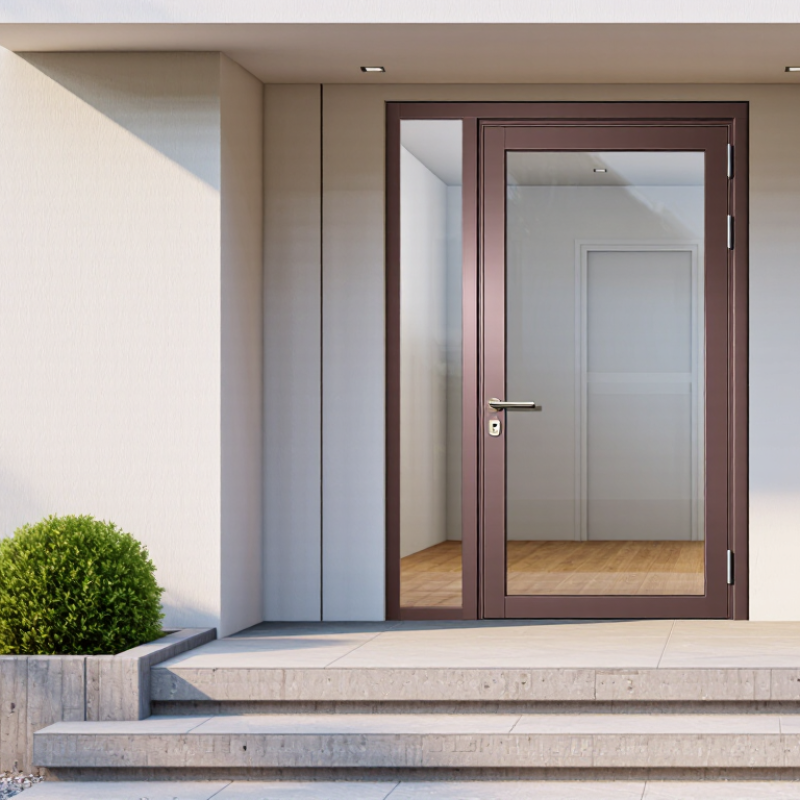
Why Choose a Luxury Aluminum Entry Door?

What Defines a Luxury Aluminum Entry Door

A luxury aluminum entry door is defined by more than its price or polished appearance. In practice, its quality begins with the frame, where precise joints resist movement over time. Thermally broken aluminum reduces heat transfer around the entrance. That detail matters on a cold morning. High-grade finishes should feel even, not overly glossy, and withstand rain, sunlight, and repeated cleaning. The door should open with controlled weight, without scraping or rattling. Small tolerances reveal large differences. Careful installation often matters as much as the door itself. An excellent product can perform poorly when the surrounding wall is measured carelessly.

What truly defines luxury is the balance between engineering and personal use. Concealed hinges, reliable seals, and a secure multi-point locking system create quiet confidence without visual clutter. Clear glazing can brighten a hallway, while textured or opaque glass offers privacy. Custom proportions help the entrance suit a narrow townhouse or a wide modern facade. Yet more features do not automatically create better design. Oversized handles may look impressive but feel awkward with wet hands. This is where thoughtful consultation becomes essential. A specialist should explain thermal values, drainage, maintenance needs, and realistic service expectations in plain language. Aluminum is durable, but its finish can still suffer from harsh chemicals or neglect. Luxury should feel calm, exact, and dependable every day, not merely impressive in photographs.

Key Benefits of Aluminum Construction

A luxury aluminum entry door combines clean geometry with practical performance at the home's most exposed opening. Its strength supports slim frames, wide glass panels, and precise hardware without a heavy visual effect. That proportion can make a narrow hallway feel brighter and more open.

Aluminum resists warping, splitting, and insect damage better than many traditional materials. With a properly designed thermal break, the frame reduces heat transfer around the doorway. This matters on cold mornings, when metal surfaces and interior drafts quickly reveal weak construction. A durable powder-coated finish also limits routine upkeep; a soft cloth and mild cleaner often handle daily dust. Still, aluminum is not flawless. Poor drainage or careless installation can create water problems, even with a premium frame.

Recyclability adds another practical benefit, especially when the door is specified for long service and eventual material recovery. Security depends on the complete system, not aluminum alone. A reinforced frame, multi-point lock, laminated glass, and accurate installation must work together. In real homes, small details matter: tight seals, aligned hinges, and a threshold that sheds rain. I would question any claim that promises zero maintenance or perfect energy savings. Good aluminum construction is more dependable when its design, finish, and installation match the local climate.

Why Choose a Luxury Aluminum Entry Door?

Aluminum offers a lightweight foundation for elegant, durable entry-door systems. Its typical density is substantially lower than steel, while maintaining the strength and design flexibility needed for modern architectural doors.

Representative material densities at room temperature. Exact values vary by aluminum alloy, steel grade, wood species, and fiberglass composition. Lower density generally supports easier handling and reduced frame weight; door performance also depends on the complete system design.

Design, Customization, and Architectural Compatibility

A luxury aluminum entry door is more than a polished entrance. It must support the building’s visual language. Slim sightlines suit modern façades, while textured finishes can soften concrete, stone, or timber surroundings. Aluminum also offers strong dimensional stability, which helps large panels remain aligned through seasonal temperature changes. That matters when a door meets delicate plaster or precision-cut cladding.

Customization should begin with architecture, not a color chart. Consider the threshold height, surrounding window proportions, wall depth, and daily traffic. A pivot door may create drama, but it needs adequate clearance and careful structural planning.

The U.S. Department of Energy reports that windows can represent 25–30% of residential heating and cooling energy use. A glazed entry system therefore deserves attention to low-emissivity glass, insulated cores, thermal breaks, and weather seals. Door performance depends on installation, too. Beautiful specifications cannot correct a poorly prepared opening.

Tips: Request a full-size finish sample. Inspect it beside the façade, not under showroom lighting. Ask for tested thermal and air-infiltration results. Confirm the threshold suits local rain, wind, and drainage conditions. An experienced installer should explain these details clearly. Sometimes, the most expensive-looking design is not the most compatible one. I have seen oversized doors overwhelm otherwise restrained façades. Reconsider scale before adding more decoration. Independent testing standards, such as those published by recognized fenestration authorities, can make comparisons more reliable. Still, real site conditions may expose weaknesses that laboratory numbers cannot predict.

Security, Energy Efficiency, and Weather Resistance

A luxury aluminum entry door should do more than create a polished first impression. It must protect the home, reduce energy loss, and withstand changing weather. In practical installations, a rigid aluminum frame helps maintain alignment around the lock and hinges. That matters when the door is opened repeatedly, exposed to wind, or carrying heavy decorative glass. A multi-point locking system can improve contact along the jamb, but it is not a substitute for strong installation and reliable hardware.

Energy performance depends on the complete door assembly. The U.S. Department of Energy reports that air leakage can represent 25–40% of a home’s heating and cooling energy use. A tight perimeter seal, thermally broken frame, and insulated core can reduce drafts near the threshold. Low-emissivity glazing may also limit unwanted heat transfer. Check the NFRC label for U-factor and Solar Heat Gain Coefficient ratings. Small details matter.

Weather resistance requires measurable testing. Look for assemblies evaluated under ASTM E283 for air leakage and ASTM E331 for water penetration. These tests cannot predict every storm. Still, they offer useful evidence. Aluminum will not rot, but poor drainage, neglected seals, or incorrect flashing can create problems. Even premium doors need inspection. A loose threshold or compressed gasket may quietly weaken performance long before anyone notices.

How to Select and Maintain the Right Entry Door

Why Choose a Luxury Aluminum Entry Door?

How to Select and Maintain the Right Entry Door

Choosing an entry door starts with the building, not the showroom. Measure the opening, wall depth, swing direction, and surrounding clearance carefully. Measure twice. A luxury aluminum door should include a thermal break to reduce heat transfer. This feature improves indoor comfort and can help control energy use. Check the frame thickness, finish quality, locking system, hinges, and weather seals. Ask for documented performance data, including air leakage, water resistance, and structural strength. These details matter more than a dramatic surface finish.

Consider the entrance’s daily conditions. A south-facing door may need a finish that handles strong sunlight. Coastal homes require careful attention to corrosion resistance and drainage. I once underestimated how much grit collects near a threshold. It later affected the seal. Small details can become expensive problems. Professional installation is essential, because an excellent door can perform poorly when the frame is uneven. Confirm that installers follow the manufacturer’s technical instructions and local building requirements.

Maintenance should stay simple and consistent. Wipe aluminum surfaces with clean water and mild soap every few months. Avoid abrasive pads, strong solvents, and pressure directed at seals. Inspect gaskets for cracks, gaps, or flattening. Lubricate hinges and moving locks with a suitable product, unless the hardware instructions advise otherwise. Clear leaves from drainage channels. Test the door after heavy rain or seasonal temperature changes. Keep records of repairs and inspections. I still think appearance receives too much attention, while alignment and sealing deserve equal respect.

Why Choose a Luxury Aluminum Entry Door? - How to Select and Maintain the Right Entry Door

Decision Dimension What to Select Reliable Data or Performance Indicator Maintenance Guidance
Material and Structural Strength Choose thermally improved aluminum profiles with reinforced corners, a rigid frame, and corrosion-resistant hardware. Aluminum offers a high strength-to-weight ratio and is dimensionally stable. A quality entry system should close evenly without frame movement, rubbing, or visible deflection. Inspect the frame, threshold, and fasteners at least once a year. Tighten accessible hardware only according to the installer’s instructions.
Thermal Efficiency Look for a thermally broken frame, insulated door panel, low-emissivity glazing, and continuous weather seals. Compare the whole-door U-factor and air-leakage rating from an independent test or certification label. A lower U-factor indicates better resistance to heat transfer. Check seals for cracking, flattening, or gaps every season. Replace damaged weatherstripping to reduce drafts and moisture entry.
Weather Resistance Select a sloped or properly drained threshold, durable sealant joints, corrosion-resistant finishes, and water-management details suitable for the local climate. Review the door’s tested air, water, and structural performance where available. Water resistance depends on the complete installed assembly, not the panel alone. Keep the sill and drainage channels free of leaves and dirt. Inspect exterior sealant annually and renew it when separation or cracking appears.
Security and Access Control Consider a multi-point locking system, reinforced strike areas, a protected cylinder, and a door viewer or controlled-access hardware. Prefer hardware tested to recognized residential security standards. Laminated glass generally provides better resistance to impact penetration than ordinary single-pane glass. Test every locking point with the door open and closed. Lubricate moving hardware only with the product recommended by the hardware manufacturer.
Glazing Safety Use safety glazing in doors and adjacent hazardous locations. Choose double glazing when improved insulation and comfort are priorities. Tempered glass is designed to break into smaller granules, while laminated glass remains bonded to an interlayer after cracking. Confirm local building-code requirements. Clean glass with a soft cloth and a non-abrasive cleaner. Do not use blades, harsh solvents, or abrasive pads on coated glass.
Surface Finish Choose a high-quality powder-coated or anodized finish in a color appropriate for the exposure level and architectural style. Powder coating creates a bonded protective layer, while anodizing forms a durable oxide layer on aluminum. Actual service life varies with sunlight, salt, pollution, and cleaning practices. Rinse and wash the surface with clean water and a mild pH-neutral detergent two to four times per year; coastal locations may require more frequent cleaning.
Design and Proportions Match the door’s width, height, sightlines, hardware finish, and glazing pattern to the building façade and surrounding windows. A balanced design should maintain consistent reveals around the panel and adequate clearance at the threshold. Oversized doors require verified hinges, pivots, and structural support. Check alignment if the gap around the panel changes, the door drags, or the lock becomes difficult to operate. Use a qualified installer for adjustment of heavy systems.
Accessibility and Everyday Operation Prioritize a low-profile threshold, smooth opening force, lever hardware, and sufficient clear opening for the intended users. Clearances, threshold height, maneuvering space, and opening force should comply with applicable local accessibility requirements. Keep hinges, pivots, tracks, and thresholds clean. Never force the door if resistance increases; identify alignment or hardware problems first.
Installation Quality Use an experienced installer who verifies rough-opening dimensions, sill leveling, flashing, insulation, shimming, and perimeter sealing. Correct installation is essential for air, water, security, and thermal performance. A high-specification door can underperform if the frame is out of square or poorly sealed. Review the installation perimeter after the first wet season and whenever interior drafts, condensation, or water staining are observed.
Cleaning Routine Choose finishes and hardware that can be cleaned with mild soap and water without specialized chemicals. Regular removal of salt, dust, and pollutants helps preserve protective finishes and reduces abrasive wear on moving components. Use a soft sponge or microfiber cloth. Rinse thoroughly and dry the surface; avoid steel wool, abrasive powders, bleach, and strong acidic cleaners.
Long-Term Value Evaluate the complete installed system, including frame, glass, hardware, finish, warranty terms, replacement parts, and service support. The most meaningful comparison is lifecycle performance: energy efficiency, durability, repairability, weather resistance, and expected maintenance—not appearance alone. Keep installation records, finish information, hardware details, and care instructions for future adjustments or replacement-part orders.

Selection note: Product ratings, building-code requirements, climate exposure, and installation methods vary by location. Verify the complete door assembly’s tested specifications before purchase.

FAQS

What makes an aluminum entry door feel luxurious?

Precise joints, smooth movement, reliable seals, and a durable finish matter more than a glossy surface. Small tolerances matter.

Why is a thermal break important?

A thermal break reduces heat transfer through the frame. It can improve indoor comfort during cold mornings and hot afternoons.

What should I check before ordering a door?

Measure the opening, wall depth, swing direction, and surrounding clearance. Measure twice. A careless measurement can create expensive installation problems.

Which performance details should I request?

Ask for documented air leakage, water resistance, and structural strength data. These figures are more useful than dramatic photographs.

Does glass choice affect the entrance?

Clear glass can brighten a hallway. Textured or opaque glass can provide more privacy. The best choice depends on light, views, and daily use.

Why does professional installation matter?

An excellent door may scrape, rattle, or leak if the frame is uneven. Installers should follow technical instructions and local building requirements.

How should I clean an aluminum entry door?

Wipe the surface with clean water and mild soap every few months. Avoid abrasive pads, strong solvents, and high-pressure water near seals.

What maintenance problems should I watch for?

Check gaskets for cracks, gaps, or flattening. Clear leaves from drainage channels. Inspect the door after heavy rain. Small debris can affect the threshold seal.

How can I protect the door’s hardware?

Lubricate hinges and moving locks with a suitable product, unless instructions say otherwise. Test the door gently. Awkward handles deserve attention too.

Is a more feature-rich door always better?

No. Oversized handles, excessive detailing, or unnecessary glass may reduce comfort. Luxury should feel calm, exact, and dependable. I may still overvalue appearance sometimes.

Conclusion

A Luxury Aluminum Entry Door combines refined appearance, lasting performance, and practical functionality to create a memorable entrance for residential or commercial architecture. Defined by high-quality materials, precise construction, and thoughtful detailing, it can be tailored with different sizes, finishes, glass options, panel styles, and hardware to complement both modern and traditional designs. Aluminum provides a strong yet lightweight foundation, offering excellent resistance to corrosion, warping, and everyday wear.

Beyond its visual appeal, a Luxury Aluminum Entry Door can improve security, energy efficiency, and comfort when designed with reliable locking systems, insulated cores, quality weather seals, and energy-conscious glazing. Its resistance to rain, sunlight, wind, and temperature changes also supports long-term performance. Selecting the right door requires careful attention to dimensions, climate, architectural style, installation quality, and maintenance needs. Regular cleaning, hardware inspections, and seal checks can help preserve its appearance and functionality for many years.

Ethan

Ethan

Ethan is a professional marketing specialist with a strong understanding of the company’s products, market trends, and customer needs. Through years of experience in product communication and digital marketing, he transforms complex features into clear, practical, and valuable information for......