0%

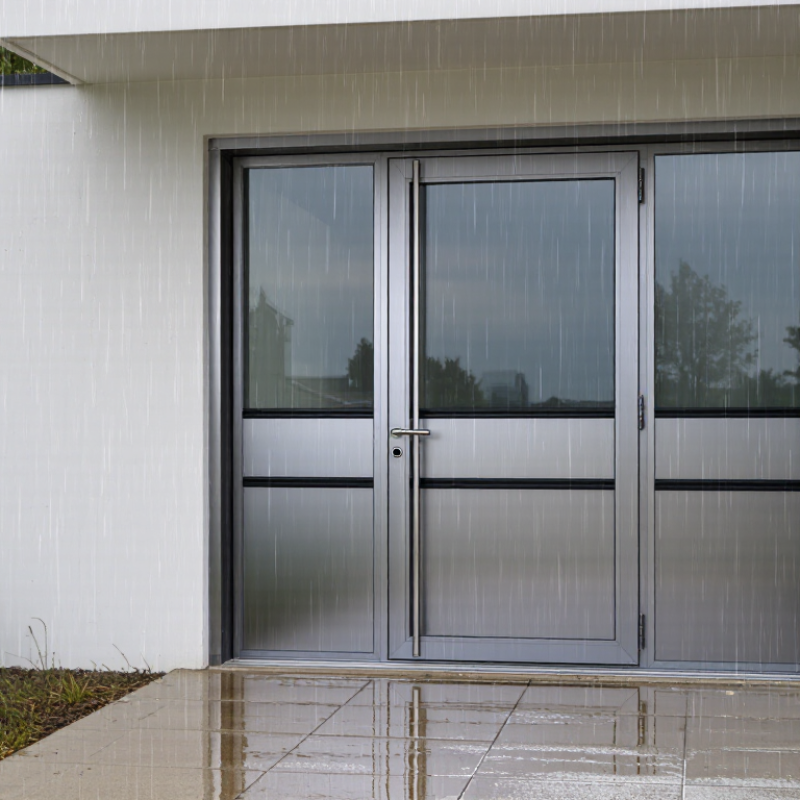
An Aluminum Exterior Door is an entry door whose frame, and often its panels, use aluminum. Homeowners choose it for a clean appearance, useful strength, and relatively low maintenance. But the material alone does not determine performance. The door’s thermal break, glazing, weather seals, hardware, and installation all matter. On a rainy morning, a well-fitted door should close firmly and keep drafts from slipping around its edges. A poorly specified one may not.

Architect Louis Sullivan’s famous principle, “form ever follows function,” offers a useful way to assess this choice. It is not a quotation about aluminum doors specifically, but it applies: appearance should work alongside everyday needs. Look at the door’s finish, frame depth, glass configuration, and stated energy performance. Check how the threshold meets the floor, too. Small details count.

No material is magic. Aluminum can conduct heat, so thermal-break design matters, especially in colder climates. Coastal exposure may call for a finish suited to salt and moisture. And even a well-made door can disappoint if it is installed out of square. This guide explains what an Aluminum Exterior Door is, how its parts work, and what to inspect before choosing one. The details can feel fussy. They are worth checking.
What Is an Aluminum Exterior Door?

Definition and Main Components of an Aluminum Exterior Door

An aluminum exterior door is a weather-facing entry unit built around an aluminum frame and one or more aluminum-clad or aluminum door panels. It separates indoor space from rain, wind, and temperature changes. The exact construction varies: some doors use aluminum throughout, while others combine aluminum skins with an insulated core. That distinction matters. A metal surface alone does not tell you how well the complete door limits heat flow or drafts.

Its main components include the frame, panel, hinges, lockset, weather seals, threshold, and glazing, if fitted. The frame holds the panel and transfers its weight to the wall; hinges and fasteners must suit the door’s size and use. A thermal break, usually a low-conductivity material between inner and outer aluminum sections, helps reduce heat transfer. Seals meet the panel and frame when closed, while the threshold manages the joint at floor level.

Small details count. DOE’s Energy Saver estimates that windows account for 25–30% of residential heating and cooling energy use; that figure is not specific to doors, but it highlights why the surrounding opening and seals deserve attention. NFRC ratings can help compare a complete door’s U-factor and solar heat gain coefficient, rather than judging it by frame material alone.

A weak point can still be the installation. A careful fit is essential.

How Extrusion and Finishing Shape Aluminum Door Frames

What Is an Aluminum Exterior Door?

How Extrusion and Finishing Shape Aluminum Door Frames

An aluminum exterior door uses shaped aluminum sections for its frame and, sometimes, its panels. Extrusion pushes heated alloy through a die to form profiles with tailored chambers, ribs, and drainage paths. These details matter. A rib can stiffen a stile, while a thermal break separates interior and exterior metal to reduce heat transfer.

Still, profile design alone cannot prevent leaks; corners, seals, and installation need equal care.

Finishing protects the surface and shapes its appearance. Anodizing creates an oxide layer within the aluminum, while architectural coatings add a colored surface film. AAMA 611 specifies anodized finishes, including a Class I minimum thickness of 0.7 mil, or about 18 micrometers. Check the specified class, not just the color.

The International Aluminium Institute reports that recycled aluminum production uses about 5% of the energy required for primary aluminum production. That figure informs material choices, but does not predict a door’s lifetime impact. Exposure and upkeep matter.

Inspect cut edges, corners, seals, and drainage slots, where water can linger. A polished sample may not tell the whole story.

Material Profile: Aluminum Density Is About 2.70 g/cm³

What Is an Aluminum Exterior Door?

Material Profile: Aluminum Density Is About 2.70 g/cm³

Aluminum has a density of about 2.70 grams per cubic centimeter, though the exact value varies slightly by alloy. It is much lighter than steel, which is roughly 7.8 g/cm³. That matters. A door made with aluminum profiles can be easier to handle and place than a comparable steel design.

Density alone does not tell you how heavy a finished door will be. Frame shape, wall thickness, glass panels, locks, and hinges all contribute. For example, a broad glazed door may weigh more than a narrow solid panel, even when both use aluminum frames. In practice, check the product’s stated weight rather than estimating from the metal’s density alone.

Aluminum is also relatively easy to form into long, precise frame sections. This helps create slim sightlines, but thin profiles still need suitable design and reinforcement for the opening and expected use. There is a trade-off. Aluminum transfers heat readily, so exterior doors commonly use thermal breaks to reduce heat flow through the frame. Density is a useful starting point, not a complete measure of performance. It is easy to focus on weight and miss comfort, sealing, or installation details.

Thermal and Weather Ratings: NFRC and AAMA Test Measures

What Is an Aluminum Exterior Door?
Thermal and Weather Ratings: NFRC and AAMA Test Measures

An aluminum exterior door is a framed entry door, often fitted with insulated glass and a thermal break. The break separates inner and outer metal surfaces, helping limit heat transfer. NFRC ratings commonly report U-factor and solar heat gain coefficient for glazed doors. A lower U-factor generally means less heat passes through the tested assembly. These figures come from standardized procedures, but apply to a specific product configuration.

AAMA-related testing can assess air leakage, water penetration, and structural performance under specified conditions. These tests help show how a door may handle wind-driven rain or pressure. Check the exact performance class and test results; not every door has the same rating. Size, glass, seals, and hardware can affect performance. Numbers need context. Even a well-rated door may disappoint if it is poorly installed or exposed to conditions beyond its test limits.

Tips: Compare ratings for the same door size and glass setup. Look for clear test documentation, and ask whether the listed results match your intended configuration. Also inspect the sill and weatherstripping details. Labels can be less clear than they should be, so verify what each rating measures before comparing products.

Recycling: Secondary Aluminum Uses About 5% of Primary Production Energy

What Is an Aluminum Exterior Door?

An aluminum exterior door pairs a lightweight frame with panels suited to frequent opening and changing weather. Its environmental story depends partly on the metal’s second life. The International Aluminium Institute reports that recycling aluminum uses about 5% of the energy required to make primary aluminum. The Aluminum Association likewise describes recycled aluminum production as requiring roughly 95% less energy. That matters. Re-melting recovered metal avoids much of the energy-intensive refining used to extract aluminum from ore.

For a door frame, this can make recycled content a meaningful purchasing detail, not just a label. A frame may contain recycled metal, but the share varies by product and supplier. Ask for documented recycled-content figures and whether they refer to pre-consumer or post-consumer material. Coatings, glass, seals, and mixed hardware can also complicate end-of-life recovery. Not quite a closed loop. A clean, separated aluminum frame is generally easier to recycle than a complete door with bonded components attached. Recycling still requires collection, sorting, and suitable processing; the 5% energy figure does not describe every step of a finished door’s life. I would treat it as a strong material advantage, while checking the details behind each product claim.

What Is an Aluminum Exterior Door? — Recycling and Secondary Aluminum Energy Use
Dimension Fact or Typical Characteristic What It Means for an Exterior Door
Door definition An exterior door whose frame, panels, or both are made partly or primarily from aluminum. Construction varies by design; some doors combine aluminum with glass, insulation, or other materials.
Energy for secondary aluminum Recycling aluminum uses about 5% of the energy required to produce primary aluminum from raw materials—approximately 95% less energy. Recovering aluminum from end-of-life products can greatly reduce the energy needed to supply metal for new products, including doors.
Primary versus secondary aluminum Primary aluminum is produced from ore; secondary aluminum is made by remelting recovered aluminum scrap. Recycled content may come from manufacturing scrap or from products collected after use. The amount in a specific door depends on its materials and production.
Recyclability Aluminum can be recycled repeatedly without losing its fundamental material properties. Actual recovery depends on local collection facilities and on separating aluminum from glass, seals, hardware, and other materials.
Material density Pure aluminum has a density of approximately 2.70 g/cm³. Its relatively low density helps keep aluminum components lightweight; a complete door’s weight also depends on its size, glazing, and construction.
Melting point Pure aluminum melts at approximately 660.3°C (1,220.5°F); alloy melting ranges can differ. Scrap can be remelted and processed into new aluminum products. Sorting alloy types helps maintain the desired material specification.
Thermal performance Aluminum conducts heat readily. Some exterior door frames use thermal breaks—insulating sections that reduce heat transfer through the frame. Insulation performance depends on the complete door assembly, including its frame, glazing, seals, and installation; it cannot be determined from the frame material alone.
Recycled-content figure There is no single recycled-content percentage that applies to all aluminum exterior doors. For a specific product, consult its environmental product declaration or manufacturer documentation for recycled-content details.
Energy comparison: The approximately 5% figure compares the energy used to recycle aluminum with the energy used to produce primary aluminum; it is not a claim that every aluminum door contains recycled material.

FAQS

What is an aluminum exterior door made of?

It has a frame, door panel, hinges, lockset, seals, and threshold. Some models also include glazing. Construction varies.

How does a thermal break help?

It separates inner and outer aluminum sections with a less conductive material. This can reduce heat transfer through the frame. It does not guarantee a draft-free door.

What do door energy ratings tell me?

A lower U-factor generally means less heat passes through the tested assembly. Solar heat gain ratings describe how much solar heat enters through glazing. Compare matching sizes and glass setups.

How can I assess weather performance?

Look for test results covering air leakage, water penetration, and structural performance. Check the exact door configuration. Numbers need context.

Can a well-rated door still leak air or water?

Yes. Poor installation, worn seals, or an unsuitable sill can undermine performance. A narrow gap can matter.

What should I inspect around the threshold?

Check that the threshold meets the floor evenly and that weatherstripping contacts the closed panel. A careful fit is essential.

Is recycled aluminum useful for reducing energy use?

Recycling aluminum uses about 5% of the energy needed to produce primary aluminum, according to the article. That figure does not cover every stage of a finished door’s life.

Can an entire aluminum door be recycled?

Separated aluminum is generally easier to recover than a door with bonded glass, seals, and hardware. Ask about documented recycled content. Claims can be unclear, so I would verify the details.

Conclusion

An Aluminum Exterior Door is an entry door built around a frame and door panels made primarily from aluminum. Its main components typically include the frame, stiles and rails, infill panels or glazing, weather seals, hinges, and locking hardware. Aluminum frames are formed through extrusion, a process that shapes heated metal into consistent profiles. Finishing, such as applying a protective coating, can improve appearance and help the surface resist weathering.

Aluminum has a density of about 2.70 g/cm³, making it relatively lightweight while providing a sturdy structure. A door’s thermal and weather performance depends on its design, glazing, seals, and installation. NFRC measures can help describe energy-related performance, while AAMA test measures assess qualities such as air and water resistance and structural performance. Aluminum is also recyclable; producing secondary aluminum from recycled material uses about 5% of the energy required for primary production, making material recovery an important part of its life cycle.

Ethan

Ethan

Ethan is a professional marketing specialist with a strong understanding of the company’s products, market trends, and customer needs. Through years of experience in product communication and digital marketing, he transforms complex features into clear, practical, and valuable information for......