0%

Choosing the right Entry Door in 2026 means balancing security, insulation, durability, and appearance. It is more than a panel at the front of a house. A poorly fitted door can leave drafts around the frame, while a heavy, well-built model may feel reassuring each time it closes. Materials matter, but so do the jamb, hinges, threshold, and installation. Even an excellent door can underperform if the opening is measured incorrectly.

This guide explains how to compare fiberglass, steel, and wood doors, and what to check before buying. Look beyond showroom samples. Ask about the door’s construction, weather seals, finish, warranty, and compatibility with your existing frame. If you live in a region with strong sun, rain, or cold winters, those conditions should shape your choice. Local building requirements can also affect dimensions, glazing, and installation, so verify details with a qualified installer or relevant local authority.

Security is not one feature. A sturdy slab, a reinforced frame, quality locks, and precise fitting work together. Energy performance deserves similar attention; inspect product ratings and sealing details rather than relying on broad claims. Small details matter. A door that sticks in summer, or lets in a thin line of winter light, can quickly become frustrating. Still, no single material suits every home or budget. The best choice depends on your climate, maintenance tolerance, design goals, and the condition of your entryway. A useful decision starts with those facts—not with the most attractive product photo.
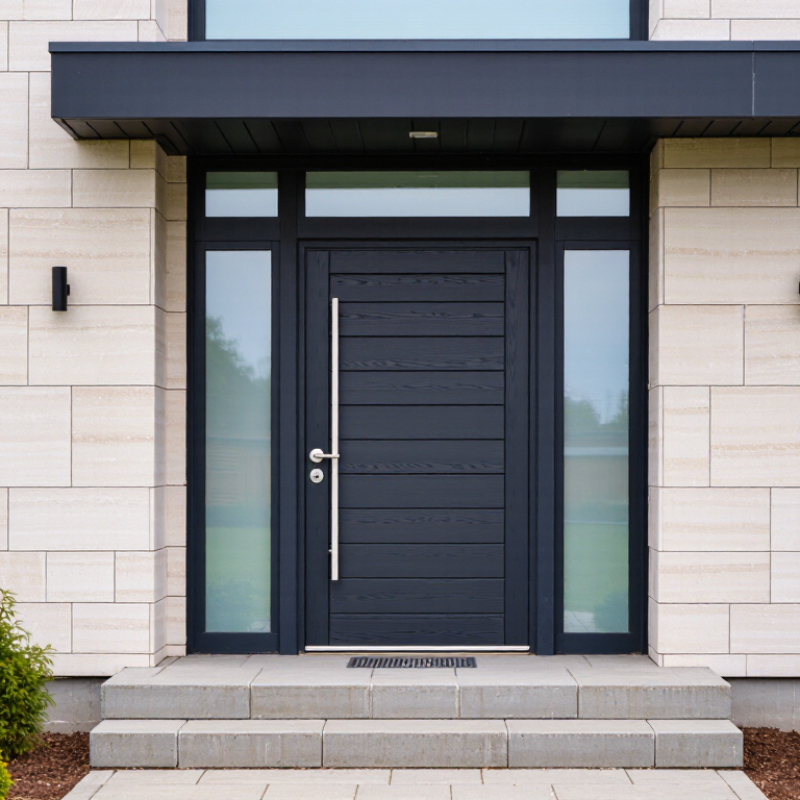
How to Choose the Best Entry Door in 2026?

Define Your Entry Door Needs, Climate, and Home Style

Choosing an entry door starts with daily use, not appearance. Measure the opening, note whether it faces afternoon sun, and check for wind-driven rain. In cold or hot regions, compare the door’s U-factor: a lower value indicates less heat transfer. The U.S. Department of Energy recommends checking energy-performance labels and considering insulated cores. If you want glass, look for low-emissivity glazing and think about glare in the rooms beyond it. Small details matter. A mail slot or worn threshold can undermine an otherwise well-insulated door.

Climate should guide material choice. Fiberglass resists moisture and temperature-related movement; steel offers a sturdy, often insulated option, but its finish can be damaged. Wood brings warmth, yet exposed edges need regular care. Match the style to the house, too: a broad, simple panel may suit a modern facade, while divided glass can echo older trim. I would not choose by resale figures alone. Zonda’s 2024 Cost vs. Value report estimated a 188.1% cost recoup for steel entry-door replacement in its U.S. national averages. That is a remodeling estimate, not a promise of value or proof of energy savings. Check local climate needs, installation quality, and the door’s warranty before deciding.

Compare Door Materials, Construction, and Design Options

Choosing an entry door means comparing more than its surface. Steel doors resist impact and usually cost less, but dents can be difficult to repair. Fiberglass resists moisture and can mimic wood grain, though quality varies with construction. Wood offers warmth and repairability, but needs regular finish care. No material wins every doorway.

Look closely at the full assembly. An insulated core, tight weatherstripping, a stable frame, and a well-fitted sill help limit drafts. Check the National Fenestration Rating Council label for U-factor; a lower number indicates less heat transfer. A decorative glass panel can brighten a dim hall, but it may change the door’s thermal performance. Looks are not enough.

The 2024 Zonda Cost vs. Value report estimated a 188.1% cost recoup for steel entry-door replacement, based on national averages. That figure reflects modeled resale value, not a guaranteed return for every home. Compare the frame, hardware, glazing, and installation details—not just the slab price. I’d still inspect the threshold in person; a tiny gap can undo an otherwise solid choice.

Assess Energy Efficiency, Security, and Weather Resistance

In 2026, assess an entry door as part of the home’s thermal boundary, not just its façade. The U.S. Energy Information Administration’s 2020 Residential Energy Consumption Survey found that space heating used 42% of household site energy, while air conditioning used 8%. Those figures describe whole homes, not doors, but they show why small air leaks deserve attention. Compare NFRC-listed U-factors: lower ratings mean less heat transfer. Check the threshold and weather-stripping, too. A thin line of daylight near the latch is easy to miss.

Security depends on the whole assembly. Look for a solid, well-fitted slab, a reinforced frame, and long screws anchoring the strike plate into the framing. A strong door can still feel vulnerable if it rattles in its frame. For weather resistance, FEMA’s Coastal Construction Manual discusses wind-driven rain and pressure as routes for water intrusion around openings. Inspect the sill, corner seals, and flashing for gaps or soft, swollen wood. I would not choose by material alone; installation quality can undo a door’s best ratings, and that detail is frustratingly easy to overlook.

How to Choose the Best Entry Door in 2026

Compare energy-efficiency targets by U.S. climate zone, then assess security and weather resistance separately.

How to read it: These are maximum U-factor limits for ENERGY STAR certified exterior doors, in Btu/h·ft²·°F. A lower U-factor means less heat transfer; compare a door’s certified rating with the limit for your climate zone.

U-factor does not measure break-in resistance or air and water leakage. For security, check the complete door assembly, lock, frame, and anchoring. For weather resistance, look for tested air- and water-infiltration performance and inspect the weatherstripping and threshold. Source: ENERGY STAR residential exterior door criteria.

Set a Budget and Check Measurements, Codes, and Warranties

Set a complete budget before comparing door materials. Include the slab, frame, hardware, delivery, installation, and any repairs to the surrounding wall. In Zonda’s 2024 Cost vs. Value report, a steel entry-door replacement had an estimated national job cost of $2,355 and a resale value of $4,430. That is a modeled average, not a promise of resale profit; local labor and project conditions can change the figures. Leave room for surprises. Measure the existing opening at the top, middle, and bottom, and check width, height, jamb depth, and whether the door swings inward or outward. A tape measure and a level help catch an uneven frame. Measure twice.

Check local building rules before ordering, since adopted codes and permit requirements vary by location. The 2021 International Residential Code sets minimum dimensions for a required egress door, but the authority having jurisdiction can confirm which edition applies to your home. Also ask whether the new unit needs specific energy-performance ratings for your climate. Read the warranty closely: compare coverage for the slab, finish, glass, hardware, and installation, then note exclusions and claim deadlines. Get promises in writing. A small detail can matter later. I would also photograph the opening and keep the measurements with the quote; it is easy to forget which dimension came from which side.

Choose an Installer and Plan for Long-Term Door Care

When choosing an entry-door installer, ask for a written scope covering measurements, frame condition, flashing, sill protection, and air sealing. Request proof of insurance, recent local references, and clear warranty terms. A neat door can still leak if the sill is poorly supported or the frame is out of square. Ask how the crew will protect the opening if weather changes. Details matter.

The 2024 Cost vs. Value Report by Zonda and Remodeling magazine estimated a national average cost of $2,355 for a steel entry-door replacement, with a $4,430 resale value. That figure is a survey estimate, not a promise of return; local labor, materials, and project scope differ.

Long-term performance also depends on routine care. Check weatherstripping for gaps, tighten loose hinge screws, and keep drainage paths clear. Clean the finish with a soft cloth and follow the door maker’s care instructions. I’d inspect after the first hard rain, too; small leaks can be easy to miss.

Tips: Before signing, confirm who handles trim repair and debris removal. Photograph the threshold and frame after installation. Each spring, test the latch and look for daylight around the closed door. Keep records.

FAQS

Which entry door material should I choose?

Steel resists impact and often costs less, but dents can be hard to repair. Fiberglass handles moisture and can resemble wood grain. Wood feels warm and can be repaired, but needs regular finish care. No single material suits every doorway.

What should I inspect beyond the door surface?

Check the insulated core, weatherstripping, frame, and sill. Look for an even fit around the edges. A small gap matters.

How can I compare energy performance?

Read the door’s U-factor on its rating label. A lower number means less heat transfer. Also inspect the threshold for daylight or drafts.

Does decorative glass affect efficiency?

It can brighten a dim hallway, but may change thermal performance. Compare the glass and the full assembly, not just the door’s appearance.

What details can improve door security?

Look for a solid, well-fitted slab, a reinforced frame, and long screws anchoring the strike plate into the framing. A door that rattles may need closer inspection.

How can I spot possible weather problems?

Check the sill, corner seals, and flashing for gaps. Soft or swollen wood can signal moisture trouble. Tiny details are easy to miss.

Is the door slab price enough for comparing options?

No. Include the frame, hardware, glazing, and installation in your comparison. I’d still inspect the threshold in person; numbers cannot show every gap.

Does a reported resale return guarantee what I will recover?

No. A national estimate is modeled, not a promise for every home. The final result can vary, and that is worth remembering.

Conclusion

Choosing the right Entry Door in 2026 starts with understanding your household’s needs, local climate, and home style. Consider how often the door is used, how much natural light or privacy you want, and which materials, construction methods, colors, and design details will suit your home. Compare options for durability and upkeep as well as appearance, since different materials perform differently in heat, cold, moisture, and changing weather.

Before making a decision, review energy efficiency, security features, and resistance to drafts and rain. Set a realistic budget that includes installation, then measure the opening carefully and check applicable building requirements and warranty terms. A qualified installer can help confirm the door fits properly and performs as intended. With routine cleaning, timely checks of seals and hardware, and appropriate maintenance for the chosen material, your Entry Door can remain comfortable, dependable, and attractive for years.

Amelia

Amelia

Amelia is a professional marketing specialist with a deep understanding of the company’s products, services, and the needs of the people who use them. She regularly contributes expert articles to the company website, turning product knowledge and industry insights into clear, useful guidance. Her......