0%

Choosing the right Aluminium Front Door involves more than selecting a modern colour and attractive handle. A front door must welcome visitors, resist weather, protect your home, and operate smoothly for years. The best choice balances appearance with thermal performance, security, durability, and installation quality.

Start by considering your home’s exposure. A door facing heavy rain or strong afternoon sun may need durable powder coating, effective seals, and carefully selected glazing. Thermal-break aluminium frames can reduce heat transfer, while double or triple glazing may improve comfort near the entrance. Check the door’s tested energy ratings, locking system, hinges, threshold, and warranty. These details often matter more than a showroom photograph.

Small details count.

Experienced installers will also inspect the opening before recommending a size or configuration. An oversized panel may look impressive, yet it can feel heavy and demand stronger hardware. A low threshold may improve accessibility, but it must still manage water correctly. Ask who manufactures the frame, which standards have been tested, and how replacement parts are handled. Reliable suppliers should answer clearly, not hide behind vague promises.

No Aluminium Front Door is perfect for every property. Budget, climate, architectural style, and daily use all change the decision. It is easy to focus on a dramatic handle or fashionable finish and overlook drainage, maintenance, and fitting tolerances. This guide compares those practical factors, helping you choose a door that looks refined on day one and remains dependable after years of opening, closing, rain, dust, and busy family life.
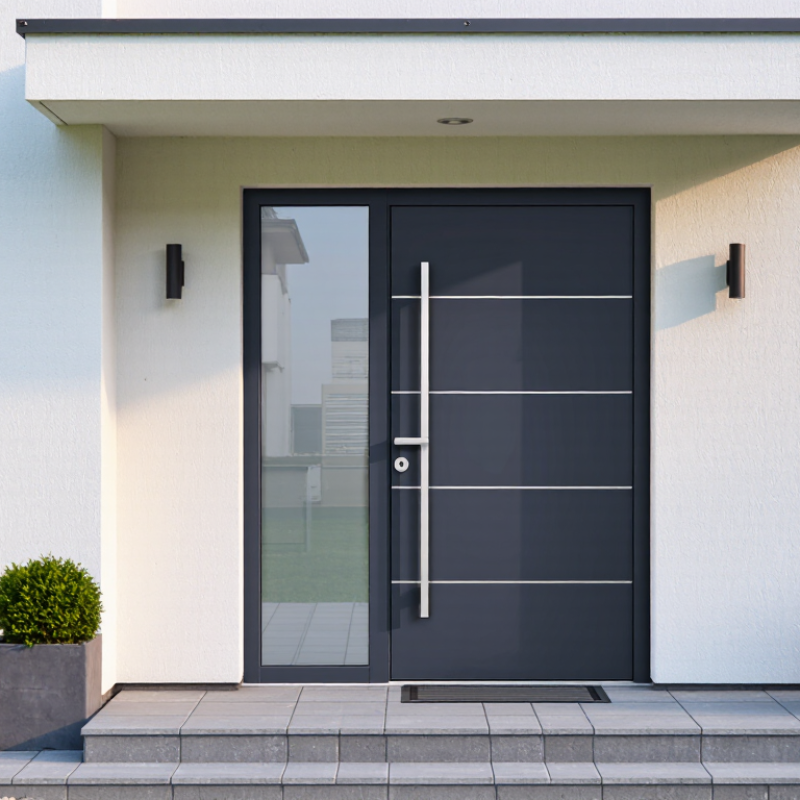
How to Choose the Best Aluminium Front Door?

Understanding Aluminium Front Door Materials and Construction

How to Choose the Best Aluminium Front Door?

Choosing an aluminium front door starts with its material build, not its colour or handle. Aluminium is strong, light, and resistant to rot, but quality varies widely. Ask whether the frame uses a thermal break. This insulating layer separates the inner and outer aluminium sections, reducing cold bridges and condensation. In winter, a well-designed frame feels less icy near the edges. That detail matters. Look for a durable powder-coated finish with an even surface and protected drainage paths. Tiny bubbles, sharp corners, or blocked channels suggest poor finishing. They are not cosmetic failures alone.

Construction quality is equally important. A rigid frame should meet tightly at the corners, while hinges must support the door’s weight without sagging. Check the seals around the perimeter. They should compress gently, like a continuous rubber cushion, rather than flatten immediately. Glazing also deserves attention. Double or triple glazing, warm-edge spacers, and secure beads can improve comfort and security. The threshold should limit rain entry while remaining practical for everyday access. On inspected projects, installation has often decided the final performance. Even an excellent door can leak air if the opening is uneven or the frame is poorly anchored. I once focused too much on panel thickness and overlooked the threshold detail. That was a useful mistake. Request clear specifications for aluminium grade, insulation values, drainage, hardware adjustment, and independent performance testing. Look beyond appearance. A door must work as a complete system.

Assessing Door Size, Style, Glazing, and Customisation Options

Choosing the best aluminium front door starts with accurate measurements. Record the structural opening, threshold height, wall depth, and swing direction. A few millimetres can affect installation, drainage, and security. Ask an experienced installer to check the opening before ordering. That step is often skipped.

Door size also controls visual balance. A narrow entrance may suit a tall, glazed panel, while a wide façade can carry a double-leaf design. Keep sightlines aligned with nearby windows.

Large glass areas bring daylight, but they also increase solar gain and privacy concerns. Energy Saving Trust estimates that around 10–20% of household heat can escape through windows. Use this as a warning, not a door-specific guarantee.

Low-emissivity glass, warm-edge spacers, and insulated panels can improve comfort. The U.S. Department of Energy states that low-e coatings can reduce window energy losses by 30–50% (Energy Saver, “Windows, Doors, and Skylights”).

Style and customisation should follow performance. Choose concealed drainage, quality seals, a durable threshold, and a tested locking system. Request the complete door U-value, not only the glass rating. Check whether the stated figure covers the frame, panel, and glazing together.

Side panels, frosted sections, textured glass, and unequal splits can create privacy without making the hallway gloomy.

Colour choices need practical thought too; dark finishes may show dust and scratches more clearly. Aluminium is strong, but poorly adjusted hardware can still create drafts. That detail matters.

A striking design can remain disappointing if installation is rushed.

Comparing Thermal Performance, Security, and Weather Resistance

How to Choose the Best Aluminium Front Door?

A well-made aluminium front door should keep indoor temperatures stable through changing seasons. Look for a thermally broken frame, where an insulating strip separates the inner and outer aluminium sections. This reduces heat transfer and helps limit condensation around the frame. Check the whole door’s U-value, not only the glass or panel. A lower U-value generally indicates better insulation, but test methods can differ. Ask for the declared standard and installation conditions.

Security depends on more than a heavy-looking slab. A multipoint locking system, reinforced hinges, and laminated security glass can improve resistance to forced entry. The cylinder should resist common attacks, while the frame must be firmly fixed into the surrounding wall. During a site inspection, I check whether the lock engages smoothly at several points. Small alignment problems often become larger after seasonal movement. No door is perfect.

Weather resistance needs equal attention. Compression seals should meet evenly around every edge, with no visible gaps at the corners. A properly designed threshold helps control driving rain, while drainage channels carry water away from the entrance. Ask for evidence from air-permeability, watertightness, and wind-load testing. Installation still matters greatly; even a tested door can leak if the sill is poorly sealed. I would also inspect the opening after heavy rain, because brochures cannot reveal every weakness.

Checking Hardware, Finishes, Maintenance Needs, and Durability

How to Choose the Best Aluminium Front Door?

Hardware deserves hands-on checking, not only a catalogue review.

Turn the handle several times. It should feel precise. Check hinge strength, cylinder protection, multipoint locking, and drainage around the threshold. The hardware should operate smoothly without forcing the door. In coastal areas, stainless-steel components usually resist corrosion better than ordinary plated parts. However, even good hardware can fail early when installation is poor or adjustment is ignored.

Finish quality affects appearance and service life.

The AAMA 2605 specification uses accelerated weathering and salt-spray testing for high-performance coatings. These tests are useful, but they cannot perfectly copy daily sunlight, grit, or coastal moisture. Salt air is unforgiving. Ask for the exact coating class, warranty conditions, and colour-retention evidence. European Aluminium’s Aluminium in Building research reports that aluminium building products can serve for around 60 years or longer when correctly specified and maintained. That figure should not become a promise for every door.

Maintenance is simple, but not optional.

Rinse exposed surfaces with clean water, especially after storms or winter gritting. Use a soft cloth and mild detergent; abrasive pads can damage the finish. Lubricate moving hardware according to the installer’s instructions, and inspect seals for flattening or gaps. I would also check the frame after heavy rain. A small threshold leak may reveal poor drainage, not a weak aluminium profile. The honest decision includes installation quality, local climate, repair access, and the cost of replacing hardware later.

Evaluating Installation Standards, Costs, Warranties, and Suppliers

Choosing the Best Aluminium Front Door: Installation Standards, Costs, Warranties, and Suppliers

A good aluminium door begins with a measured opening, not a catalogue image. The installer should check the wall structure, threshold height, drainage, and frame alignment. In the UK, replacement work should meet the relevant Building Regulations, while U-value and air-leakage figures should be supported by test evidence. The International Energy Agency reported that buildings used about 30% of global final energy in 2022. Small installation gaps therefore deserve serious attention. A premium frame cannot correct poor sealing.

Prices vary with glazing, thermal breaks, locks, colour, and access conditions. The 2024 Remodeling Cost vs. Value Report recorded a 188.1% cost recouped figure for an upscale entry-door replacement. That figure covers a different material, so it is not an aluminium price guide. Still, it shows why a low quote may be misleading. Ask for an itemised offer, including removal, making-good, delivery, and disposal. I would also request photographs from similar installations. Paper specifications can look perfect. Site workmanship may not.

A warranty should separate product defects from installation faults. Check its duration, exclusions, response time, and transfer conditions before paying a deposit. Suppliers should provide documented performance data, qualified installers, and a written maintenance schedule. The National Fenestration Rating Council explains that labels can show U-factor, solar heat gain, visible transmittance, and air leakage. Those figures help compare doors objectively. However, ratings do not guarantee a quiet, draught-free entrance. The frame, sealant, threshold, and surrounding masonry still matter. That is the part many quotes under-explain.

FAQS

How should I measure an opening for an aluminium front door?

Record the structural opening, threshold height, wall depth, and swing direction. A few millimetres matter. Ask an experienced installer to inspect the opening before ordering.

Which door size and style suit my entrance?

A narrow entrance may suit a tall glazed panel. A wider façade can carry a double-leaf design. Align the door’s sightlines with nearby windows for a calmer appearance.

Does more glass always improve a front door?

Large glass areas bring daylight, but they can increase heat gain and reduce privacy. Frosted, textured, or divided glass can soften these problems. A darker hallway may still need more light.

What thermal features should an aluminium door include?

Look for a thermally broken frame with an insulating strip between aluminium sections. Choose low-emissivity glass, warm-edge spacers, or insulated panels. Check the complete door U-value, including the frame and glazing.

How can I assess front-door security?

Look for multipoint locking, reinforced hinges, and laminated security glass. The cylinder should resist common attacks. The frame must be firmly fixed into the surrounding wall. A heavy door alone proves little.

How do I check weather resistance?

Compression seals should meet evenly around every edge. Inspect corners for visible gaps. A suitable threshold and drainage channels should move rain away from the entrance. Ask for air, water, and wind testing evidence.

What should installation include?

The installer should check wall structure, threshold height, drainage, and frame alignment. The sill must be sealed carefully. Even a tested door can leak after rushed installation. Rain reveals weaknesses.

How should I compare costs, warranties, and suppliers?

Request an itemised quote covering removal, delivery, disposal, and making-good work. Ask for photographs of similar completed installations. Review warranty duration, exclusions, response times, and transfer conditions. A low quote may hide important work.

Conclusion

Choosing the best Aluminium Front Door requires more than selecting an attractive design. Begin by understanding the material quality, frame construction, and overall build, as these factors influence strength, stability, and long-term performance. Consider the correct door size, opening direction, style, glazing options, colours, and other customisation choices to ensure the entrance suits both your property and practical needs.

Thermal insulation, security features, weather resistance, and reliable locking hardware should be carefully compared before making a decision. It is also important to review the finish, maintenance requirements, and expected durability, especially for doors exposed to changing weather conditions. Finally, confirm that the supplier follows professional installation standards and provides clear information about total costs, warranties, delivery, and after-sales support. A well-selected Aluminium Front Door should combine attractive appearance, energy efficiency, dependable security, and lasting value.

Oliver

Oliver

Oliver is a highly experienced marketing professional dedicated to helping customers understand the value, quality, and practical applications of our company’s products. With a strong background in market research, content strategy, customer communication, and product education, he combines......