A front door does more than frame an entrance. It faces rain, heat, wind, daily use, and the first impression of a home. For global buyers, choosing among manufacturers means looking beyond photographs and price lists. Construction, weather seals, hardware, finish options, and installation support all deserve close attention. Small details matter.
Building-science expert Joseph Lstiburek is often associated with the practical reminder, “Build tight, ventilate right.” That idea applies to front-door selection: a well-fitted door can help limit unwanted drafts, but the complete building still needs appropriate ventilation. Ask manufacturers about tested performance, available frame systems, and the conditions behind any ratings. Requirements and test methods differ between markets, so compare like with like.
This guide introduces ten front door manufacturers for international buyers, with attention to product range, customization, durability, and export readiness. A specification sheet can look convincing; the installed door may tell a different story. Fit matters. Check lead times, packaging, replacement-part availability, and after-sales support before placing an order. Not every supplier will suit every project. That is worth admitting. The strongest choice is not always the most elaborate door, but the one that matches the climate, building design, budget, and local installation expertise. That gap counts.
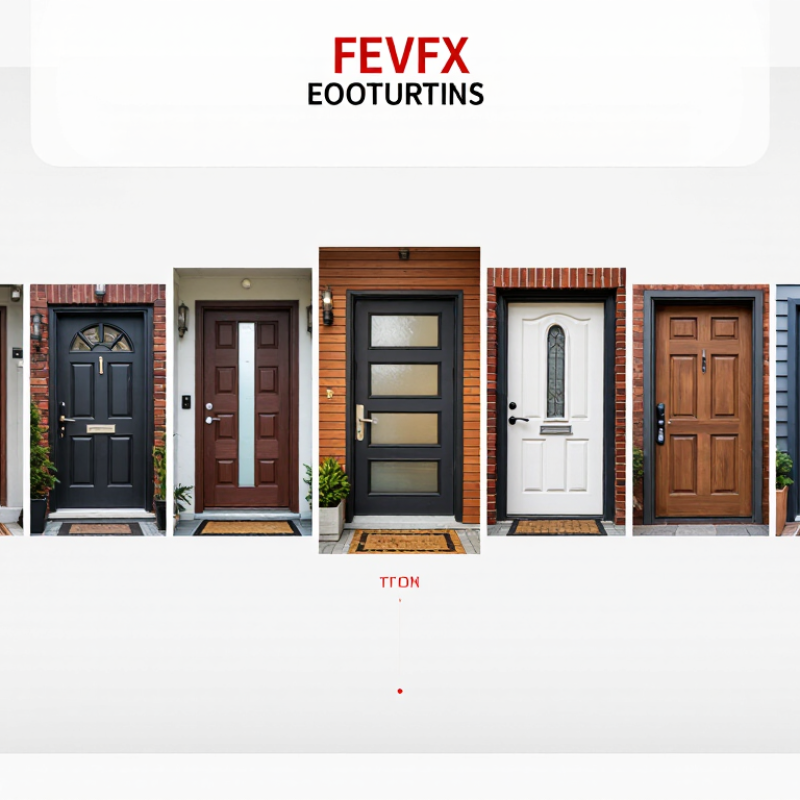
Front door manufacturers produce more than a door slab. Many supply frames, hinges, locks, weather seals, glazing, and matching sidelights. Common materials include timber, steel, fiberglass, and aluminum. Each brings trade-offs: timber offers a warm finish but needs regular care, while steel can dent if its coating is damaged. Factories may offer standard sizes, custom dimensions, different opening directions, and finishes suited to residential or commercial projects.
The markets they serve shape their product range. Manufacturers selling to cold regions may focus on insulated cores and tight weather seals. In humid or coastal areas, buyers often ask about moisture resistance and corrosion protection. Export suppliers may also provide packaging, installation guidance, and documents for local review. Details vary by project, so confirm performance figures and testing methods rather than relying on appearance alone. A polished sample can hide a poor fit or weak seal. That part is easy to miss.
Tips: Share the wall opening, climate, use, and finish requirements before requesting a quote. Ask for drawings, hardware details, and lead times. Check that the door and frame dimensions match; small differences can complicate installation.
Choosing a front door manufacturer for international supply requires more than comparing catalog photos. Ask what materials suit the destination’s climate: coastal humidity, intense sun, or repeated freeze-thaw cycles can affect finishes and movement. Details matter. Request specifications for core construction, frame, seals, hardware, and finish, then compare them with a physical sample. A sample may look excellent, but it cannot prove every production run will match.
Check documented performance, not broad claims. Ask for test reports covering relevant factors such as air leakage, water resistance, structural strength, and thermal performance. Verify that reports apply to the exact door configuration and target market; requirements differ by destination. Request quality-control records and ask how defects are logged and corrected. A factory visit or independent inspection can reveal processes that a polished presentation may not. Still, one inspection is only a snapshot.
For global orders, assess communication and delivery as carefully as product quality. A useful quotation identifies dimensions, tolerances, hardware, packaging, lead time, and shipping terms. Confirm how custom sizes are checked before production, and request clear installation instructions. Ask how the manufacturer handles transit damage, replacement parts, and warranty claims across borders. Responses matter. If answers stay vague, clarify them in writing before placing an order. Even careful buyers can overlook a small measurement difference, so agree on drawings and approval steps early.
Global buyers should compare manufacturers by materials, testing, customization, and export experience—not appearance alone. The ten profiles below highlight different production strengths, rather than naming individual companies.
Capabilities differ by product line. Ask for evidence.
Tips: Request a sample finish, written specifications, and test reports for the exact door model. Check how the frame, threshold, and seals fit together. A small gap can matter. Confirm packaging and replacement-part support before placing a large order. Even a polished catalogue leaves questions; compare details, not promises.
Choosing a front door manufacturer begins with matching materials to the building’s climate and use. Fiberglass resists moisture and needs little upkeep, while steel can provide a sturdy feel but may dent. Timber offers natural grain and repair options, yet needs regular attention in exposed locations. No material wins everywhere. Check how the frame, threshold, seals, and glazing work together, not just the door panel. Ask for test reports and certificates relevant to the destination market, and confirm their scope and validity with the issuing body. A certificate may cover one configuration, not every custom size.
Design choices affect both appearance and performance. A large glazed panel brings daylight into a dim entry, but the glass specification and privacy level matter. Recessed panels, narrow sidelights, and darker finishes can change the look without changing the basic opening. Customization may include unusual dimensions, hardware preparation, colors, and swing direction. Request a written specification and a physical finish sample; screen images can be misleading. Confirm packaging, lead times, installation clearances, and replacement-part availability before placing an order. Small details matter. Manufacturers do not always explain these limits clearly, so buyers should ask direct questions and compare like-for-like quotations. A low price can hide missing accessories or extra freight costs. Decide what matters most, then verify each claim in the product documents.
For global buyers, compare front door quotes on the same specification: material, dimensions, glazing, finish, hardware, packaging, and inspection. Ask for separate prices for samples, tooling, and export packing. Small details matter. Confirm whether the quoted amount covers inland transport, ocean freight, and insurance, and state the agreed Incoterm. UNCTAD’s Review of Maritime Transport 2024 describes how route disruptions can unsettle freight markets, so an old shipping estimate may not hold. Request a validity period and a clear process for price changes.
Tip: Ask manufacturers to split lead time into production, quality checks, port handling, and transit. Get it in writing. Compare realistic shipping windows, not just the fastest estimate. The World Bank’s 2023 Logistics Performance Index assessed 139 economies across six dimensions, including tracking and timeliness. Use these measures to ask specific questions about shipment visibility and delivery records at your destination.
A low unit price can lose its appeal when packaging is weak or production dates keep moving. Request recent lead-time ranges for comparable orders, plus photos of protective corner guards and moisture barriers. Check how defects are documented and resolved before the order ships. One imperfect point: forecasts are still forecasts. Keep a buffer for customs processing, port congestion, and local delivery, and avoid planning installation around a single promised arrival date.
| Supplier Profile | Typical Product Focus | Indicative FOB Price (USD per door set) | Typical Production Lead Time | Indicative Ocean Transit | Buyer Checks Before Ordering |
|---|---|---|---|---|---|
| China-based steel-door manufacturer | Insulated steel entry doors; standard and made-to-order sizes | $180–$650 | 25–45 days | About 25–45 days to North America; route-dependent | Confirm steel gauge, core insulation, corrosion protection, hardware, packaging, and applicable local fire or energy requirements. |
| China-based fiberglass-door manufacturer | Fiberglass skins with insulated cores; smooth or wood-grain finishes | $250–$900 | 30–55 days | About 25–45 days to North America; route-dependent | Request skin and core specifications, finish samples, frame details, water-infiltration data, and test reports for the target market. |
| China-based engineered-wood-door manufacturer | Engineered timber and veneer entry doors, often with custom finishes | $300–$1,200 | 30–60 days | About 25–45 days to North America; route-dependent | Check veneer species, substrate construction, moisture protection, finish durability, fumigation or wood-packaging requirements, and crate design. |
| Turkey-based steel-door manufacturer | Security-oriented steel doors and insulated residential entry systems | $250–$900 | 25–50 days | Roughly 7–20 days to many European ports; route-dependent | Verify locking configuration, cylinder compatibility, door handing, frame dimensions, test evidence, and the exact scope of hardware supplied. |
| Turkey-based timber-door manufacturer | Solid and engineered timber doors with traditional or contemporary detailing | $400–$1,600 | 30–65 days | Roughly 7–20 days to many European ports; route-dependent | Specify timber species, moisture content, exterior-grade finish, glazing, tolerances, and whether the quoted price includes the frame. |
| India-based hardwood-door manufacturer | Hardwood and carved timber entry doors; custom dimensions and designs | $350–$1,500 | 35–70 days | About 25–45 days to North America; route-dependent | Confirm botanical species and legal sourcing documentation, kiln-drying details, finish system, packing method, and import restrictions. |
| Vietnam-based timber-door manufacturer | Engineered and solid-wood doors for residential projects | $300–$1,300 | 30–60 days | About 20–40 days to North America; route-dependent | Request material traceability, moisture-control procedures, finish samples, production capacity, and a pre-shipment inspection plan. |
| Indonesia-based hardwood-door manufacturer | Decorative hardwood and custom timber entry doors | $400–$1,800 | 35–70 days | About 25–45 days to North America; route-dependent | Check species legality and export documents, dimensional stability, exterior exposure rating, crate protection, and replacement-part availability. |
| European-based premium timber-door manufacturer | High-specification timber doors, custom glazing, and architectural finishes | $800–$3,000+ | 45–90 days | Roughly 12–30 days to North America; route-dependent | Compare thermal and weather-performance test data, glazing options, finish warranty, custom-design charges, and delivery terms. |
| North American-based fiberglass or steel-door manufacturer | Residential prehung entry systems designed around regional building practices | $350–$1,500 | 20–60 days | Domestic freight commonly replaces ocean shipping; export timing varies | Confirm whether the quote is for a slab or prehung unit, local code documentation, handing, threshold, hardware, and export packing if applicable. |
Pricing and timing note: These are indicative market-planning ranges for comparison, not verified quotes or company-specific data. Prices vary with size, material, glazing, finish, hardware, order quantity, and Incoterms; they generally exclude duties, taxes, installation, and destination charges. Production lead times begin after approved drawings and deposit. Ocean transit estimates vary by route, sailing schedule, port congestion, and customs clearance. Request a dated quotation, packing list, product specifications, and destination-specific compliance documents before placing an order.
Many provide the door, frame, hinges, locks, weather seals, glazing, and matching sidelights. Some offer custom sizes and finishes.
Fiberglass resists moisture and needs little upkeep. Timber has natural grain but needs regular care. Steel feels sturdy, yet its surface can dent. No material wins everywhere.
Provide the wall opening, climate, intended use, finish, and door swing direction. Ask for drawings, hardware details, and lead times.
Request test reports for the exact model and configuration. Confirm their scope with the issuing body. A certificate may not cover custom sizes.
Glazing can bring daylight into a dim entry. Check the glass specification and privacy level. A clear sample may look different at home.
Options can include unusual dimensions, colors, panel styles, hardware preparation, and opening direction. Confirm each choice in writing.
Compare matching specifications, including frames, thresholds, seals, accessories, packaging, and freight. A low price may leave out important details. Small gaps matter.
Check packaging, delivery timing, installation guidance, and replacement-part availability. Verify that door and frame dimensions match. I might be over-focusing on measurements, but installation problems often start there.
Choosing the right Front Door manufacturer involves more than comparing appearance or price. Manufacturers may serve residential, commercial, or regional markets, producing doors from materials such as wood, steel, fiberglass, or aluminum. Global buyers can evaluate potential suppliers by considering product quality, design options, relevant certifications, customization capabilities, and experience serving international customers. These factors help determine whether a manufacturer can meet a project’s functional, aesthetic, and performance requirements.
A careful comparison should also account for pricing, minimum order quantities, production capacity, and lead times. Buyers should clarify shipping arrangements, packaging, delivery responsibilities, and the support available if products arrive damaged or do not match specifications. By assessing these details alongside materials and design choices, buyers can make more informed decisions and select a manufacturer whose products, service, and logistics align with their project needs.