Choosing the best Aluminum Residential Door in 2026 means looking beyond color and curb appeal. A door should suit the home, local weather, and daily use. It should also feel solid, close smoothly, and fit the opening correctly. Small differences matter.
An aluminum door can offer a clean appearance and resist routine moisture, but performance depends on its design, finish, hardware, and installation. No material is perfect. In very hot or cold conditions, thermal breaks and well-sealed frames can affect comfort, so check the product specifications rather than relying on broad claims. A door exposed to strong sun may also need a finish selected for that setting.
This guide compares the features that help homeowners make a practical choice. It looks at frame construction, glazing, insulation, security hardware, maintenance, and overall value. Look closely. Ask manufacturers or installers about warranties, tested performance, and which options suit your climate. Their answers should be specific, not vague promises. Consider the full installed cost, too, since preparation and fitting can change the budget. A sleek door that sticks, leaks air, or demands frequent upkeep may disappoint, even if it looked ideal in a showroom. The best choice is the one that balances appearance with reliable everyday performance—and fits the home’s actual needs.
What Is an Aluminum Residential Door?
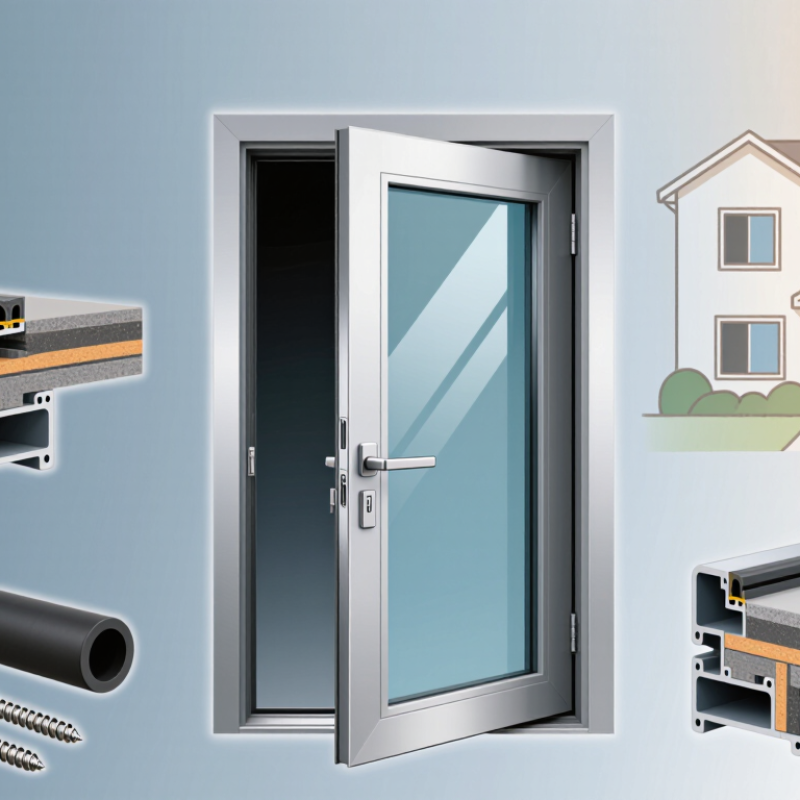
An aluminum residential door is an exterior or interior door built around an aluminum frame, often paired with glass, insulated panels, or both. The frame holds the door’s structure and supports hinges, locks, and weather seals. Aluminum is lightweight, resists rust, and can be shaped into narrow profiles that admit more daylight. The door may have a painted or anodized finish, with different colors and textures available.
Many exterior models include a thermal break, a nonconductive layer between the frame’s inner and outer sections. This helps reduce heat transfer, though the whole door’s insulation also depends on its glass, panel, seals, and installation. It can help. Check the stated U-factor and air-leakage information rather than judging performance by appearance alone. A sturdy frame cannot compensate for gaps around the jamb.
The right choice depends on climate, exposure, and how the opening is used. In wet or salty environments, ask about finish durability and maintenance. Inspect corners, seals, and the threshold; small flaws can invite drafts or water. A careful installation matters as much as the material. Aluminum can feel cool to the touch, and it is not automatically the most energy-efficient option. That detail is easy to overlook.
What Is the Best Aluminum Residential Door in 2026? – What Is an Aluminum Residential Door?
An aluminum residential door uses aluminum for some or all of its door frame and panels. The best choice depends on climate, exposure, security needs, glazing, and installation quality—not just the frame material.
| Door type | Typical construction | Thermal performance | Main strengths | Trade-offs | Best suited for | What to check before buying |
|---|---|---|---|---|---|---|
| Thermally broken, insulated aluminum door | Aluminum frame sections separated by a non-metallic thermal barrier; insulated panel or compatible glazing. | Generally a stronger choice for reducing heat transfer than a comparable non-thermally broken frame. Whole-door performance varies by panel, glass, seals, and design. | Good balance of durability, design flexibility, and improved thermal separation. | Usually costs more than a basic non-thermally broken door; performance depends on the complete door assembly. | Best all-around starting point for many homes, especially where energy efficiency matters. | Ask for the whole-door U-factor and air-leakage results, not just the frame specification. Confirm the thermal break and weatherstripping details. |
| Thermally broken aluminum-glass door | Thermally broken aluminum frame with one or more glazed panels. | Depends heavily on the glass package. Multiple panes, low-emissivity coatings, and gas-filled cavities can improve insulating performance compared with basic single glazing. | Allows daylight and clear views; aluminum supports slim frame profiles. | More glass can increase heat gain, heat loss, glare, and privacy concerns if the glazing is not selected for the site. | Entries where daylight, views, or a contemporary appearance are priorities. | Check the whole-door U-factor and solar heat gain coefficient (SHGC), glazing safety requirements, and privacy options. |
| Non-thermally broken aluminum door | Aluminum frame sections without an insulating thermal barrier. | Aluminum conducts heat readily, so this construction can transfer more heat through the frame than a comparable thermally broken design. | Often a simpler, lighter option; suitable where thermal separation is not a key requirement. | May be less comfortable in extreme temperatures and can be more prone to interior condensation in cold conditions. | Mild climates, interior separations, or locations where energy performance is a lower priority. | Confirm whether the door is intended for exterior residential use and review its tested air and water performance. |
| Insulated aluminum-panel door | Aluminum faces or panels combined with an insulating core; frame design may be thermally broken or non-thermally broken. | Can provide a more insulated, less transparent option than a mostly glazed door. The frame and edge details still affect overall performance. | More privacy than a fully glazed design; available in solid or partially glazed configurations. | Actual insulation varies by core, panel thickness, frame, and construction quality. | Side entries, utility areas, and homes that prioritize privacy or a solid appearance. | Ask for the complete door’s performance data and confirm that the panel, frame, and perimeter seals are designed as one system. |
| Aluminum storm door | Secondary aluminum door installed in front of an existing exterior entry door; commonly fitted with glass, a screen, or interchangeable panels. | Adds an extra layer, but the benefit depends on fit, seals, ventilation, and the existing door. It is not a substitute for a well-performing primary door. | Can provide a screen option, weather protection, and an additional barrier at the entry. | Requires space and compatible hardware; a poorly fitted unit may leak air or trap heat between doors. | Homes seeking a screen option or added protection for an existing entry. | Check compatibility with the existing door, clearances, ventilation, hardware, and manufacturer installation instructions. |
How to compare: A lower whole-door U-factor indicates less heat transfer. Ratings depend on the complete tested configuration, including frame, panel, glass, and seals. Verify current test documentation, local code requirements, finish suitability, hardware, warranty, and professional installation details before choosing.
FAQS
Look for a thermally broken frame, reliable weather seals, and sturdy hinges. Ask for tested air-leakage and water-resistance figures. Details matter.
It separates the frame’s inner and outer aluminum surfaces. This can reduce heat transfer and help limit chilly spots near the door.
Look for continuous perimeter seals, a well-designed sill, and clear drainage paths. Ask how the door performed in water-resistance tests.
No. A thicker profile may add cost without fixing poor installation or weak sealing. I might still compare samples before deciding.
Measure in several places because older walls may not be square. Check frame depth, swing direction, and nearby furniture clearance.
Clear glass brings in daylight but may reduce privacy. Low-emissivity or insulated glazing can help manage heat, depending on climate and sun exposure.
Check the lock, hinges, and seals. Multi-point locking can help a tall door close evenly, but accurate installation matters. Not by itself.
Ask who measures and installs the door, and whether later adjustments are covered. Check cleaning instructions and replacement-part availability; I could easily overlook those.
Conclusion
Choosing the best Aluminum Residential Door in 2026 starts with understanding how it fits a home’s design, climate, and daily use. Aluminum doors are valued for their lightweight strength and clean appearance, and they come in options such as entry, sliding, patio, and folding doors. The right type depends on the opening, available space, desired natural light, and how the door connects indoor and outdoor areas.
To compare options, homeowners should consider insulation, weather resistance, security features, maintenance needs, and long-term durability—not appearance alone. Look for suitable thermal breaks, effective seals, sturdy frames, and dependable locking hardware, while checking that glazing and finishes meet the home’s needs. The best choice balances comfort, safety, function, and style within a realistic budget. By comparing specifications and considering local climate and installation conditions, homeowners can select an aluminum door that performs well and complements their home for years.